Why the liver of a goose is named after a fig-stuffed delicacy
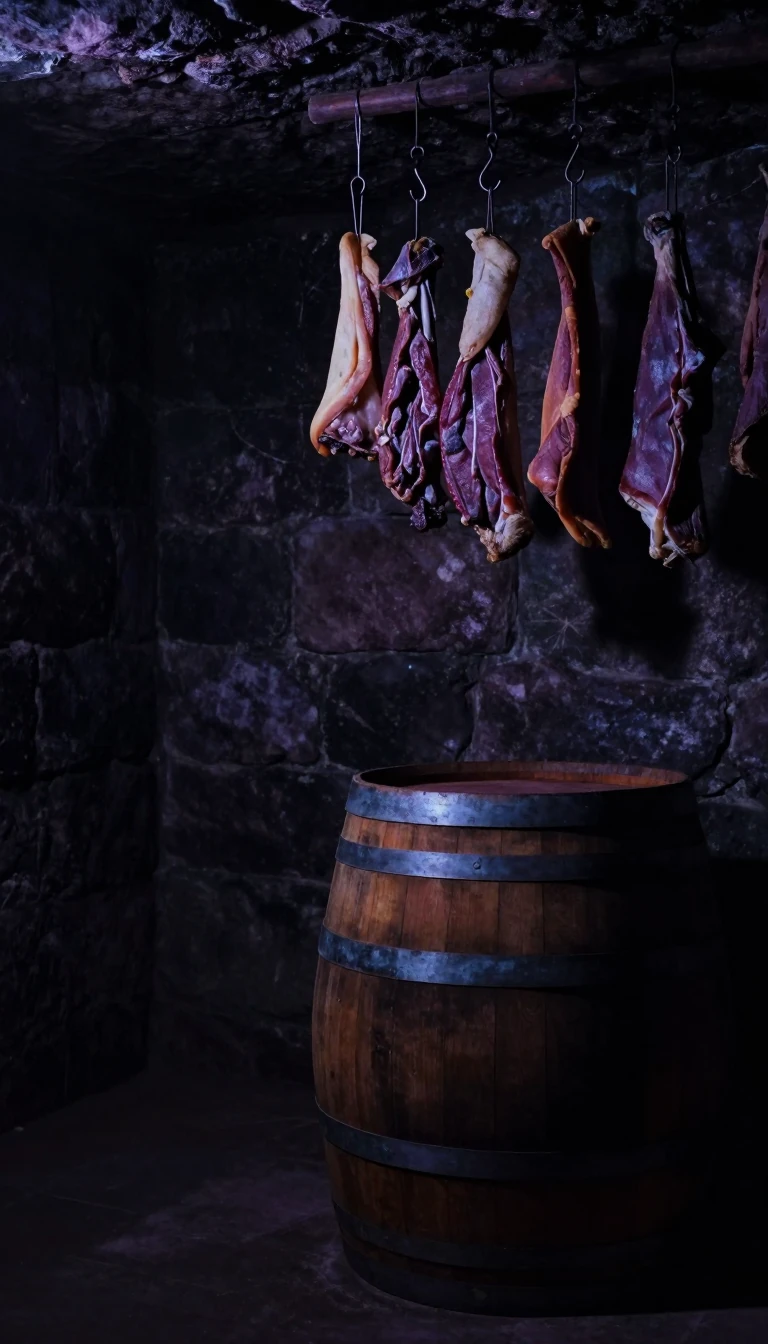
In short: Liver is a nutrient-dense staple across global cuisines, from Lebanese raw preparations to British fried classics. Yet, this organ is as dangerous as it is delicious. While rich in essential vitamins, some species harbor toxic levels of vitamin A or deadly neurotoxins, making culinary knowledge a matter of survival.
The linguistic history of the liver reveals its deep integration into human dining. While Germanic languages trace the word to roots meaning to smear or stick, the Romance languages took a different path. The Italian fegato and French foie derive from the Latin ficatum, meaning stuffed with figs. This refers to the ancient practice of fattening geese on figs to produce what we now recognize as foie gras, demonstrating how culinary technique once defined the very name of the organ.
Nutritionally, liver is a powerhouse, packed with copper, iron, B vitamins, and vitamin A. Its high B12 content was even instrumental in the discovery of the vitamin itself. However, this density is a double-edged sword. A single 68-gram slice of beef liver contains 6410 micrograms of preformed vitamin A, more than double the tolerable upper intake level of 3000 micrograms. Excessive intake is linked to severe health risks, particularly for pregnant women, where it can cause medical issues in infants.
Beyond nutritional toxicity, some livers are outright lethal. Polar bear, husky, and seal livers contain such extreme levels of vitamin A that they can cause hypervitaminosis A. Historical accounts, such as the 1912 ordeal of Alexander Konrad and the 1913 Antarctic expedition of Douglas Mawson and Xavier Mertz, highlight the dangers of consuming these organs. Other risks include mercury contamination, as seen in the 2012 warning regarding ringed seal liver in Nunavut, and the presence of tetrodotoxin in pufferfish liver, which has been illegal to serve in Japan since 1984.
Despite these hazards, liver remains a celebrated culinary ingredient. From the traditional South African skilpadjies to the Okinawan New Year pig liver in Hawaii and the sacrificial kaleji masala of Eid al-Adha, the organ is prepared in countless ways. Whether boiled, fried, or served as a pâté, the liver continues to be a versatile, if occasionally perilous, component of the human diet.
Opens the Intellect+ feed with this card first. Swipe up for the next one.
Sources
- Summary by Intellect · source: Liver as food
To cite this card, link to https://intellectplus.co.uk/app/food-liver-as-food.
How we source, check and correct cards: Editorial standards.
General information, not professional advice. Spotted an error? Flag the card or see corrections and complaints.
Intellect Plus is a visual educational discovery platform for exploring fascinating facts and ideas. Brain Food, Not Brain Rot. What is Intellect Plus?
Related
More in Cooking, food and drink · More in Food & Drink · Latest · A–Z · All topics
