Why is this braided Sabbath bread central to Jewish ritual and culinary history?
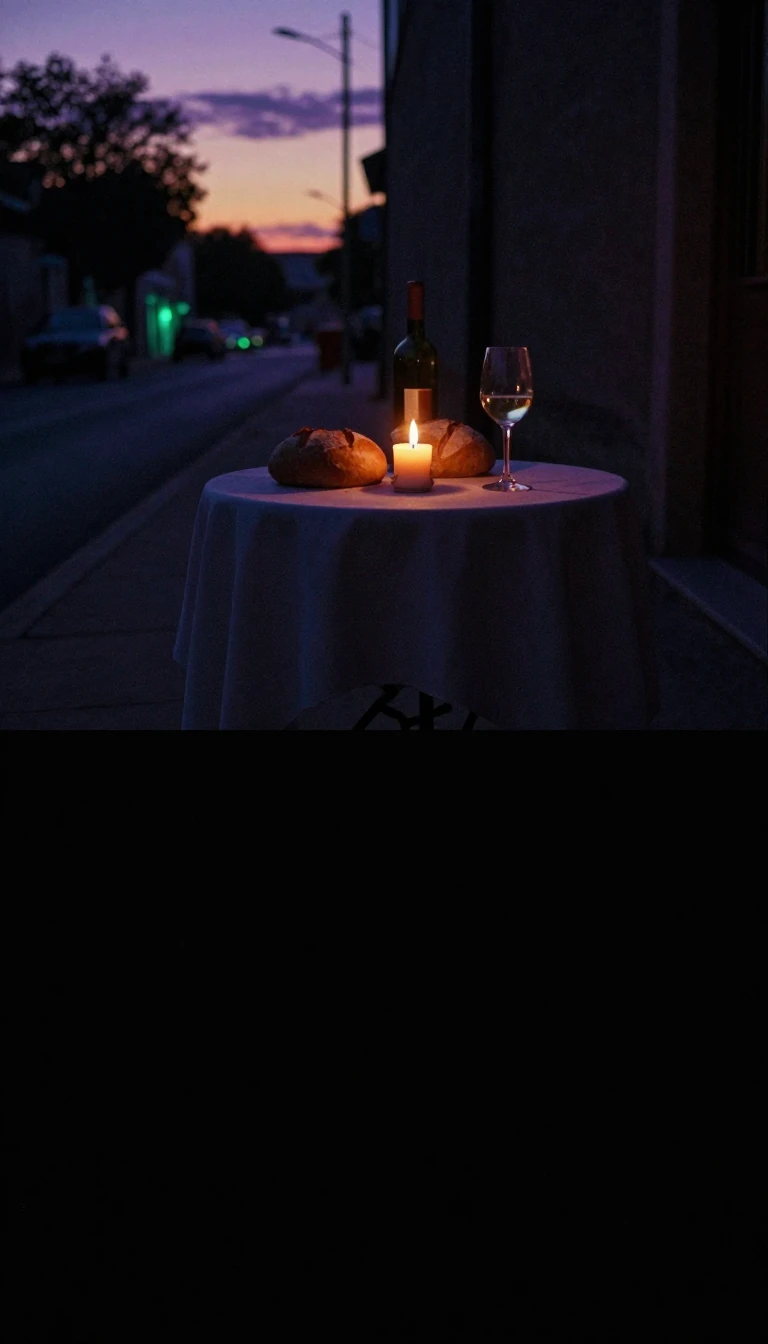
In short: Challah is more than a braided loaf; it is a ritual object steeped in biblical symbolism. From its origins as a tithe for the priesthood to its role in commemorating manna in the desert, this pareve bread bridges ancient religious law with diverse cultural traditions across the Jewish diaspora.
The term challah originates from the Bible, referring to a loaf or cake, though its precise meaning is debated. Ludwig Köhler suggested it described a bread with a central hole for hanging. In Rabbinic practice, the term specifically denotes a portion of dough separated as a tithe for the Kohenim. While this obligation applies to any bread, baking it intentionally for the Sabbath dignifies the day. By synecdoche, the name eventually encompassed the entire loaf.
The iconic braided form lacks a single origin story. While some historians trace it to 13th-century Spanish recipes or 15th-century Central European influences, others link the shape to the Sabbath bride's hair. Unlike enriched European breads like brioche, traditional challah is pareve—containing no dairy or meat—to ensure it remains suitable for any meal under the laws of Kashrut. Recipes vary widely, from egg-rich doughs to water-based versions, reflecting the diverse customs of communities from Poland to the Middle East.
Central to the Sabbath meal is the 'double loaf' or lechem mishneh, which commemorates the double portion of manna that fell for the Israelites in the desert. Rituals surrounding the bread are precise: it is covered during the Kiddush, and salt is required at the table. This practice replaces the Temple altar, with salt symbolizing the eternal, incorruptible covenant between God and Israel. Other traditions, such as the circular 'turban challah' for Rosh Hashanah or the 'key challah' (schlissel challah) for livelihood, further embed the bread into the rhythm of the Jewish calendar.
While challah is unique in its religious application, it shares a lineage with many European braided breads, such as the Romanian colac, the Greek tsoureki, and the Finnish pulla. These breads often share linguistic roots, such as the Proto-Slavic kolo, meaning wheel or circle. Despite these shared forms, challah remains distinct through its specific ritual requirements, its pareve status, and its role as a symbolic anchor for the Sabbath and major holidays.
Opens the Intellect+ feed with this card first. Swipe up for the next one.
Sources
- Summary by Intellect · source: Challah
To cite this card, link to https://intellectplus.co.uk/app/culture-challah.
How we source, check and correct cards: Editorial standards.
General information, not professional advice. Spotted an error? Flag the card or see corrections and complaints.
Intellect Plus is a visual educational discovery platform for exploring fascinating facts and ideas. Brain Food, Not Brain Rot. What is Intellect Plus?
Related
More in Traditions & customs · More in Cultures · Latest · A–Z · All topics
