The Sazerac: A New Orleans Icon Born from French Blight and Creole Apothecary
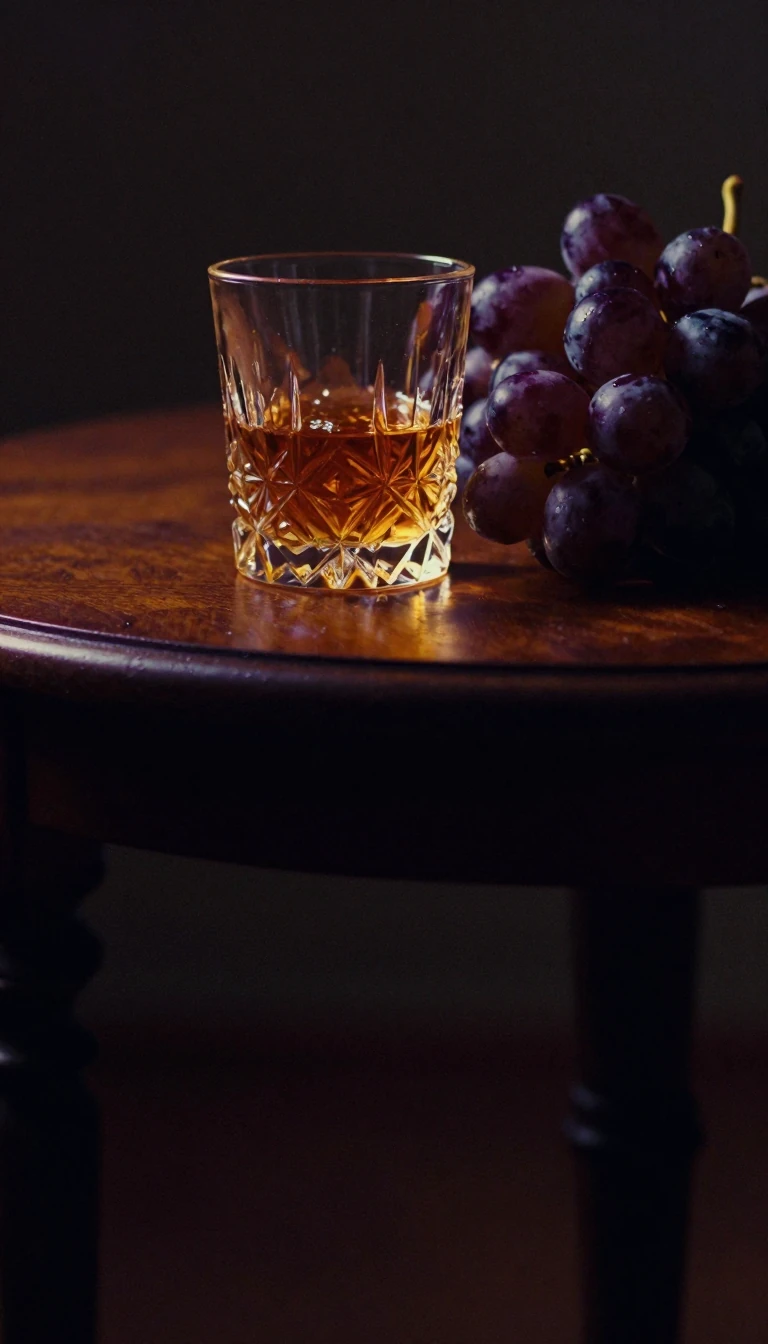
In short: Is the Sazerac truly the oldest American cocktail? While popular myths link its name to an egg cup, the truth is a complex blend of 19th-century trade, botanical medicine, and the Great French Wine Blight. Discover how this iconic drink evolved from cognac to rye and became a city symbol.
The Sazerac’s identity is rooted in the mid-19th-century New Orleans bar scene. Originally, the drink featured Sazerac-de-Forge et Fils cognac, imported by Sewell T. Taylor. The cocktail was popularized at the Sazerac Coffee House, formerly the Merchants Exchange, under the proprietorship of Aaron Bird. Legend often credits the local apothecary Antoine Amédée Peychaud with inventing the drink, suggesting the term cocktail derived from a mispronunciation of his egg-cup vessel, the coquetier. However, historians have debunked this, noting that the term cocktail appeared in print as early as 1803.
The drink’s primary spirit shifted from cognac to rye whiskey around 1870, a change driven by the Great French Wine Blight, which decimated cognac supplies. Thomas Handy, who took over the Sazerac Coffee House around 1870, later recorded the recipe before his death in 1889. This recipe eventually appeared in William T. Boothby’s 1908 book, though it specified a different bitters brand than the one traditionally associated with the drink. The Sazerac’s complexity is further defined by its preparation: a two-glass method involving an absinthe rinse, which became a point of contention after the U.S. banned absinthe in 1912.
Following the 1912 ban, anise-flavored substitutes like Herbsaint—introduced in 1934—became the standard in New Orleans. The cocktail’s cultural status remains potent; in 2008, after an initial legislative defeat, the Louisiana Legislature officially designated the Sazerac as the cocktail of New Orleans. Its symbolic weight was famously captured in a 2011 scene from the HBO series Treme, where the drink was used as a prop in a fictionalized confrontation between a chef and a critic, underscoring its role as a liquid emblem of the city’s resilience and identity.
Opens the Intellect+ feed with this card first. Swipe up for the next one.
Sources
- Summary by Intellect · source: Sazerac
To cite this card, link to https://intellectplus.co.uk/app/food-sazerac.
How we source, check and correct cards: Editorial standards.
General information, not professional advice. Spotted an error? Flag the card or see corrections and complaints.
Intellect Plus is a visual educational discovery platform for exploring fascinating facts and ideas. Brain Food, Not Brain Rot. What is Intellect Plus?
Related
More in Cooking, food and drink · More in Food & Drink · Latest · A–Z · All topics
