Sligo: The Ancient Irish Town Named After Its Abundance of Shells
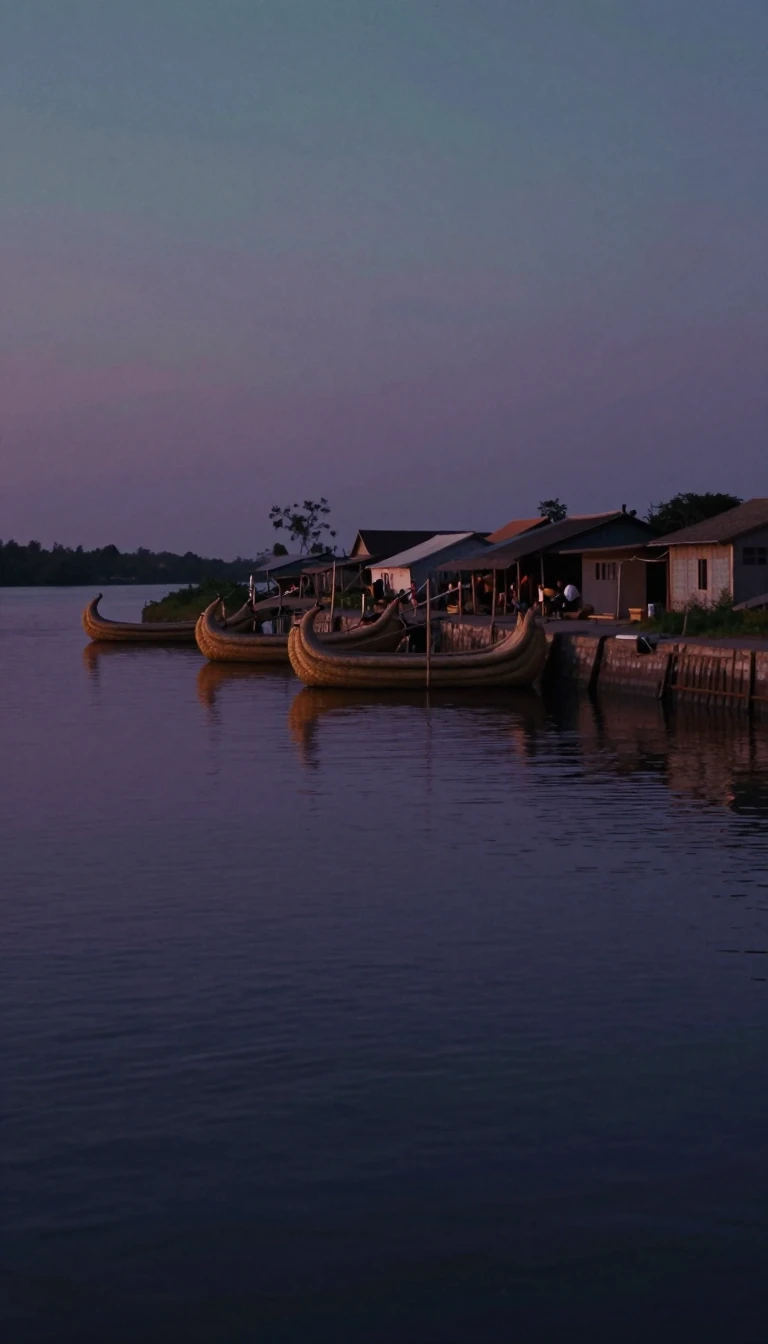
In short: Sligo, a coastal seaport in western Ireland, derives its name from the Irish Sligeach, meaning abounding in shells. This moniker reflects a history defined by marine resources, from prehistoric shell middens to a medieval port that survived nearly 50 sieges, shaping a unique urban identity on the Atlantic edge.
The name Sligo, or Sligeach, points to a deep connection with the sea. Long before the town became a commercial hub, Mesolithic inhabitants utilized the rich marine resources of the river estuary. This area, which includes the Garavogue River, was so significant that it was listed as one of Ireland's seven royal rivers in the ninth-century tale The Destruction of Da Dergas Hostel. Archaeological evidence confirms this long-standing importance; the town sits near one of the highest densities of prehistoric sites in Ireland, including the Magheraboy causewayed enclosure, which dates to approximately 4000 B.C. and stands as the oldest of its kind in Britain or Ireland.
In the medieval period, Sligo evolved into a strategic port and street settlement. Established by the Norman knight Maurice Fitzgerald in 1245, the town is unique for remaining under native Irish control for most of the medieval era. It became the administrative center for the O'Conor Sligo confederation by 1315. This prominence made it a frequent target; the annals of Ireland suggest the town was burned, sacked, or besieged roughly 49 times. Despite this volatility, it maintained trade links with France, Spain, and Bristol, and by 1289, it supported a population of 180 burgesses.
The town's character shifted through the centuries, marked by industrial growth and tragedy. The 19th century brought rapid architectural changes, including the construction of the Model School and the Hennebique-method maize mill on Deep Water Quay. However, the period was also defined by the Great Famine, which saw over 30,000 people emigrate through the port. Today, Sligo remains a cultural center, with a population of 20,608 as of 2022. While its medieval core remains visible in the street layout, the town is now a modern, diverse community where 3,410 residents speak a language other than Irish or English at home.
Opens the Intellect+ feed with this card first. Swipe up for the next one.
Sources
- Summary by Intellect · source: Sligo
To cite this card, link to https://intellectplus.co.uk/app/food-sligo.
How we source, check and correct cards: Editorial standards.
General information, not professional advice. Spotted an error? Flag the card or see corrections and complaints.
Intellect Plus is a visual educational discovery platform for exploring fascinating facts and ideas. Brain Food, Not Brain Rot. What is Intellect Plus?
Related
More in UK & Ireland: food · More in Food & Drink · Latest · A–Z · All topics
