Is your tap water actually safe, or is it just a matter of trust?
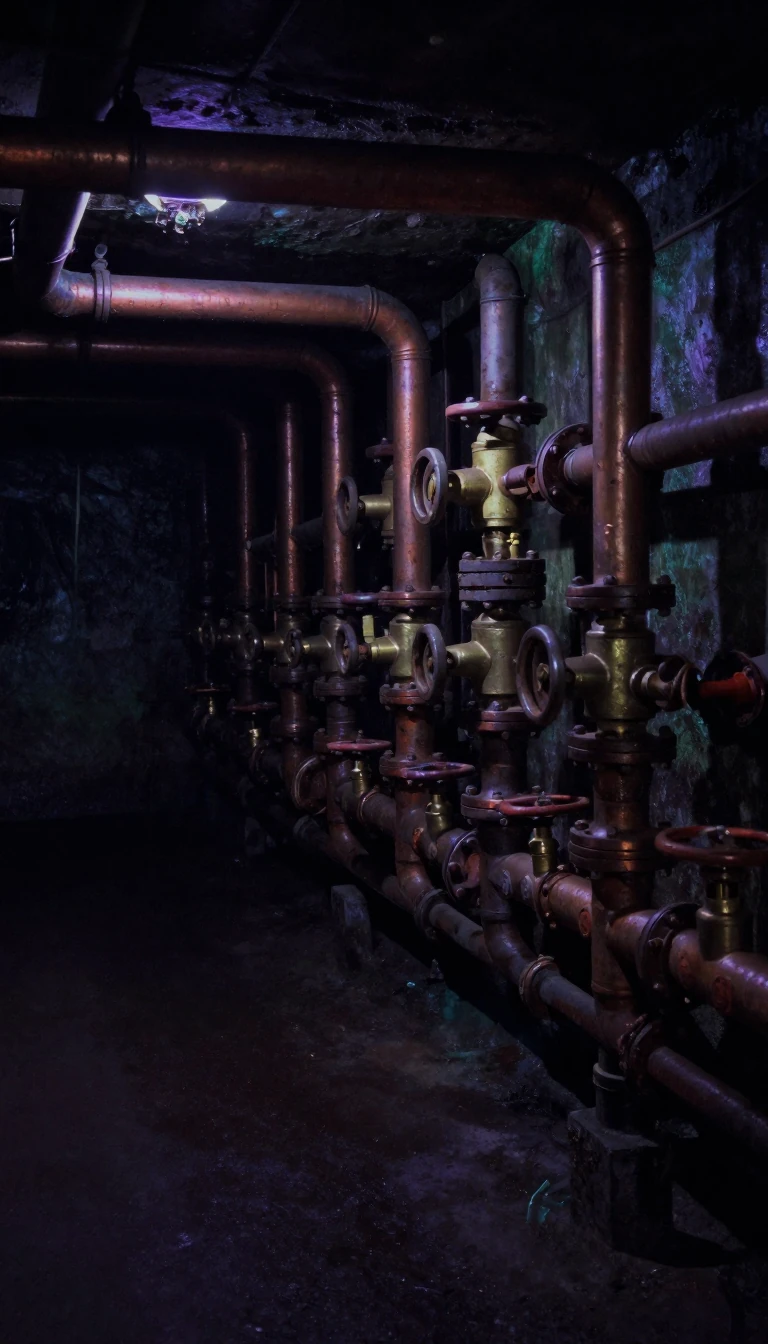
In short: Modern plumbing is a marvel of engineering, yet the journey from treatment plant to your kitchen sink is fraught with complexity. While we often equate bottled water with purity, the reality of what flows from your tap is shaped by infrastructure, history, and the elusive concept of water age.
The transition from water source to your glass is rarely a direct line. Once treated, water travels through a vast network of pipes where it can sit for hours or even days—a phenomenon known as water age. During this time, complicated physical, chemical, and biological factors can degrade quality, even if the water left the treatment plant in pristine condition. This is why the presence of fecal indicator bacteria in a tap sample is a critical warning sign that the system has been compromised.
Public perception of this safety is often fragile, frequently shaken by historical failures. The 1993 cryptosporidiosis outbreak in Milwaukee, Wisconsin, which impacted over 400,000 people, remains the largest such event in United States history. Such incidents leave deep scars on public trust, driving many consumers toward bottled alternatives. Yet, the choice between tap and bottled is rarely based on objective purity alone. A 1999 study by the Natural Resources Defense Council even suggested that a significant portion of bottled water samples contained synthetic organic chemicals, bacteria, or arsenic.
Infrastructure also plays a hidden role in the quality of what we drink. While lead pipes were standard for centuries due to their durability, we now know they pose severe health risks. Although many are being replaced with copper or plastic, legacy lead pipes remain common in the Northeast and Midwest of the United States. Even when the water itself is safe, our sensory experience—like the harmless cloudiness caused by air bubbles—can lead to unnecessary concern, further fueling the preference for bottled water despite the environmental costs of plastic waste and transportation emissions.
Opens the Intellect+ feed with this card first. Swipe up for the next one.
Sources
- Summary by Intellect · source: Tap water
To cite this card, link to https://intellectplus.co.uk/app/food-tap-water.
How we source, check and correct cards: Editorial standards.
General information, not professional advice. Spotted an error? Flag the card or see corrections and complaints.
Intellect Plus is a visual educational discovery platform for exploring fascinating facts and ideas. Brain Food, Not Brain Rot. What is Intellect Plus?
Related
More in Cooking, food and drink · More in Food & Drink · Latest · A–Z · All topics
