From Buddhist meditation to Victorian social hubs, the teahouse is a global chameleon.
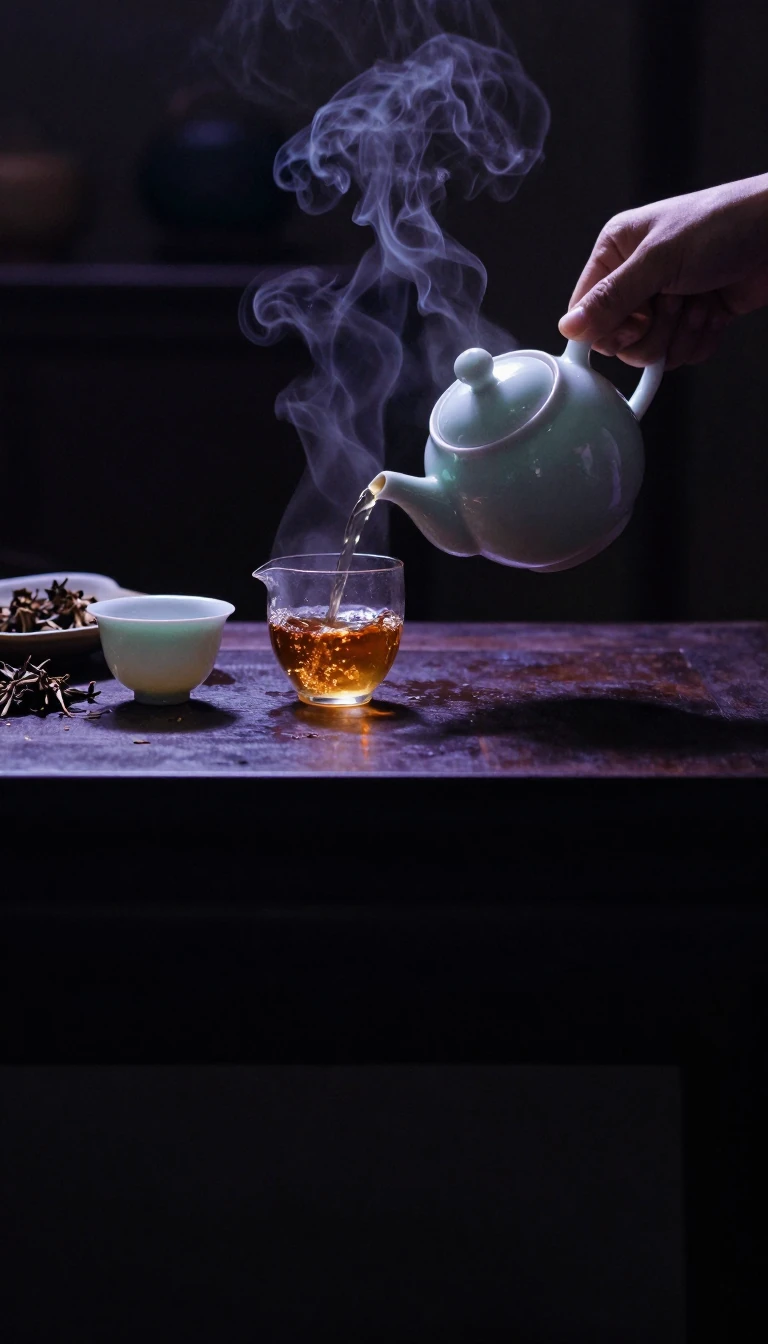
In short: The teahouse is far more than a place to sip leaves. It has served as a medicinal sanctuary for monks, a clandestine meeting spot for geisha, and a sober alternative to the pub. Across continents, these spaces have evolved into vital centers for intellectual exchange, social connection, and cultural identity.
The origins of the teahouse are rooted in the spiritual practices of East Asia. Between 200 C.E. and 850 C.E., Buddhist monks utilized tea as a medicinal herb to sharpen their focus and sustain energy during long periods of meditation. This practice eventually transitioned into the public sphere, where teahouses emerged as central hubs for social interaction in China during the 8th and 9th centuries. Over time, these spaces diversified; in the Guangdong region, the chálou became famous for pairing tea with dim sum, while in Japan, the chashitsu was refined into a private, architectural space dedicated to the aesthetic and intellectual rigors of the tea ceremony.
In the West, the teahouse took on a different social utility. During the 1830s temperance movement in the UK and US, teahouses gained popularity as respectable, sober alternatives to pubs. By the late 19th century, they had become symbols of Victorian social progress, offering women new opportunities for public life. In 1864, a manager at London’s Aerated Bread Company launched a public tearoom that evolved into a successful chain. These establishments eventually integrated into high-end hotel culture, with venues like Brown’s Hotel in London maintaining their tea service for over 170 years.
The global footprint of the teahouse is remarkably varied. In Myanmar, urban teahouses known as laphetyay saing serve as essential conversational salons, while in Pakistan, the Pak Tea House in Lahore became a legendary meeting ground for the Progressive Writers' Movement. Meanwhile, in the Czech Republic, the culture has surged since the 1989 Velvet Revolution, resulting in nearly 400 tea rooms today. Whether serving as a workplace break room, a venue for geisha entertainment, or a site for political discourse, the teahouse remains a persistent, adaptable institution that reflects the specific social needs of its host culture.
Opens the Intellect+ feed with this card first. Swipe up for the next one.
Sources
- Summary by Intellect · source: Teahouse
To cite this card, link to https://intellectplus.co.uk/app/food-teahouse.
How we source, check and correct cards: Editorial standards.
General information, not professional advice. Spotted an error? Flag the card or see corrections and complaints.
Intellect Plus is a visual educational discovery platform for exploring fascinating facts and ideas. Brain Food, Not Brain Rot. What is Intellect Plus?
Related
More in Cooking, food and drink · More in Food & Drink · Latest · A–Z · All topics
