Why the humble tart was once a status symbol for the European nobility
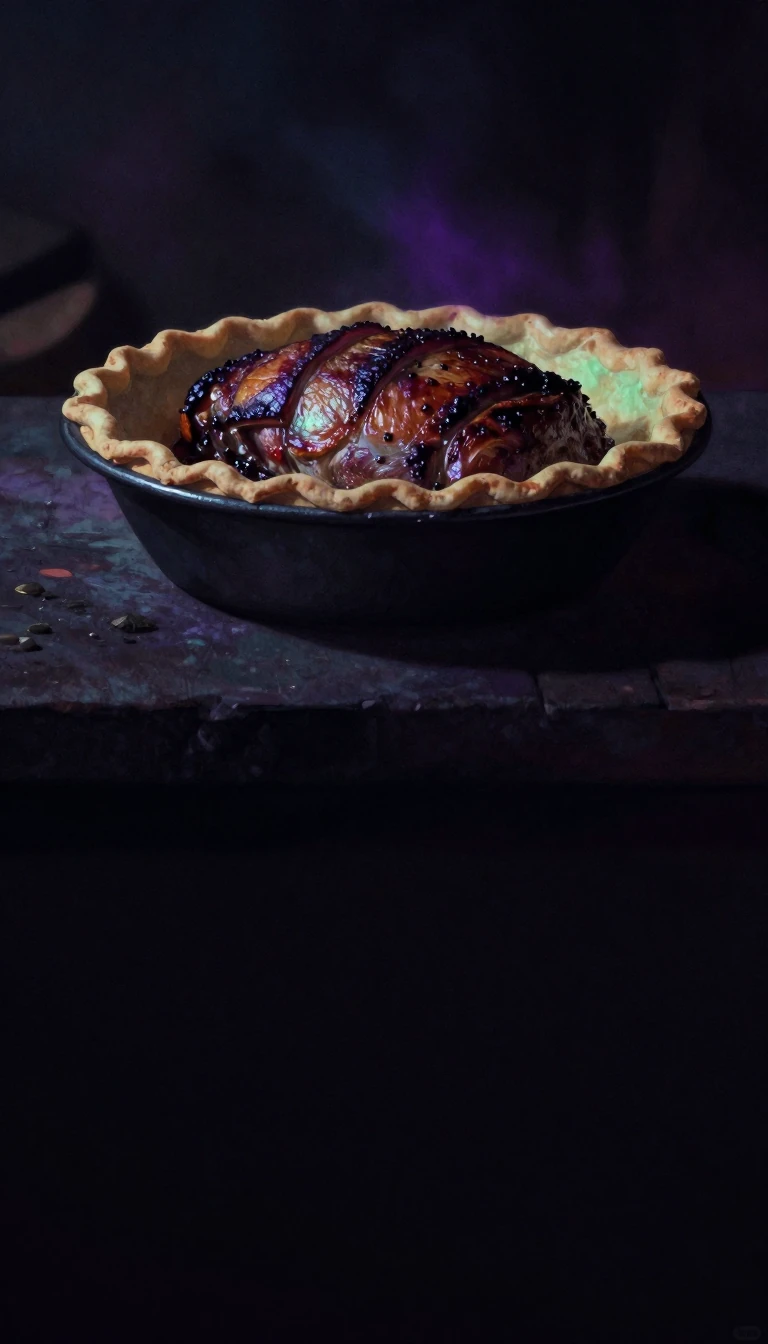
In short: Distinguished from the common pie by its open top and firm, vertical sides, the tart has a surprisingly aristocratic history. Once a savory dish reserved for the elite, this pastry evolved over centuries from a meat-filled medieval staple into the fruit and custard-based delicacy we recognize in modern kitchens today.
The distinction between a tart and a pie often blurs, yet the structural differences are clear. A tart is defined by its open top, lacking a pastry lid, and its sturdy, perpendicular sides. This rigid architecture allows the tart to be served free-standing, unlike the pie, which typically requires a plate due to its softer crust and looser filling. While the French term tarte can refer to both, the primary differentiator remains the presence or absence of a pastry covering.
The origins of the tart are tied to medieval pie-making traditions or the practice of layering ingredients. By the mid-15th century, the Italian crostata emerged as an early, rustic, and free-form iteration of the open-faced fruit tart. However, the refined shortcrust pastry we associate with these dishes today did not become common until approximately 1550. During this era, tarts were considered high-cuisine, favored by the nobility, while pies were relegated to the diets of commoners.
Culinary preferences shifted significantly over time. Early medieval versions were almost exclusively savory, featuring meat fillings. As tastes evolved, sweet variations featuring fruit and custard became the standard. Today, the category encompasses a wide array of styles, from the upside-down apple tarte tatin to savory staples like the Swiss Gruyère cheese tart or the custard-based quiche. Whether using fresh fruit or simple jam, the tart remains a versatile testament to centuries of culinary refinement.
Opens the Intellect+ feed with this card first. Swipe up for the next one.
Sources
- Summary by Intellect · source: Tart
To cite this card, link to https://intellectplus.co.uk/app/food-tart.
How we source, check and correct cards: Editorial standards.
General information, not professional advice. Spotted an error? Flag the card or see corrections and complaints.
Intellect Plus is a visual educational discovery platform for exploring fascinating facts and ideas. Brain Food, Not Brain Rot. What is Intellect Plus?
Related
More in Cooking, food and drink · More in Food & Drink · Latest · A–Z · All topics
