Tteok is a whole family of Korean rice cakes, not a single dish
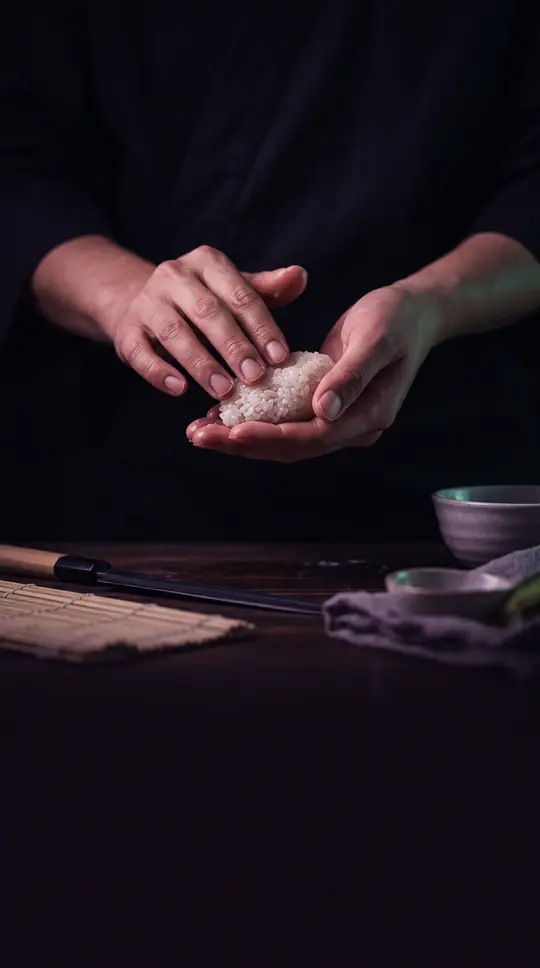
In short: Tteok, the Korean word for rice cakes, covers a huge family of foods. They can be steamed, pounded, boiled or pan-fried from grain, and they range from a simple white snack to an elaborate, colourful dessert. Some are shared at New Year, others offered to spirits, and some are eaten as a full meal. Their roots go back to early farming communities.
Tteok (떡) is the umbrella term for Korean rice cakes. They are built from ground grain, both glutinous and non-glutinous rice, which can be steamed, shaped, pounded or pan-fried. Sometimes the tteok is pounded from grains that were already cooked. Because the category is so broad, one tteok might be a plain white cake used in everyday cooking, while another is an elaborate creation with nuts, fruits, flowers and herbs, in many colours, scents and shapes. The tradition is traced back to early agricultural society in Korea. It is presumed to have been eaten from around the 7th to 8th centuries BC, a period supported by records of sowing, ploughing and farming alongside ancient artifacts such as a flat grinding stone and a small stone mortar. The earliest version is thought to have come from coarse flour of mixed grains, baked or pan-fried with no cooking utensils. Later kitchens developed a set of tools for the job, including large pottery bowls, sieves, mortars and pestles, wooden pounding boards and mallets, earthenware steamers, and wooden stamps for patterning.
Tteok falls into four broad families: steamed, pounded, boiled and pan-fried. Steamed tteok, often called sirutteok after the large earthenware steamer used to cook it, is considered the oldest and most basic kind. Within it, seolgitteok is a single large lump, while kyeotteok is built in layers with bean powder between them. Pounded tteok, such as the cylinder-shaped garaetteok and the patterned jeolpyeon, is steamed first and then beaten. Pan-fried types, such as bukkumi and juak, are flattened and cooked in oil. Tteok is also a social food. Offerings made to spirits are called boktteok, meaning good-fortune rice cake, and are shared with neighbours and relatives. It also appears at banquets and festivals: tteokguk, a soup made with thinly sliced rice cylinders, is shared at Korean New Year, and songpyeon is shared at Chuseok, a harvest festival. Common ingredients such as red bean, mugwort, sesame, jujube and honey show how closely tteok is tied to the seasons and the land.
The rice cake tradition therefore runs from ancient farming villages to modern celebrations, and its variety shows how one simple base ingredient can take on many forms.
Opens the Intellect+ feed with this card first. Swipe up for the next one.
Sources
- Summary by Intellect · source: Tteok
To cite this card, link to https://intellectplus.co.uk/app/food-tteok.
How we source, check and correct cards: Editorial standards.
General information, not professional advice. Spotted an error? Flag the card or see corrections and complaints.
Intellect Plus is a visual educational discovery platform for exploring fascinating facts and ideas. Brain Food, Not Brain Rot. What is Intellect Plus?
