Why the humble wonton is named after clouds and ancient chaos
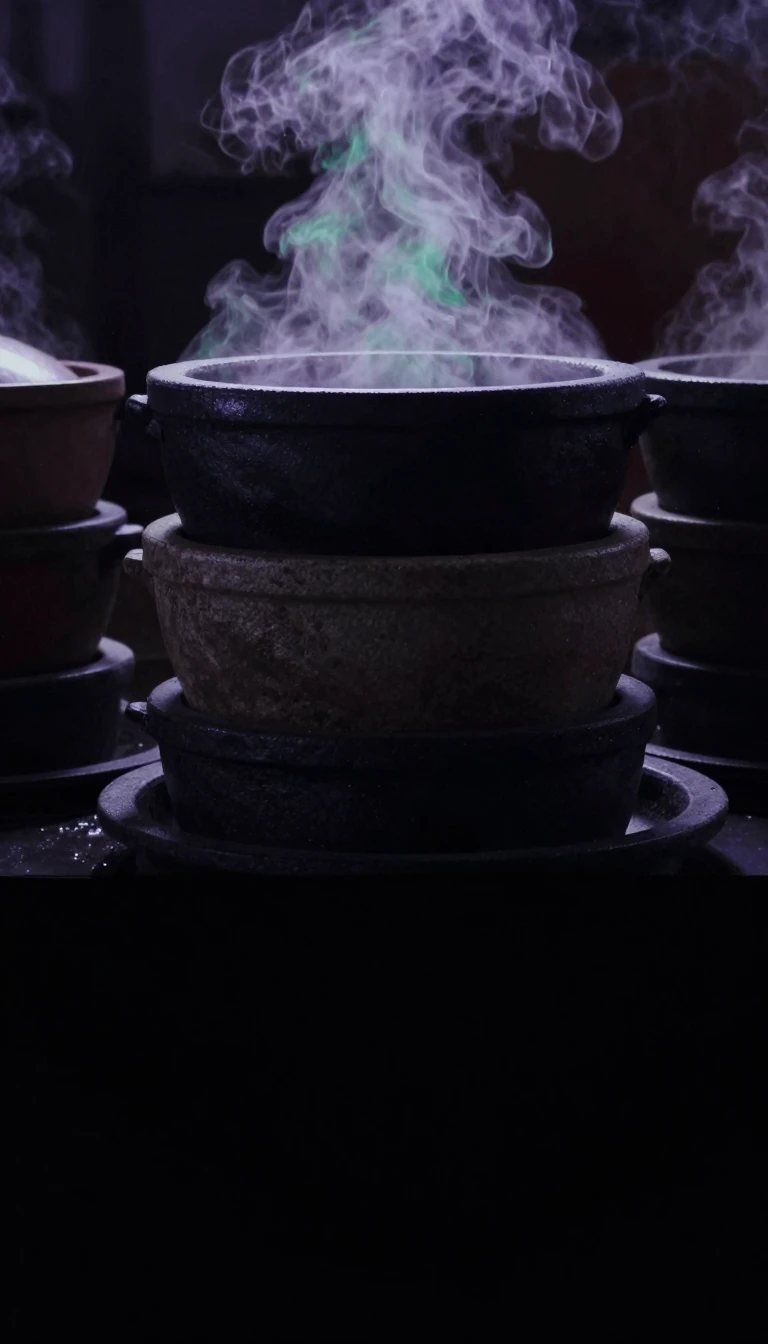
In short: The wonton is a culinary chameleon, evolving from a simple bread-like dumpling into a global icon. Known as cloud swallows in Cantonese for their ethereal appearance in broth, these delicate parcels have been shaped by centuries of regional innovation, from the streets of Shanghai to the fusion kitchens of Peru.
The origins of the wonton are deeply rooted in Chinese history, with early references dating back to the Han dynasty. Initially, they were considered a type of bread, though distinct from other dumplings due to their thin, square wrappers made from flour, egg, water, and salt. The name itself reflects ancient philosophical concepts; early Han Chinese associated the wonton with 'hun dun'—a term for chaos or turbidity—because the sealed bun lacked the seven orifices they believed were necessary for a complete form. Over time, as culinary traditions diverged, the Chinese began to differentiate wontons from jiaozi, the latter being characterized by thicker, circular wrappers and more substantial fillings.
Regional variations define the wonton experience. In Sichuan, they are folded into 'chao shou' or 'folded arms' shapes and served in spicy red oil. In Shanghai, the distinction between 'small' wontons, which are casually crumpled, and 'large' wontons, which are meticulously shaped like tortellini, is a staple of local breakfast and lunch culture. Cantonese cuisine popularized the wonton globally, often serving them with thin noodles in a rich broth made from shrimp shells, pork bones, and dried flounder. This Cantonese influence is largely responsible for their prevalence in Western Chinese restaurants, where they appear in everything from clear soups to deep-fried appetizers.
The global spread of the wonton has led to fascinating adaptations. In the Philippines, they are central to 'pancit Molo', while in Peru, they are a key component of 'chifa' fusion cuisine. American Chinese restaurants introduced variations like crab rangoon, filled with cream cheese and crab. Despite these diverse iterations, the fundamental technique remains consistent: a small amount of seasoned filling, often pork or shrimp, is placed in a thin wrapper, sealed to remove air, and then boiled, steamed, or fried. Whether served as a simple street snack or a complex dish, the wonton remains a testament to the versatility of dough and filling.
Opens the Intellect+ feed with this card first. Swipe up for the next one.
Sources
- Summary by Intellect · source: Wonton
To cite this card, link to https://intellectplus.co.uk/app/food-wonton.
How we source, check and correct cards: Editorial standards.
General information, not professional advice. Spotted an error? Flag the card or see corrections and complaints.
Intellect Plus is a visual educational discovery platform for exploring fascinating facts and ideas. Brain Food, Not Brain Rot. What is Intellect Plus?
Related
More in Cooking, food and drink · More in Food & Drink · Latest · A–Z · All topics
