The silver maple is a botanical paradox of rapid growth and structural fragility.
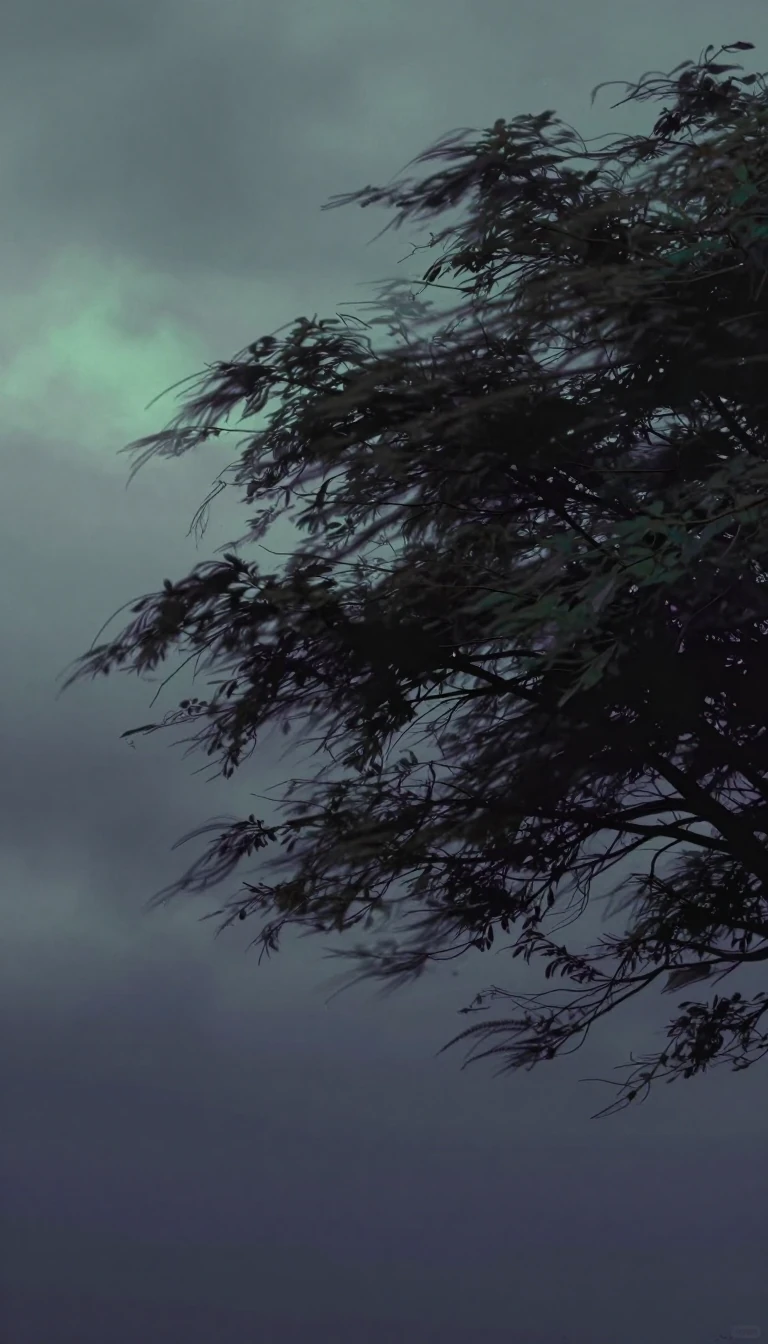
In short: Known for its shimmering leaves and lightning-fast growth, the silver maple was once a suburban landscaping favorite. Today, it is often banned from city streets. Discover why this adaptable, water-loving tree is both a vital ecological powerhouse and a notorious destroyer of home foundations and sewer pipes.
The silver maple, or Acer saccharinum, is a fast-growing deciduous species native to the eastern and central regions of the United States and southeastern Canada. Reaching heights of 15 to 25 meters, it is highly adaptable to various environments, from wetlands to urban landscapes. Its distinct leaves, featuring deep notches and silvery undersides, create a striking visual effect in even light breezes. Unlike most maples, which fruit in autumn, the silver maple produces its large, winged seeds in early summer, allowing for immediate germination.
While its rapid growth makes it an attractive ornamental choice, this speed comes at a cost. The tree produces brittle wood prone to storm damage and possesses a shallow, aggressive root system capable of invading drain pipes and cracking sidewalks. Following World War II, these trees were widely planted as replacements for the blighted American elm, but they eventually fell out of favor. Many municipalities now prohibit their use as street trees due to their messy form, invasive seedlings, and structural instability.
Despite its reputation in urban planning, the species remains ecologically significant. It provides essential food for squirrels and birds, while its trunk cavities offer shelter for diverse wildlife, including owls and raccoons. Historically, Native American groups utilized the tree extensively, employing its sap for sugar and its bark as a traditional medicine for ailments ranging from cramps to measles. Today, researchers are even exploring the silver maple as a potential source for biofuels, highlighting its enduring utility beyond the garden.
Opens the Intellect+ feed with this card first. Swipe up for the next one.
Sources
- Summary by Intellect · source: Acer saccharinum
To cite this card, link to https://intellectplus.co.uk/app/gardening-acer-saccharinum.
How we source, check and correct cards: Editorial standards.
General information, not professional advice. Spotted an error? Flag the card or see corrections and complaints.
Intellect Plus is a visual educational discovery platform for exploring fascinating facts and ideas. Brain Food, Not Brain Rot. What is Intellect Plus?
Related
More in Plants · More in Gardening · Latest · A–Z · All topics
