The sugar maple is a forest giant that requires freezing temperatures to survive
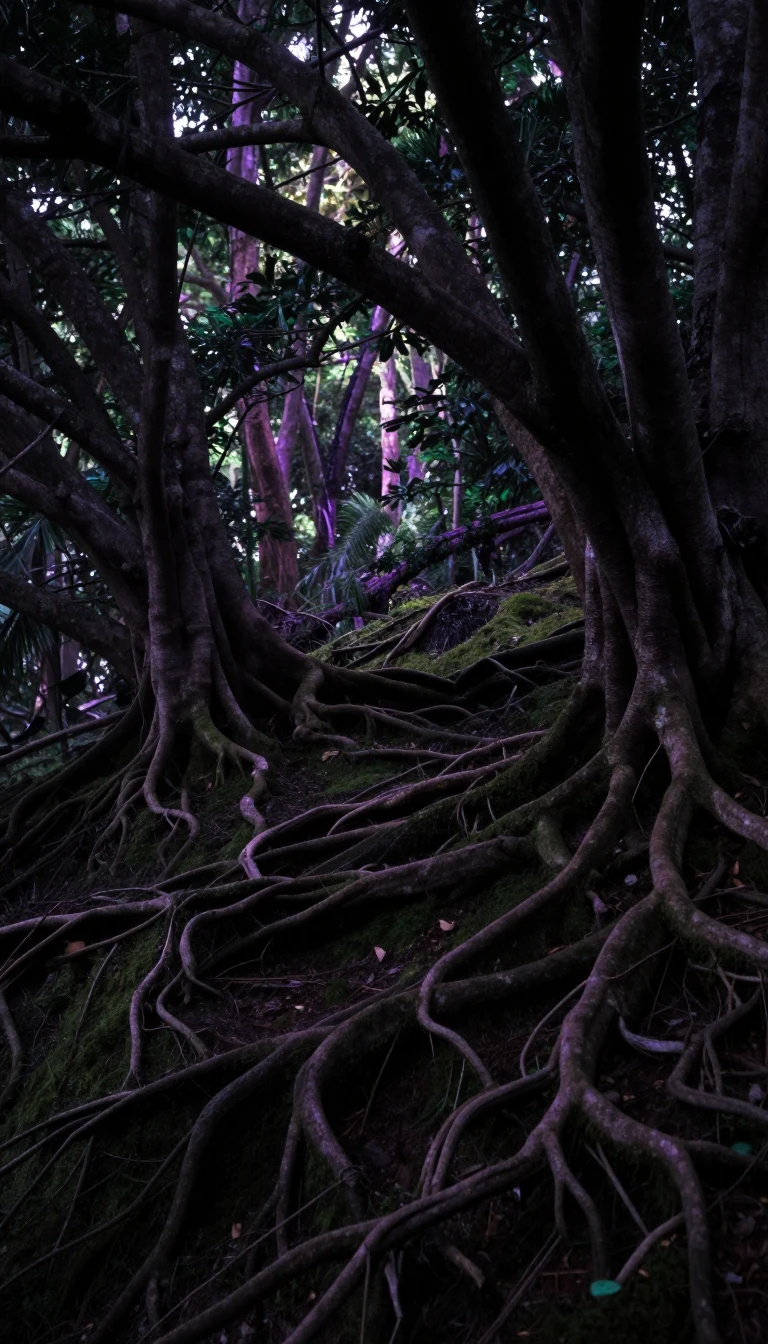
In short: Beyond its iconic autumn colors and role as the primary source of maple syrup, the sugar maple is a biological marvel. It engages in hydraulic lift to nourish surrounding plants and possesses a unique, temperature-dependent germination process that remains unmatched by any other known tree species in the world.
The sugar maple, Acer saccharum, is a cornerstone of hardwood forests across eastern Canada and the northern United States. These long-lived trees, which can survive for up to 300 years, are remarkably shade-tolerant. They thrive in the understory of closed-canopy forests, waiting for a gap in the light to trigger rapid growth. Their root systems are equally sophisticated, performing hydraulic lift to draw moisture from deep soil layers and redistribute it to drier upper levels, benefiting the entire local ecosystem.
The species is defined by its strict climatic requirements. Unlike most trees, sugar maple seeds require 45 days of temperatures below 4 °C to break down their protective coating, and germination typically fails at temperatures above 10 °C. This dependence on cold winters restricts their range; they are most common north of the 42nd parallel. In southern regions, where summers are humid and winters lack sufficient chill, the trees are confined to cool ravines and produce significantly less sap.
Human activity has significantly altered the sugar maple's landscape. While once a popular urban tree, it has struggled against modern pollution, acid rain, and road salt, leading to its displacement by the hardier, more aggressive Norway maple in many areas. Despite these challenges, the tree remains culturally and economically vital. Its wood is prized for everything from baseball bats and musical instruments to high-end pool cues, and its sap remains the foundation of the maple syrup industry, requiring 40 gallons of sap to produce just one gallon of syrup.
Opens the Intellect+ feed with this card first. Swipe up for the next one.
Sources
- Summary by Intellect · source: Acer saccharum
- Also: iNaturalist — sugar maple (Acer saccharum) · CC BY-SA 4.0 (Wikipedia summary)
- Also: iNaturalist — black maple (Acer nigrum) · CC BY-SA 4.0 (Wikipedia summary)
To cite this card, link to https://intellectplus.co.uk/app/nature-acer-saccharum.
How we source, check and correct cards: Editorial standards.
General information, not professional advice. Spotted an error? Flag the card or see corrections and complaints.
Intellect Plus is a visual educational discovery platform for exploring fascinating facts and ideas. Brain Food, Not Brain Rot. What is Intellect Plus?
Related
More in Organisms · More in Nature · Latest · A–Z · All topics
