The red maple is North America's most abundant native tree, but it is toxic.
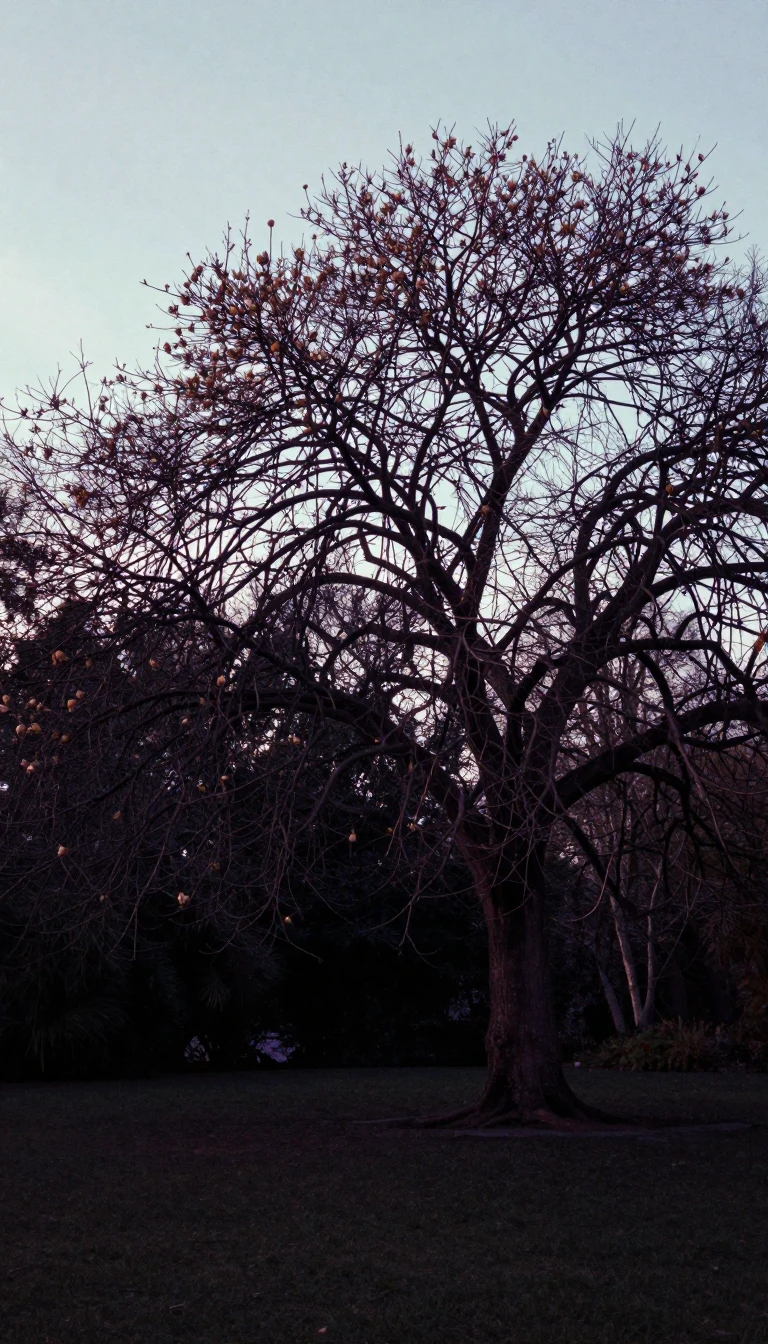
In short: Acer rubrum is a botanical chameleon, thriving from swampy depressions to dry ridges across the continent. While celebrated for its brilliant autumn foliage and rapid growth, this common tree harbors a lethal secret: its wilted or dead leaves contain a potent oxidant that is highly toxic to horses.
The red maple is the most abundant native tree in eastern North America, boasting an expansive range that stretches 2,600 kilometers from Newfoundland to Florida. Its success is rooted in extraordinary adaptability; it tolerates a wider variety of soil types, moisture levels, and elevations than perhaps any other forest tree on the continent. Whether in peat bogs or on dry, southwest-facing slopes, the species thrives by adjusting its root structure to its environment, producing either short taproots or long, well-developed lateral roots as needed.
Despite its ubiquity, the red maple is a relatively recent success story. Its population density has increased six- to seven-fold since European arrival, largely due to the cessation of traditional forest management practices like prescribed burns, which were once used by Native Americans to clear undergrowth. Today, the tree frequently dominates young, disturbed forests, though it remains a sparse presence in mature, old-growth ecosystems where shade-tolerant species like sugar maples and beeches eventually prevail. Its rapid colonization of disturbed sites is fueled by prolific seed production; a single 30-centimeter diameter tree can release nearly one million seeds in a season.
While the tree is a staple of urban landscaping and a popular choice for its vibrant fall color, it poses a significant danger to livestock. Ingesting as little as 700 grams of its leaves can cause acute oxidative hemolysis in horses, a condition that prevents oxygen transport and often leads to organ failure and death. Despite this, the red maple remains a cornerstone of the eastern North American landscape, valued for its ecological resilience and its ability to provide structure to forests recovering from human or natural disturbance.
Opens the Intellect+ feed with this card first. Swipe up for the next one.
Sources
- Summary by Intellect · source: Acer rubrum
- Also: iNaturalist — red maple (Acer rubrum) · CC BY-SA 4.0 (Wikipedia summary)
- Also: iNaturalist — Hananoki Maple (Acer pycnanthum) · CC BY-SA 4.0 (Wikipedia summary)
To cite this card, link to https://intellectplus.co.uk/app/nature-acer-rubrum.
How we source, check and correct cards: Editorial standards.
General information, not professional advice. Spotted an error? Flag the card or see corrections and complaints.
Intellect Plus is a visual educational discovery platform for exploring fascinating facts and ideas. Brain Food, Not Brain Rot. What is Intellect Plus?
Related
More in Organisms · More in Nature · Latest · A–Z · All topics
