This rare New Caledonian shrub is the sole survivor of an ancient evolutionary lineage.
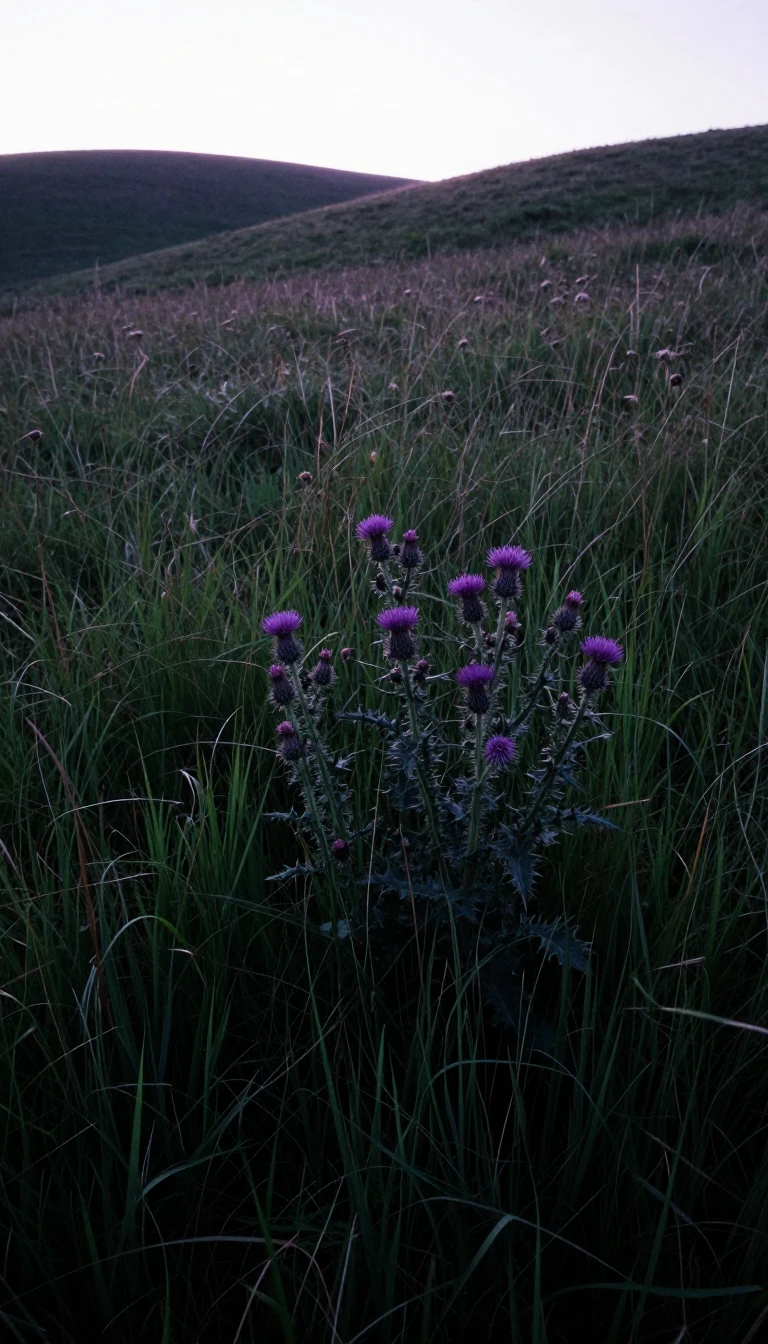
In short: Amborella trichopoda is not just another plant; it is the sister group to all other flowering plants on Earth. By diverging over 130 million years ago, this modest understory shrub acts as a living time capsule, helping scientists finally decode the origins of the world's most diverse plant group.
Found exclusively on the island of Grande Terre in New Caledonia, Amborella trichopoda is a botanical anomaly. As the only member of its family and order, it represents a lineage that split from the rest of the flowering plants (angiosperms) during the early stages of their evolution. Because it occupies this basal position, researchers use it as a reference point to understand which floral traits are ancestral and which evolved later in other species.
The plant exhibits several conservative, primitive features that distinguish it from modern flora. Most notably, its wood lacks the vessel elements found in almost all other flowering plants, relying instead on tracheids. Its reproductive biology is equally fascinating; the species is dioecious, meaning it produces separate male and female flowers. However, it displays surprising developmental plasticity, with some evidence suggesting that individual plants can shift their reproductive morphology over time.
Beyond its anatomy, Amborella holds a genomic mystery. Its mitochondrial genome is unusually crowded with foreign DNA, containing about six versions of genes from associated algae and mosses for every one of its own. While the significance of this horizontal gene transfer remains unclear, it highlights the plant's intimate connection to its environment. As a relict species, its survival is tied to the climate stability of New Caledonia, though it currently faces threats from habitat loss and global warming.
To unlock the secrets of what Darwin famously called the 'abominable mystery' of flower evolution, the US National Science Foundation launched a sequencing project in 2010, releasing a draft genome in 2013. By comparing Amborella to other lineages, scientists are piecing together the genetic history of the earliest angiosperms, ensuring that this singular witness to over 140 million years of history remains a cornerstone of modern plant biology.
Opens the Intellect+ feed with this card first. Swipe up for the next one.
Sources
- Summary by Intellect · source: Amborella
- Also: GBIF — amborella (Amborella trichopoda) · http://creativecommons.org/licenses/by/4.0/legalcode
To cite this card, link to https://intellectplus.co.uk/app/gardening-amborella.
How we source, check and correct cards: Editorial standards.
General information, not professional advice. Spotted an error? Flag the card or see corrections and complaints.
Intellect Plus is a visual educational discovery platform for exploring fascinating facts and ideas. Brain Food, Not Brain Rot. What is Intellect Plus?
Related
More in Plants · More in Gardening · Latest · A–Z · All topics
