The ancient plants that branched out to conquer the land forever
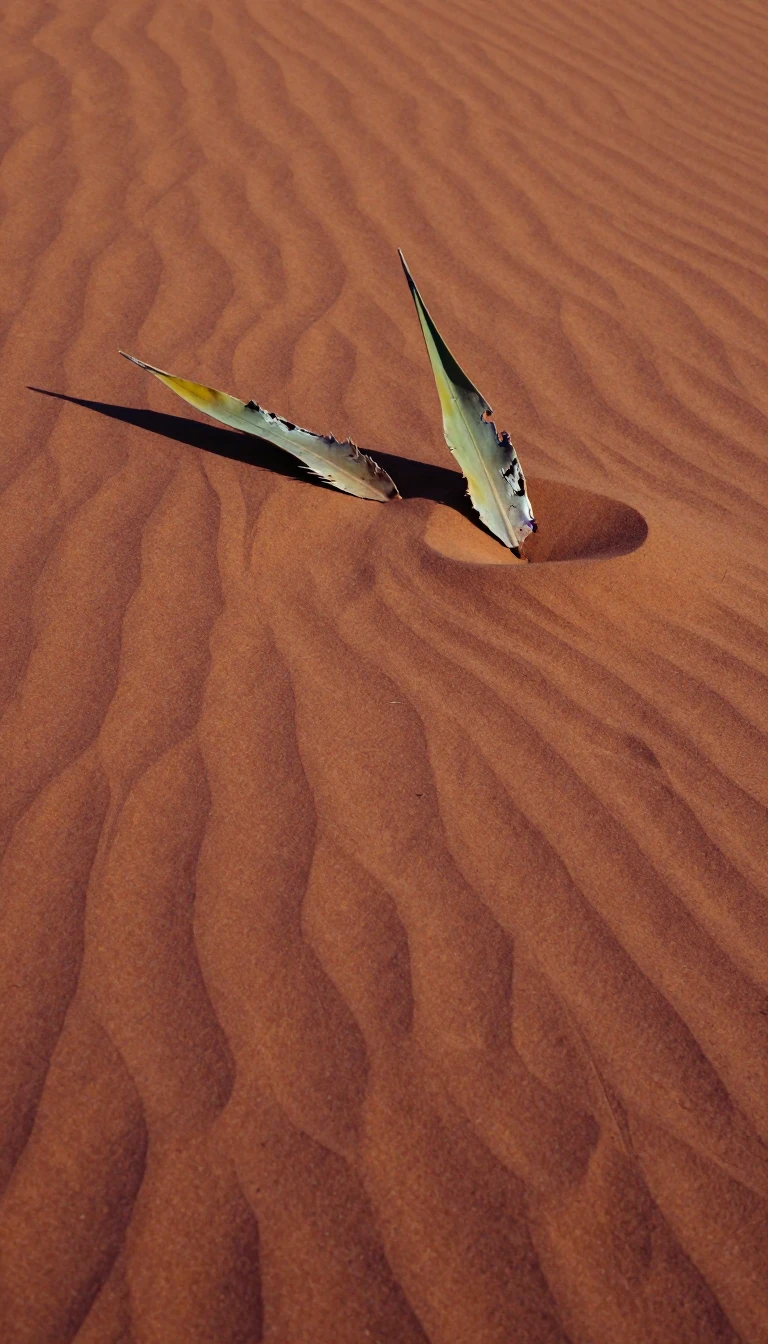
In short: Polysporangiophytes are the botanical ancestors of almost every plant you see today. By evolving branching, spore-bearing stems, these early land plants broke away from the simple, unbranched forms of mosses. This shift allowed for the complexity of vascular systems and the eventual rise of the world's vast forests.
The term polysporangiophyte, or 'many sporangia plant,' refers to a clade defined by a single evolutionary innovation: the branching of the sporophyte generation. Unlike bryophytes—mosses, liverworts, and hornworts—which typically produce a single sporangium on an unbranched stalk, these plants developed complex, multi-branched axes. This structural leap provided the foundation for the evolution of vascular tissue, though the clade includes both extinct non-vascular forms and all living vascular plants, or tracheophytes.
Our understanding of these plants relies heavily on the fossil record, starting with the 1859 description of Psilophyton princeps by Canadian geologist Dawson. Later, the 1917 discovery of the Rhynie chert in Scotland provided a clearer picture of these early, leafless land plants. Today, researchers identify even older specimens, such as Eohostimella from the Llandovery epoch, roughly 443 to 433 million years ago. These fossils reveal a world where early land plants were experimenting with different ways to transport water and reproduce.
Classifying these ancient organisms remains a subject of intense debate. In 1997, Kenrick and Crane established the modern concept of the polysporangiophyte clade, but their proposed evolutionary trees are frequently challenged. Critics argue that early land plants share so many ancestral traits that they are inherently difficult to categorize. Furthermore, recent discoveries of fossil spores suggest that complex plants may have appeared earlier than the current fossil record confirms, indicating that our map of plant evolution is still incomplete and subject to ongoing revision.
Why this matters is clear: the divergence of polysporangiophytes led to the two major lineages of vascular plants we recognize today. One branch produced the lycophytes, while the other gave rise to the euphyllophytes—the group that includes the vast majority of modern plants, from ferns to towering seed-bearing trees. By mastering the ability to branch and transport water, these early pioneers transformed the Earth's surface, setting the stage for the green planet we inhabit.
Opens the Intellect+ feed with this card first. Swipe up for the next one.
Sources
- Summary by Intellect · source: Polysporangiophyte
To cite this card, link to https://intellectplus.co.uk/app/gardening-polysporangiophyte.
How we source, check and correct cards: Editorial standards.
General information, not professional advice. Spotted an error? Flag the card or see corrections and complaints.
Intellect Plus is a visual educational discovery platform for exploring fascinating facts and ideas. Brain Food, Not Brain Rot. What is Intellect Plus?
Related
More in Plants · More in Gardening · Latest · A–Z · All topics
