Why this humble West African legume became a global symbol of New Year prosperity
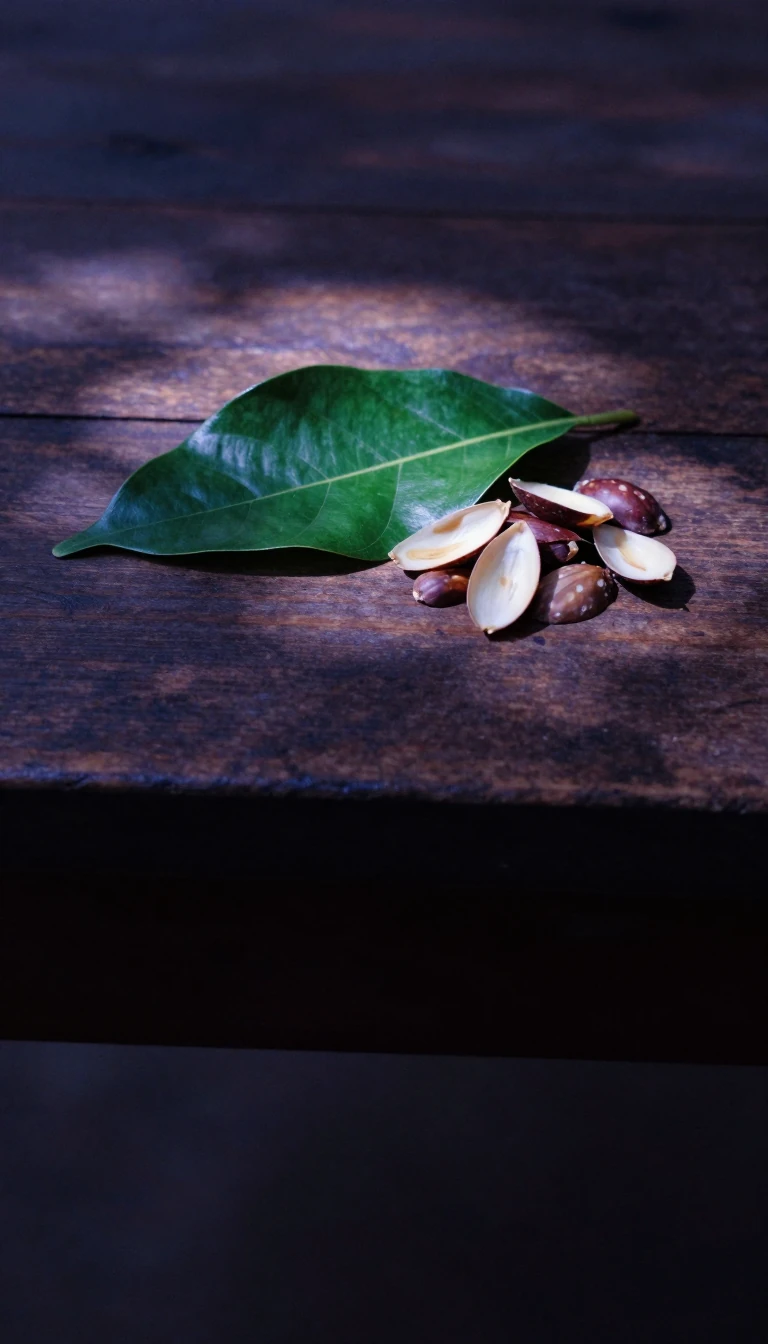
In short: The black-eyed pea is far more than a Southern staple. Originating in West Africa, this nitrogen-fixing legume traveled across the globe, becoming a dietary cornerstone from India to Brazil. Whether fried into fritters or served for luck, its journey reveals how a simple bean shapes culture, agriculture, and history.
Botanically known as Vigna unguiculata subsp. unguiculata, the black-eyed pea is a subspecies of the cowpea. Domesticated in Africa, it has been cultivated in India and China since prehistoric times. In the 17th century, the crop arrived in Virginia via enslaved Africans, eventually becoming a vital part of Southern United States cuisine. George Washington Carver later championed the plant, noting its ability to enrich soil with nitrogen and provide significant nutritional value, including folate, fiber, and essential minerals.
The plant is a heat-loving, drought-tolerant crop that thrives in warm soil. Gardeners should wait until the danger of frost has passed to sow seeds, as early planting often leads to rot. Once established, the crop is relatively low-maintenance, though it requires careful management of root-knot nematodes through crop rotation. Because its blossoms attract diverse pollinators, growers must exercise caution when using insecticides to avoid harming beneficial insects.
The cultural significance of the black-eyed pea is vast. In the American South, it is famously linked to New Year's Day traditions, where eating the peas—often in a dish called Hoppin' John—is thought to bring prosperity. While legends link this custom to the American Civil War and General Sherman’s march, historians find these stories improbable given the timing of the march and the harvest season. Regardless of its origins, the bean remains a global culinary icon, appearing in dishes ranging from Egyptian lobia and Indian daal to Brazilian acarajé and Vietnamese desserts.
Beyond its culinary versatility, the black-eyed pea serves as a symbol of resilience and history. Whether it is the Ghanaian waakye or the Guyanese cook-up rice, the bean is consistently associated with community and tradition. Its nutritional profile, offering 116 kilocalories per 100 grams, ensures it remains a practical food source, while its deep-rooted presence in folklore continues to influence how people celebrate the arrival of a new year across different continents.
Opens the Intellect+ feed with this card first. Swipe up for the next one.
Sources
- Summary by Intellect · source: Black-eyed pea
- Also: GBIF — Black-eyed Pea (Vigna unguiculata) · http://creativecommons.org/licenses/by/4.0/legalcode
To cite this card, link to https://intellectplus.co.uk/app/gardening-black-eyed-pea.
How we source, check and correct cards: Editorial standards.
General information, not professional advice. Spotted an error? Flag the card or see corrections and complaints.
Intellect Plus is a visual educational discovery platform for exploring fascinating facts and ideas. Brain Food, Not Brain Rot. What is Intellect Plus?
Related
More in Plants · More in Gardening · Latest · A–Z · All topics
