The bean that wears its shell like armor
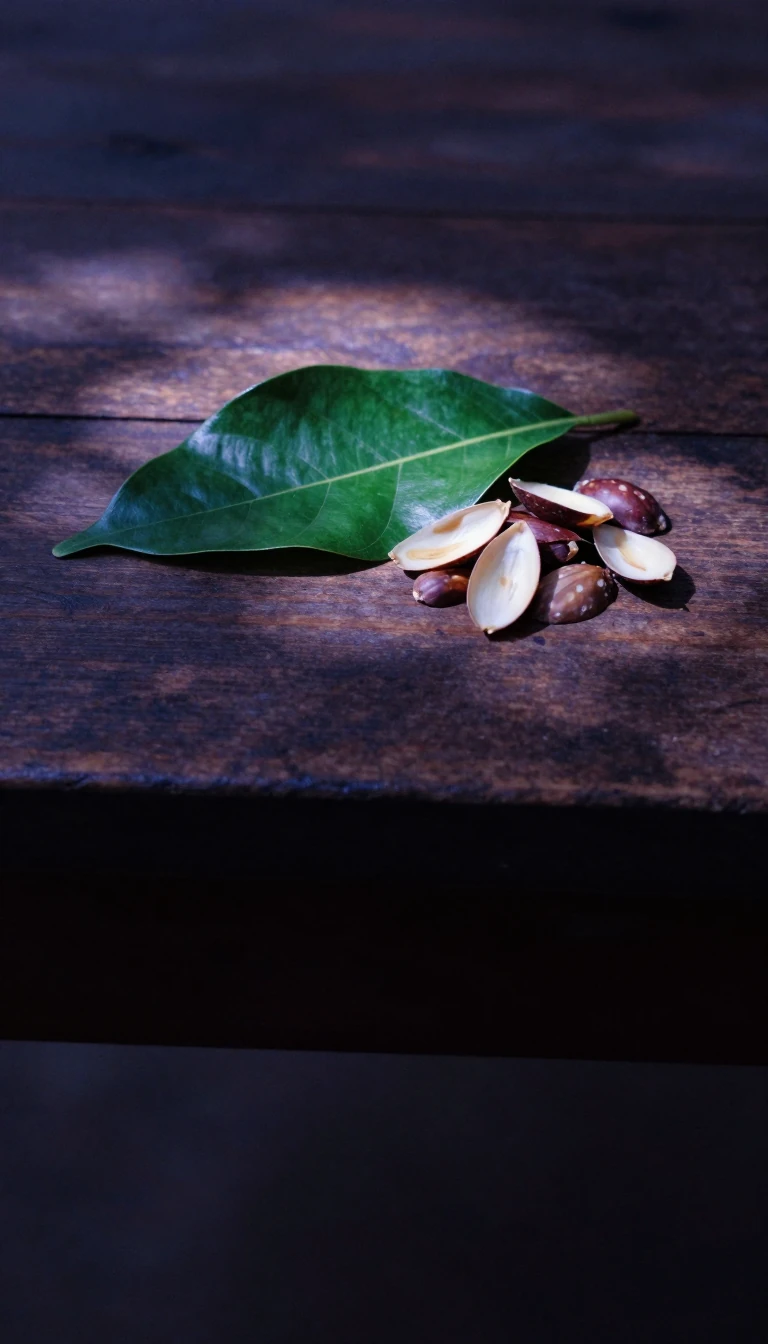
In short: While many legumes are prized for their soft interiors, the black turtle bean is defined by its exterior. It is the only variety of turtle bean, earning its name from a hard outer shell and a deep pigment derived from natural antioxidants.
The black turtle bean belongs to the Phaseolus vulgaris species, native to the Americas but now a global staple. Despite its widespread popularity, it is frequently confused with other types of black beans in international markets. It is distinct from the soybeans used in Chinese douchi dishes and possesses a unique physical profile: a dense, meaty texture that makes it a preferred substitute for meat in vegetarian cooking.
The bean's characteristic dark hue comes from anthocyanins found in its dried seed coats. Beyond aesthetics, these beans are nutritionally significant; a 100-gram serving of boiled beans provides roughly 132 calories and serves as a substantial source of thiamine and folate. In terms of composition, they consist primarily of water, followed by carbohydrates, protein, and a very small amount of fat.
Historically, the bean's role in American agriculture shifted significantly after the Mexican–American War (1846–1848). Before becoming a staple for its seeds, it was initially cultivated as a snap pea to harvest the edible pods. Today, it remains a cornerstone of diverse culinary identities, from Brazil’s feijoada to the gallo pinto of Central America and even Thai desserts like black bean sticky rice.
A unique cultural practice involves utilizing the entire cooking process rather than just the solid legume. In many regions, the water used to boil the beans—which turns deep black—is reserved as a seasoning agent or broth known as sopa negra. This liquid is used to color and flavor other dishes, illustrating how every part of the bean contributes to its culinary utility.
Opens the Intellect+ feed with this card first. Swipe up for the next one.
Sources
- Summary by Intellect · source: Black turtle bean
To cite this card, link to https://intellectplus.co.uk/app/gardening-black-turtle-bean.
How we source, check and correct cards: Editorial standards.
General information, not professional advice. Spotted an error? Flag the card or see corrections and complaints.
Intellect Plus is a visual educational discovery platform for exploring fascinating facts and ideas. Brain Food, Not Brain Rot. What is Intellect Plus?
Related
More in Plants · More in Gardening · Latest · A–Z · All topics
