Bracken is an ancient, resilient survivor that can quickly dominate your garden landscape
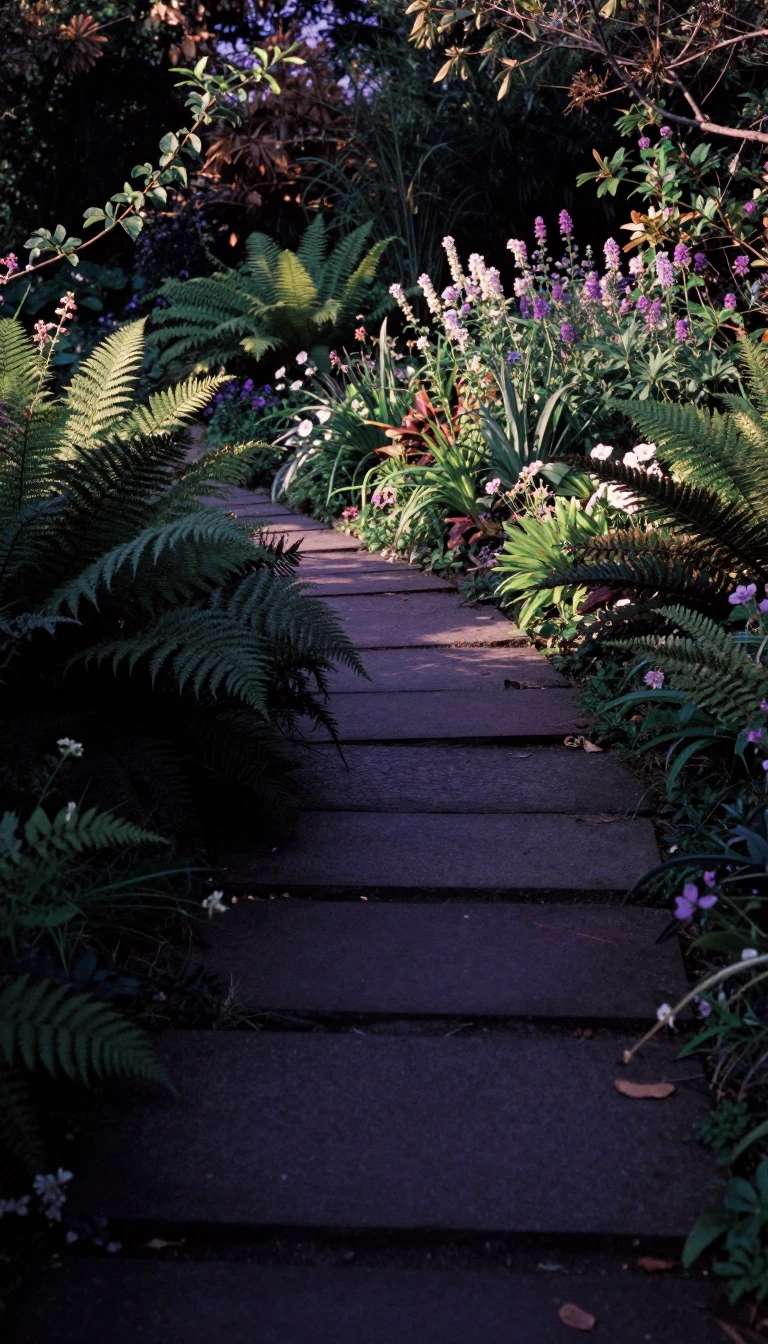
In short: Bracken is a hardy perennial fern that spreads through extensive underground rhizomes and windborne spores. While it provides shelter for wildlife, its ability to form dense thickets can outcompete other plants. Managing this invasive species requires patience, but you can control it without resorting to harsh chemical weedkillers.
Botanically known as Pteridium aquilinum, bracken is a herbaceous perennial that has existed for millions of years. It is characterized by triangular fronds that emerge in spring as curled fiddleheads, eventually reaching heights of over 1.5 meters by late summer. As autumn approaches, the foliage turns a distinct reddish-brown before dying back to ground level. This cycle is supported by a vast, hidden network of rhizomes that allow the plant to colonize new areas rapidly, often spreading into gardens from adjacent countryside or via spores carried on the wind.
In a garden setting, bracken is often viewed as a weed because it competes with desired plants for space and resources. However, it is also a valuable wildlife habitat, supporting various moth caterpillars and providing shelter for reptiles and birds. If you choose to manage it, non-chemical methods are highly effective. For small, isolated plants, hand-pulling is the most efficient approach. For larger, established colonies, using a border fork to lift the rhizomes or repeatedly cutting back young, tender stems during the summer will eventually weaken and eradicate the plant.
Safety is a key consideration when handling bracken. The stems can be sharp, so thick gloves are recommended to prevent cuts. Furthermore, it is wise to avoid gathering the plant in late summer or autumn during dry weather, as this is when spores are released. While young fronds are sometimes consumed in other cultures, this is not advised due to the presence of potential carcinogens. Instead, consider using shredded fronds as a mulch for acid-loving plants, as they break down to create a lower pH environment, or use dried stems to protect tender garden specimens during winter.
Opens the Intellect+ feed with this card first. Swipe up for the next one.
Sources
- Summary by Intellect · source: Bracken: Control Methods | RHS Advice
- Also: Bracken
To cite this card, link to https://intellectplus.co.uk/app/gardening-bracken.
How we source, check and correct cards: Editorial standards.
General information, not professional advice. Spotted an error? Flag the card or see corrections and complaints.
Intellect Plus is a visual educational discovery platform for exploring fascinating facts and ideas. Brain Food, Not Brain Rot. What is Intellect Plus?
Related
More in Plants · More in Gardening · Latest · A–Z · All topics
