Beyond the garnish: The surprising history and hidden chemistry of the borage plant
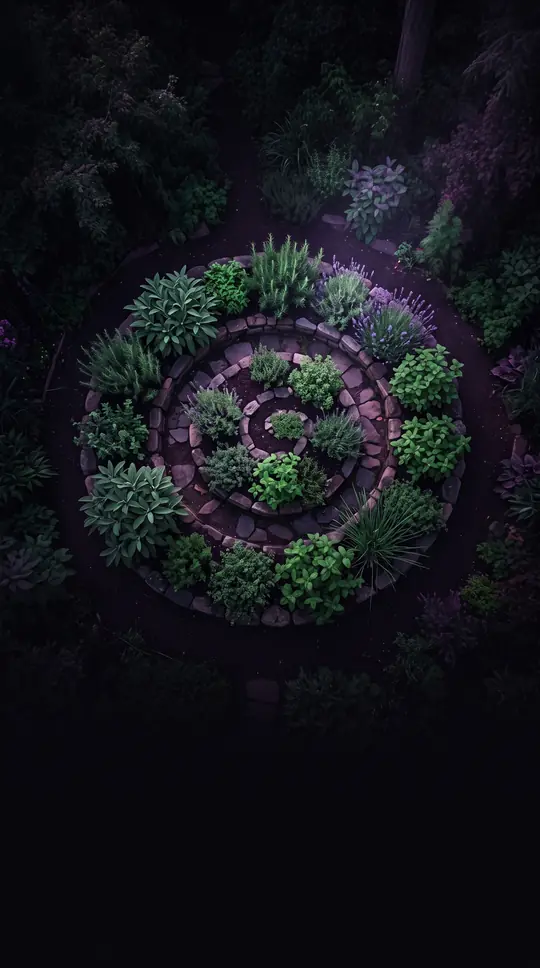
In short: Known for its vibrant blue flowers and cucumber-scented leaves, borage is more than a garden aesthetic. While historically celebrated as a tonic for the mind, modern science reveals a complex profile, ranging from its status as the world's richest source of gamma-linolenic acid to the presence of liver-toxic alkaloids.
Native to the Mediterranean, Borago officinalis is a bristly annual that has long occupied a space in both culinary and medicinal traditions. Historically, figures like Pliny the Elder and Dioscorides associated it with Homer’s nepenthe, a substance said to induce forgetfulness. By the time of John Gerard’s Herball, the plant was firmly established as a remedy for melancholy, with claims that it could comfort the heart and exhilarate the mind. Even Catherine Parr, the final wife of King Henry VIII, utilized it in concoctions intended to treat sadness.
Today, the plant’s utility has shifted toward commercial oilseed production. Its seeds are the richest known natural source of gamma-linolenic acid (GLA), an omega-6 fatty acid. However, this utility comes with caveats. The plant contains pyrrolizidine alkaloids, which are liver-toxic. These compounds are found in the leaves and can even migrate into honey via pollen, leading agencies like the German Federal Institute for Risk Assessment to advise caution regarding commercial honey production. While processing can remove these alkaloids from seed oil, the plant remains a subject of both interest and scrutiny.
In the garden, borage is prized for its indeterminate growth and ability to attract pollinators with its nectar-rich flowers. It is frequently employed in companion planting, acting as a trap crop for tomato hornworms, though claims that it enhances the flavor or growth of tomatoes remain unsubstantiated. Whether used to flavor gin, decorate cocktails, or fill ravioli in Italian regions like Liguria, borage remains a versatile, if occasionally misunderstood, botanical staple.
Opens the Intellect+ feed with this card first. Swipe up for the next one.
Sources
- Summary by Intellect · source: Borage
- Also: www.rhs.org.uk — Borage (Borago) / RHS Plant Guide
To cite this card, link to https://intellectplus.co.uk/app/gardening-borage.
How we source, check and correct cards: Editorial standards.
General information, not professional advice. Spotted an error? Flag the card or see corrections and complaints.
Intellect Plus is a visual educational discovery platform for exploring fascinating facts and ideas. Brain Food, Not Brain Rot. What is Intellect Plus?
Related
More in Plants · More in Gardening · Latest · A–Z · All topics
