The Caper Bush Is a Resilient Survivor That Has Seasoned History for Millennia
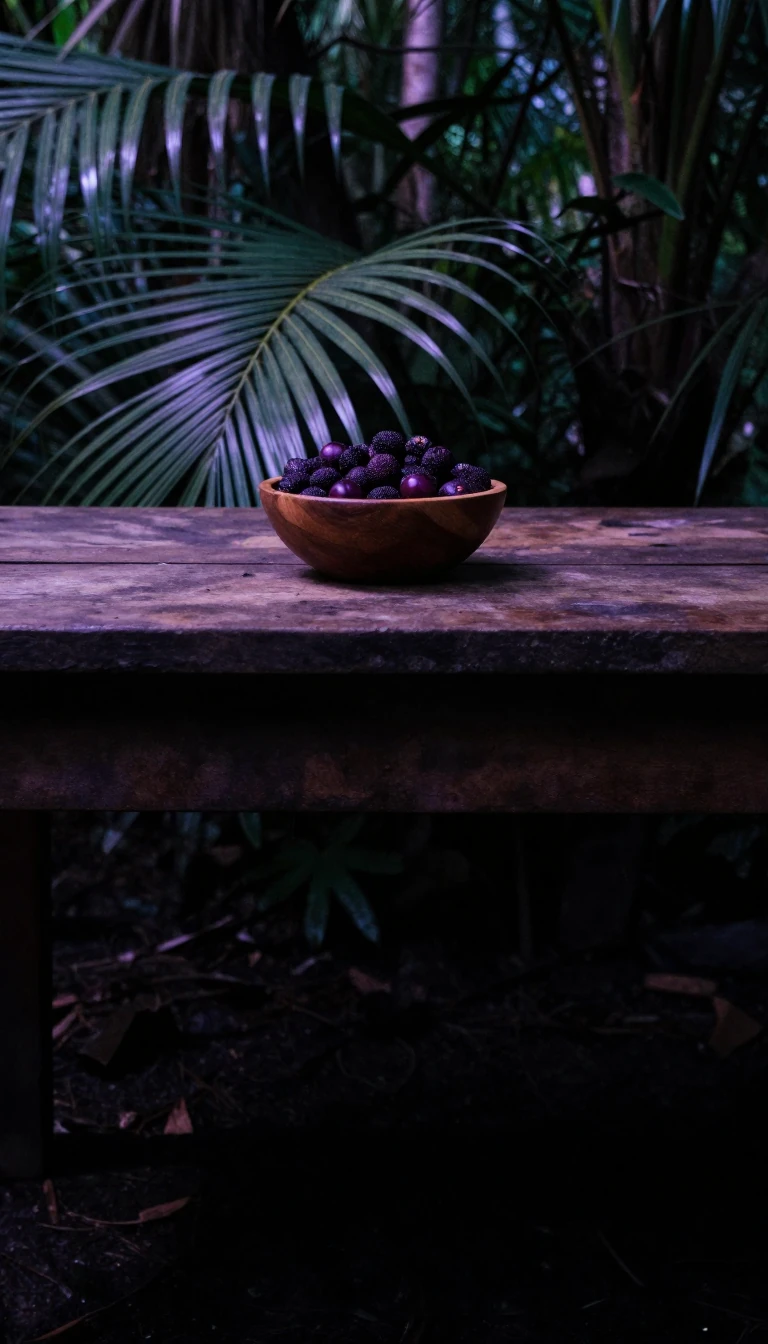
In short: Beyond its role in a martini or pasta sauce, the caper bush is a botanical enigma. Thriving in harsh, arid landscapes, this plant has been harvested since the Upper Paleolithic. Its signature sharp flavor emerges only after pickling, transforming humble flower buds into a culinary staple with deep ancient roots.
The caper bush, or Capparis spinosa, is a perennial shrub that defies easy classification. Botanists remain divided on its taxonomy, with some viewing it as a single, highly variable species and others arguing it comprises multiple distinct species or hybrids. Native to the Mediterranean and parts of Asia, the plant is remarkably drought-tolerant, utilizing specialized mechanisms to survive intense heat and limited water. When humidity spikes, it even produces temporary, wart-like pockmarks on its leaves to adapt to the changing environment.
Humans have valued the caper for thousands of years. Archaeobotanical evidence suggests it was used as far back as the Upper Paleolithic, and it appears frequently in the writings of ancient figures like Theophrastus and Pliny. In Biblical times, the caper-berry was associated with desire, and the plant is meticulously categorized in the Mishnah and Talmud, which distinguish between its buds, leaves, and berries. Beyond the kitchen, the plant has historically served medicinal purposes and is now being studied for potential cosmetic applications due to its rich profile of flavonoids like quercetin and kaempferol.
Cultivating capers requires patience and specific conditions. The plant thrives in mean annual temperatures above 14 °C, favoring a rainy spring followed by a hot, dry summer. Because the smallest buds command the highest prices, they are typically harvested by hand every morning. Once picked, the buds undergo a chemical transformation: the release of glucocapparin, a glycoside organosulfur molecule, creates the intense, peppery flavor that defines the ingredient. Whether used to prevent erosion on rocky slopes or to season a dish of spaghetti alla puttanesca, the caper remains a versatile and enduring botanical marvel.
Opens the Intellect+ feed with this card first. Swipe up for the next one.
Sources
- Summary by Intellect · source: Caper
To cite this card, link to https://intellectplus.co.uk/app/gardening-caper.
How we source, check and correct cards: Editorial standards.
General information, not professional advice. Spotted an error? Flag the card or see corrections and complaints.
Intellect Plus is a visual educational discovery platform for exploring fascinating facts and ideas. Brain Food, Not Brain Rot. What is Intellect Plus?
Related
More in Plants · More in Gardening · Latest · A–Z · All topics
