The barberry shrub is a master of botanical defense and culinary complexity
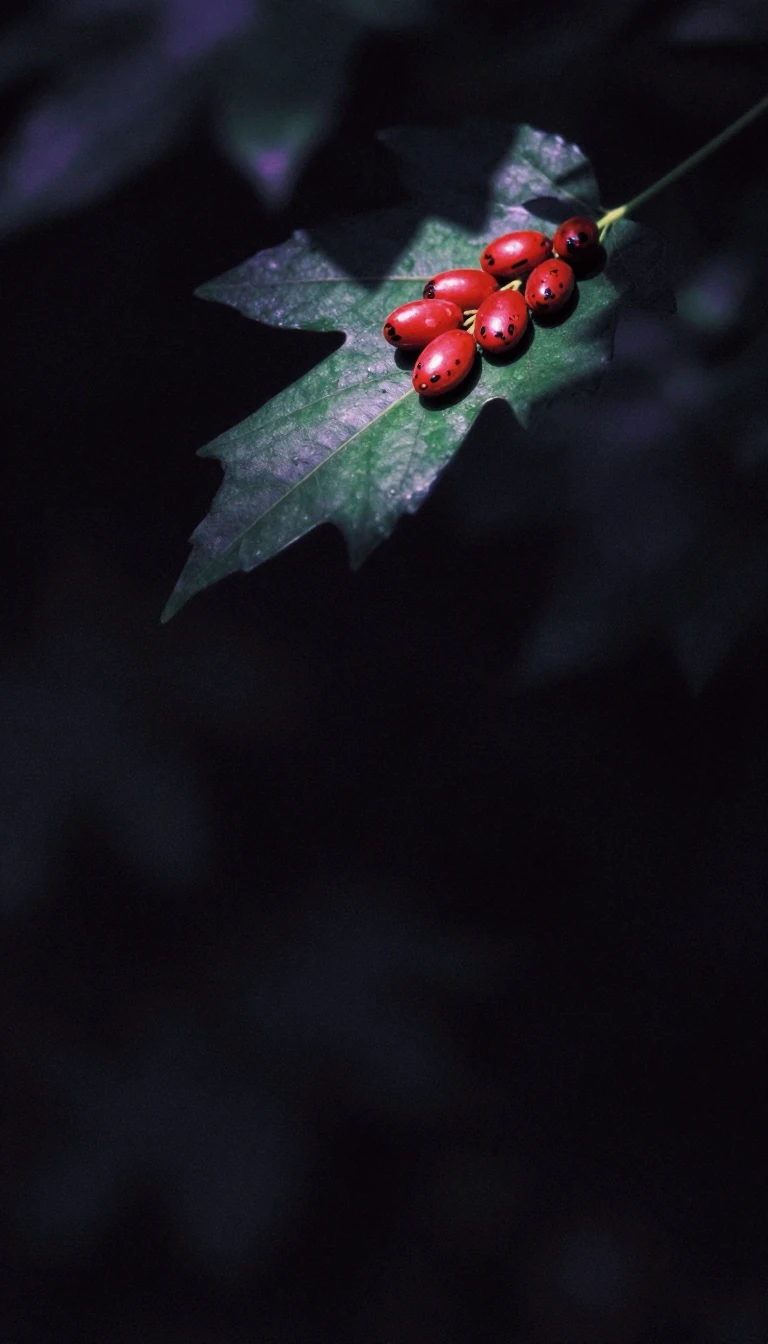
In short: Beyond its reputation as a spiny garden barrier, the Berberis genus hides a sophisticated architectural strategy. Its leaves are actually modified thorns, and its berries have been a staple of Persian cuisine for centuries. Yet, this plant also harbors potent chemical compounds and serves as a controversial agricultural host.
The Berberis genus, commonly known as barberry, displays a unique dimorphic shoot structure. While long shoots form the plant's framework, they are largely non-photosynthetic, often developing into sharp spines ranging from 3 to 30 mm. Photosynthesis is instead delegated to short shoots that emerge from the axils of these thorn-leaves. This structural adaptation, which only fully matures after a seedling is one or two years old, makes the shrub an effective natural barrier against intruders and deer.
Beyond its physical defenses, the genus is a subject of botanical debate. While some classify compound-leaved species as the separate genus Mahonia, recent DNA-based phylogenetic studies suggest that a broadly defined Berberis is monophyletic. This complexity extends to its ecological impact; for instance, B. vulgaris and B. canadensis act as alternate hosts for Puccinia graminis, a fungus that causes stem rust in wheat. Consequently, the cultivation of these species is strictly regulated or even prohibited in various regions to protect grain crops.
Culinary and medicinal uses of the plant are equally diverse. In Iran, the dried berries of B. vulgaris, known as zereshk, are prized for their sharp, acidic flavor and are essential to opulent dishes like morassa polo. Conversely, the plant's medicinal potential is fraught with uncertainty. While it contains isoquinoline alkaloids like berberine, high-quality clinical research has not adequately defined its safety. Users face significant risks, including adverse interactions with prescription medications and potential side effects such as nausea, vomiting, and dizziness, making it particularly dangerous during pregnancy.
Opens the Intellect+ feed with this card first. Swipe up for the next one.
Sources
- Summary by Intellect · source: Berberis
To cite this card, link to https://intellectplus.co.uk/app/health-berberis.
How we source, check and correct cards: Editorial standards.
General information, not professional advice. Spotted an error? Flag the card or see corrections and complaints.
Intellect Plus is a visual educational discovery platform for exploring fascinating facts and ideas. Brain Food, Not Brain Rot. What is Intellect Plus?
Related
More in Anatomy and morphology · More in Health · Latest · A–Z · All topics
