Why ancient Greeks fed this spiny, hardy shrub to their horses for shiny coats
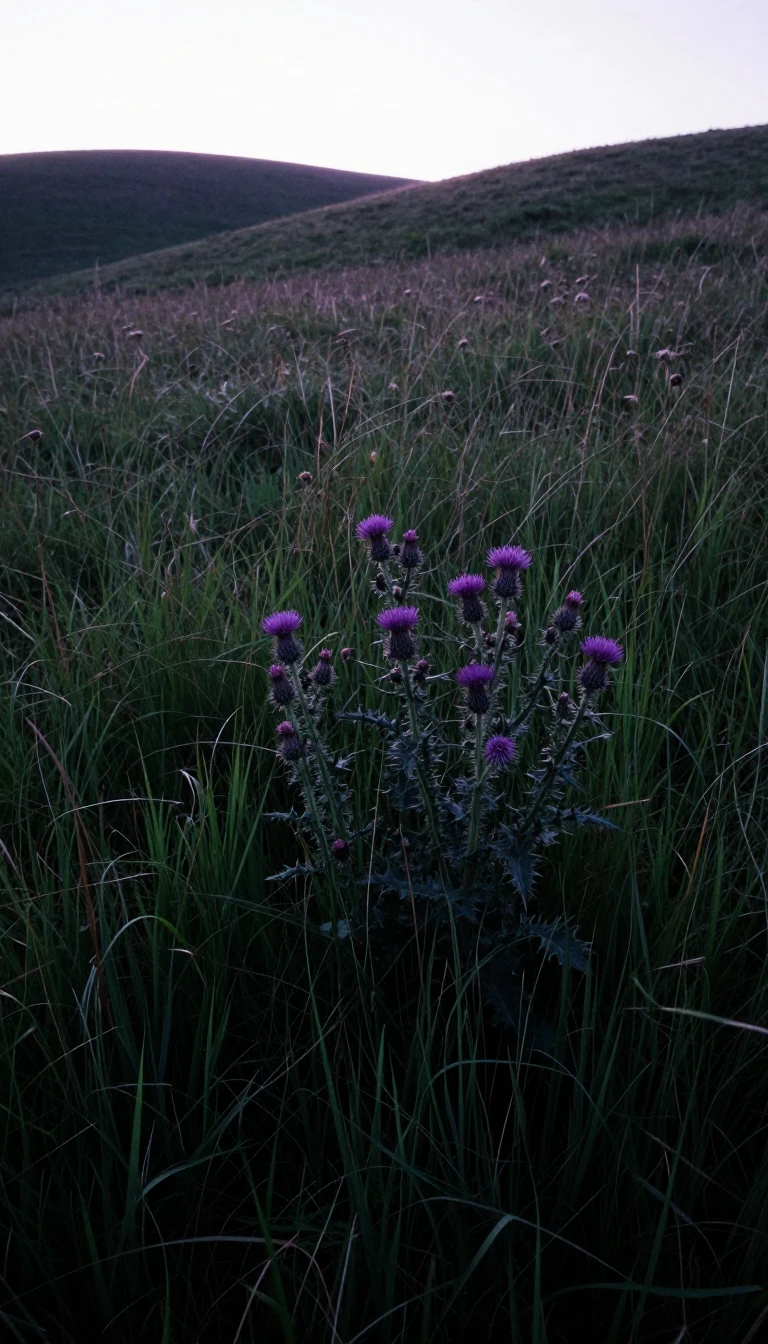
In short: Sea buckthorn is a resilient, nitrogen-fixing shrub that thrives in harsh, salty, and nutrient-poor soils. Beyond its ecological utility in land reclamation and erosion control, this spiny plant produces nutrient-dense berries used in traditional medicine, cosmetics, and food, proving that a plant can be both a rugged survivor and a powerhouse.
Known scientifically as Hippophae rhamnoides, sea buckthorn is a deciduous shrub native to cold-temperate regions across Eurasia. Its name derives from the Ancient Greek words for 'horse' and 'light,' reflecting the historical practice of feeding the leaves to horses to improve their coats. The plant is exceptionally hardy, capable of surviving temperatures as extreme as -43 °C and thriving in diverse environments, from coastal dunes to Himalayan hillsides. It relies on wind pollination and requires full sun, as it cannot tolerate shade at any stage of its development.
The plant's true strength lies in its sophisticated root system, which lives in symbiosis with nitrogen-fixing Frankia bacteria. This relationship allows the shrub to add an estimated 180 kg of nitrogen per hectare to the soil annually, significantly enhancing soil fertility and productivity. Because of its deep taproots and extensive horizontal spread, it is a premier choice for land reclamation and stabilizing slopes against erosion. It is particularly effective when planted alongside other species like pine or larch to restore degraded temperate landscapes.
Commercially, sea buckthorn is a significant agricultural crop, with China leading global production. The fruit is a nutritional marvel, packed with vitamins C, E, K, and B12, as well as various carotenoids and phytosterols. While the berries are prized for their juice and oil, the plant's utility extends to livestock fodder, where it has been shown to increase animal weight. Despite its benefits, the plant's dioecious nature—where male and female flowers grow on separate shrubs—requires careful orchard management, as growers must ensure the correct ratio of male pollinators to female fruit-bearing plants to maximize yields.
Opens the Intellect+ feed with this card first. Swipe up for the next one.
Sources
- Summary by Intellect · source: Sea buckthorn
- Also: www.rhs.org.uk — Hippophae rhamnoides | sea buckthorn
To cite this card, link to https://intellectplus.co.uk/app/places-sea-buckthorn.
How we source, check and correct cards: Editorial standards.
General information, not professional advice. Spotted an error? Flag the card or see corrections and complaints.
Intellect Plus is a visual educational discovery platform for exploring fascinating facts and ideas. Brain Food, Not Brain Rot. What is Intellect Plus?
Related
More in Cities · More in Countries & Cities · Latest · A–Z · All topics
