Before synthetic dyes, this humble mustard plant built the fortunes of medieval Europe.
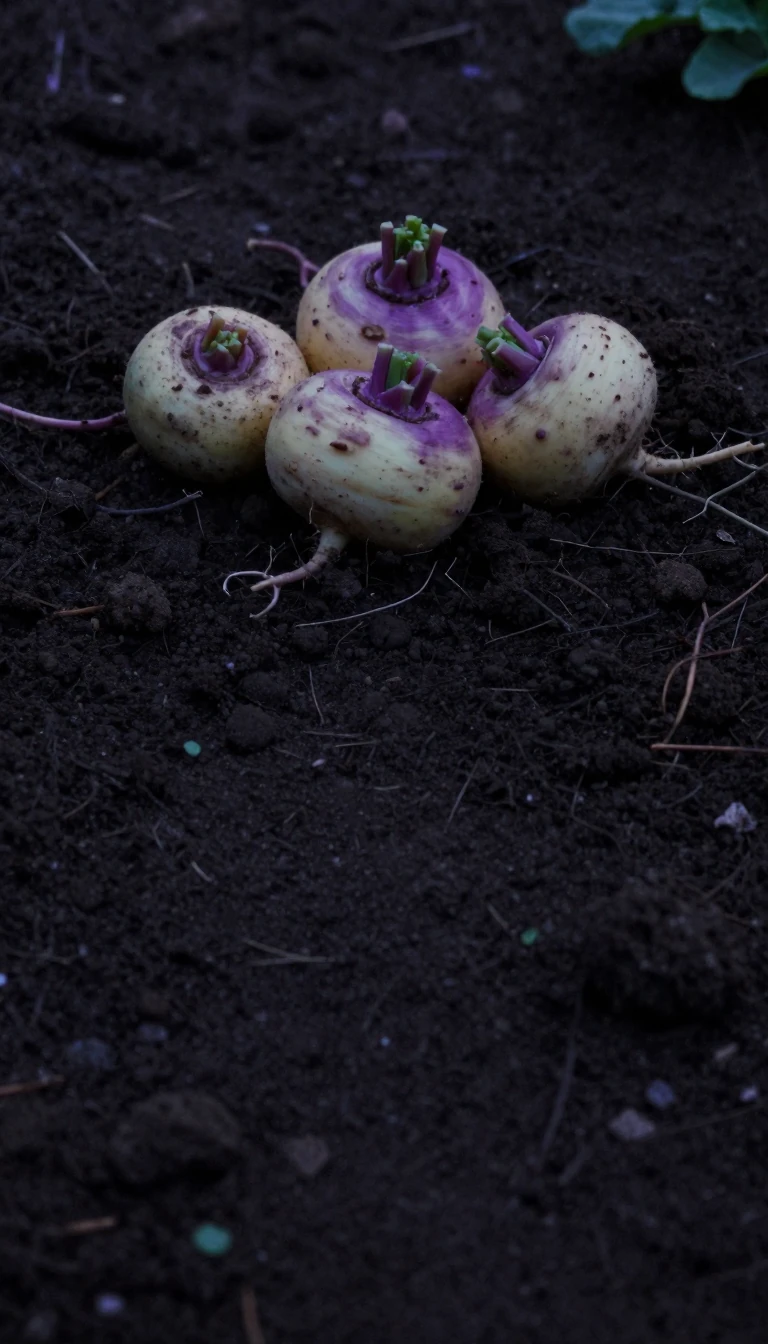
In short: Long before global trade brought exotic pigments to European shores, Isatis tinctoria—commonly known as woad—was the backbone of the continent’s textile industry. From the prosperity of French merchant towns to the funding of entire universities, this plant defined the color of the medieval world before fading into obscurity.
Woad, a member of the mustard family, has been a staple of human history since the Neolithic period. Archaeological evidence, ranging from seeds in French caves to dyed textiles in high-status Iron Age burials like the Hochdorf Chieftain's Grave, confirms its long-standing role in human culture. By the medieval era, it had become one of the three essential pillars of the European dyeing trade, alongside madder for red and weld for yellow. Its influence was so profound that entire regions, such as the Lauragais in France, flourished economically, with merchants building grand mansions to display their immense wealth.
The industry was so vital that it shaped political and academic landscapes. In Erfurt, Germany, woad traders provided the capital necessary to establish the local university. However, the rise of global trade following the 1498 sea route discovery to India introduced true indigo, a more concentrated source of the same blue pigment. This competition triggered a desperate protectionist response; European authorities enacted strict laws against the 'pernicious' foreign drug, with French King Henry IV even threatening the death penalty for its use in 1609. Despite these efforts, the industry eventually collapsed in the early 20th century due to the advent of synthetic dyes.
Today, the legacy of woad persists in both unexpected and traditional ways. While it is now considered an invasive weed in parts of the western United States, it is seeing a modest revival in Europe for craft dyeing and sustainable ink production. Modern research even explores its potential as an environmentally friendly wood preservative. Far from being a mere historical curiosity, the plant remains a testament to how a single botanical resource can dictate the economic and cultural trajectory of entire civilizations, leaving behind a trail of millstones and architectural monuments as evidence of its former dominance.
Opens the Intellect+ feed with this card first. Swipe up for the next one.
Sources
- Summary by Intellect · source: Isatis tinctoria
To cite this card, link to https://intellectplus.co.uk/app/gardening-isatis-tinctoria.
How we source, check and correct cards: Editorial standards.
General information, not professional advice. Spotted an error? Flag the card or see corrections and complaints.
Intellect Plus is a visual educational discovery platform for exploring fascinating facts and ideas. Brain Food, Not Brain Rot. What is Intellect Plus?
Related
More in Plants · More in Gardening · Latest · A–Z · All topics
