The towering scale trees that dominated ancient swamps were not actually trees at all.
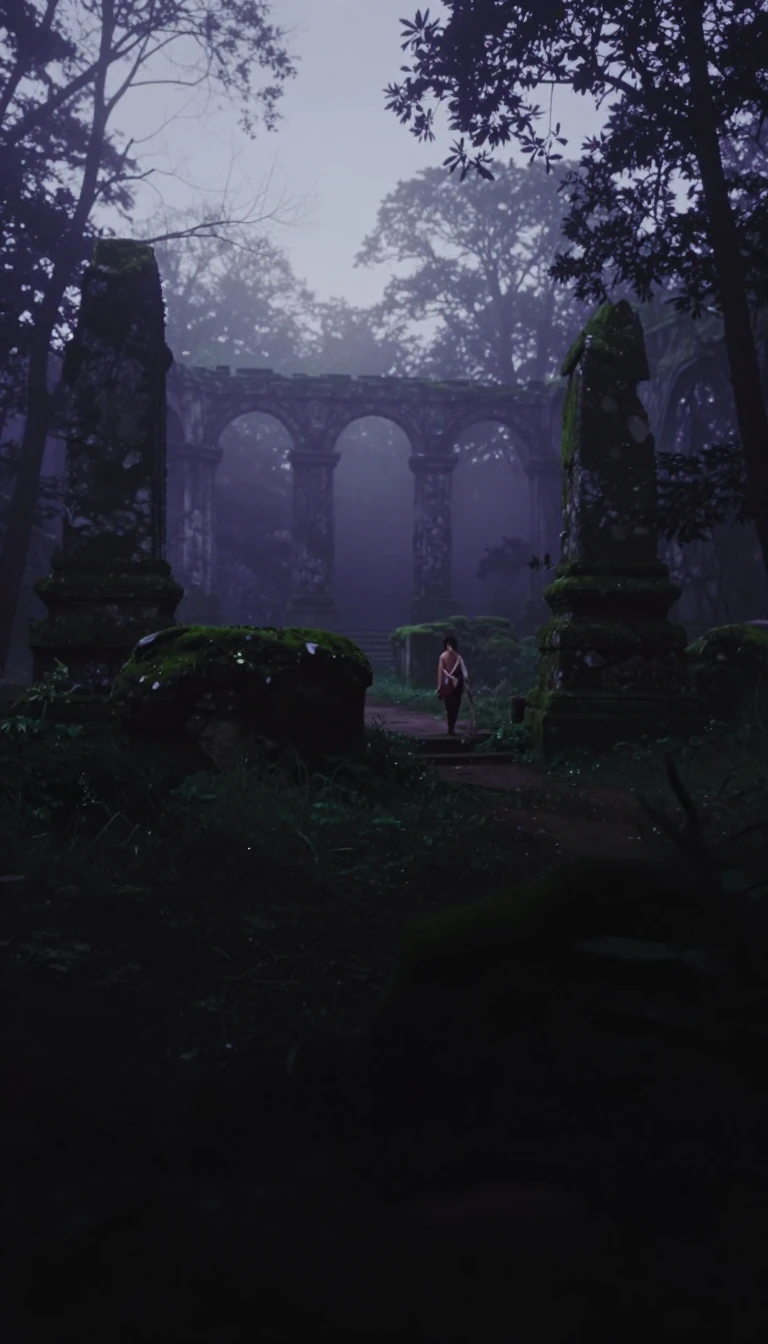
In short: Lepidodendron reached heights of 40 metres, yet these giants were closer to club mosses than modern timber. They lacked true roots and relied on thick bark for structural support rather than a woody core. Once their swampy habitats vanished, these strange, spore-bearing wonders disappeared from the Earth forever.
Thriving during the Carboniferous Period, roughly 359 to 299 million years ago, Lepidodendron was an arborescent lycopsid that reached impressive heights of up to 40 metres. While their stature and diameter—often reaching 2 metres—mimicked modern trees, their biological architecture was fundamentally different. Instead of a central mass of wood, these plants relied on a thick, sturdy outer bark to withstand wind. Their internal structure featured a slender strand of wood produced by a unifacial vascular cambium, a system that differs significantly from the bifacial cambium found in contemporary trees.
The life cycle of these plants was equally distinct. They began as unbranched trunks topped with long, thin leaves, only developing branches as they matured. As the plant grew, it shed its older leaves, leaving behind the characteristic diamond-shaped leaf bases that give the genus its name, which translates to scale tree. These plants did not possess true roots; instead, they utilized underground structures called Stigmaria, which were actually horizontally spreading, shoot-like branches covered in rootlets. They reproduced via spores, with some species producing spore-bearing cones at their branch tips, suggesting a life cycle that may have concluded after a single reproductive event.
Lepidodendron and its relatives, such as Lepidophloios and Bothrodendron, were essential components of the vast, peat-forming wetlands that defined the Early and Middle Pennsylvanian epochs, approximately 318 to 307 million years ago. Their existence was tied to these specific, humid environments. When these swampy ecosystems eventually receded and disappeared, the Lepidodendron lineage could not adapt and subsequently went extinct. Today, they remain a prominent feature of the fossil record, offering a glimpse into a prehistoric world where the dominant flora operated on biological principles entirely alien to the forests we recognize today.
Opens the Intellect+ feed with this card first. Swipe up for the next one.
Sources
- Summary by Intellect · source: Lepidodendron | Carboniferous, Lycopodiophyta, Tree-like | Britannica
- Also: Lepidodendron
To cite this card, link to https://intellectplus.co.uk/app/gardening-lepidodendron.
How we source, check and correct cards: Editorial standards.
General information, not professional advice. Spotted an error? Flag the card or see corrections and complaints.
Intellect Plus is a visual educational discovery platform for exploring fascinating facts and ideas. Brain Food, Not Brain Rot. What is Intellect Plus?
Related
More in Plants · More in Gardening · Latest · A–Z · All topics
