The 385-million-year-old tree that invented the modern forest as we know it
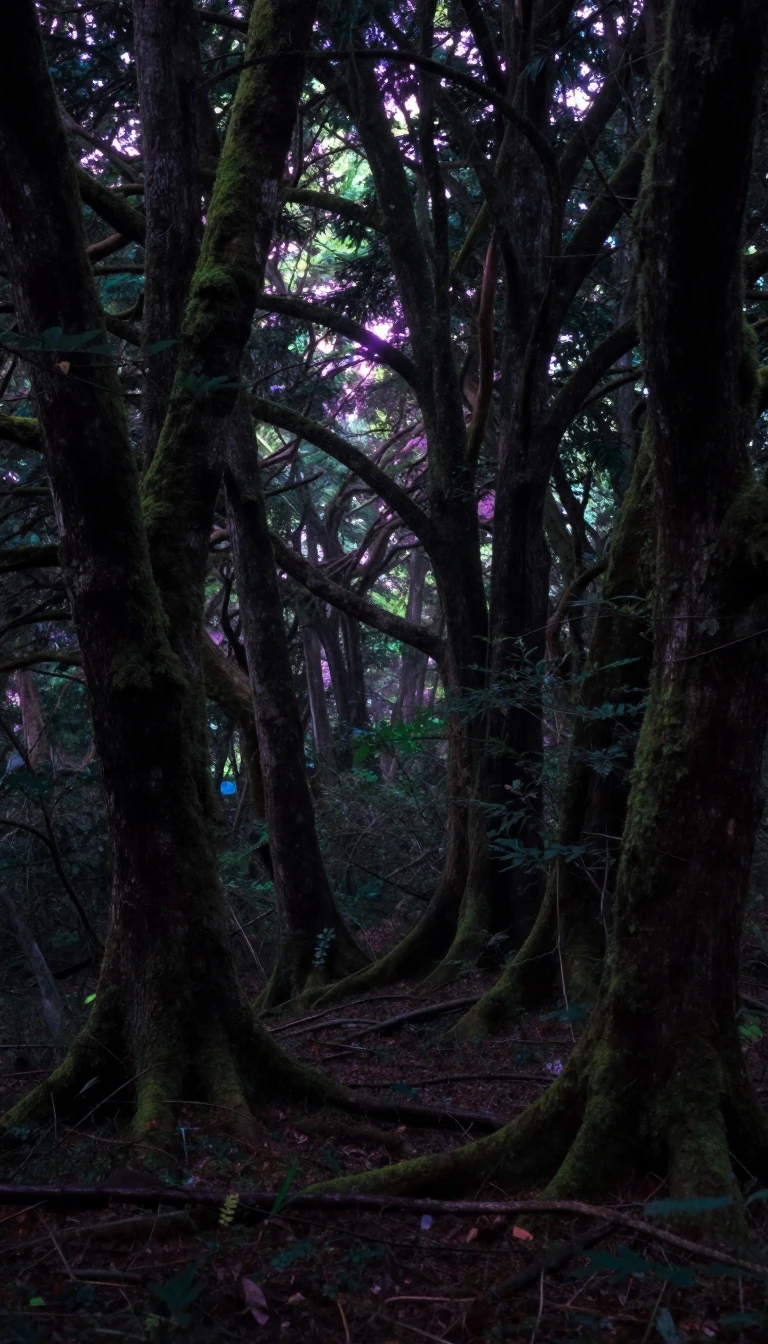
In short: Long before seed-bearing plants dominated the landscape, a genus called Archaeopteris revolutionized Earth. By evolving sophisticated, deep-reaching root systems and lumber-worthy trunks, these ancient trees transformed soil chemistry and ecosystems. They were the first to look and act like the modern trees in your own backyard today.
Archaeopteris was a dominant force during the Devonian period, thriving from approximately 385 million years ago until the Devonian/Carboniferous boundary. Often described as a 'modern tree' in ancient form, it bridged the evolutionary gap between primitive, spore-reproducing plants and later seed-bearing gymnosperms. While it reproduced via spores, its physical architecture—including flat, light-intercepting leaves and sturdy, branched trunks—mirrored the efficiency of contemporary oaks and maples.
The most striking discovery regarding Archaeopteris involves its root systems. Excavations at a site in Cairo, New York, revealed fossils of roots that splayed up to 18 feet from the trunk, digging deep into the soil. This was a radical departure from the shallow, spindly roots of earlier plants like Eospermatopteris. These expansive networks allowed Archaeopteris to grow taller and stronger, effectively anchoring the plant and maximizing its ability to exchange water and nutrients. This 'revolution' in rooting strategy likely enabled the genus to spread globally and dominate diverse habitats.
Beyond its structural innovations, Archaeopteris played a pivotal role in reshaping the planet's environment. Its leaf litter fed streams, influencing the evolution of freshwater fish and marine ecosystems, while its deep roots fundamentally altered soil chemistry. Some species reached heights of 24 meters, with trunks exceeding 1.5 meters in diameter. By the time it went extinct, Archaeopteris had permanently transformed Earth's climate and landscape, setting the stage for the forest ecosystems that define our world today.
The genus is characterized by four key evolutionary developments: a lateral branching syndrome, adventitious latent primordia, nodal zones for organ development, and wood anatomy that minimized mechanical stress. These features, observed in 370-million-year-old remains from Morocco, confirm that Archaeopteris was the earliest known modern tree. Its rapid, global expansion across all habitable land areas remains one of the most significant botanical shifts in Earth's history.
Opens the Intellect+ feed with this card first. Swipe up for the next one.
Sources
- Summary by Intellect · source: The World’s Oldest Forest Has 385-Million-Year-Old Tree Roots
- Also: Archaeopteris is the earliest known modern tree - Nature
- Also: Archaeopteris
To cite this card, link to https://intellectplus.co.uk/app/gardening-archaeopteris.
How we source, check and correct cards: Editorial standards.
General information, not professional advice. Spotted an error? Flag the card or see corrections and complaints.
Intellect Plus is a visual educational discovery platform for exploring fascinating facts and ideas. Brain Food, Not Brain Rot. What is Intellect Plus?
Related
More in Plants · More in Gardening · Latest · A–Z · All topics
