The ancient legume that was once feared as a wolf is now a superfood.
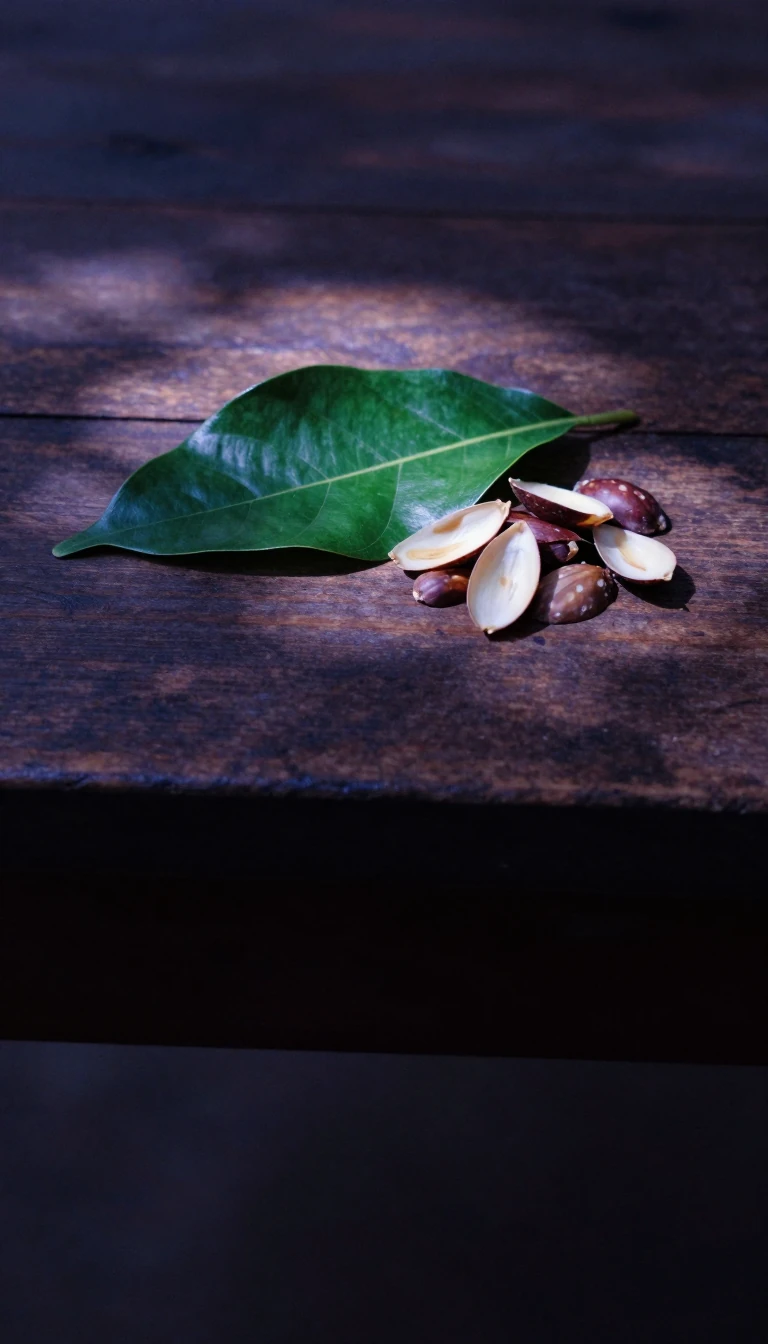
In short: Lupins have been cultivated for thousands of years, from Egyptian tombs to Incan empires. While their name stems from the Latin word for wolf, these nitrogen-fixing plants are actually garden heroes. Today, scientists are unlocking their potential as a sustainable, protein-rich alternative to soybeans, provided you handle them correctly.
The genus Lupinus, comprising between 200 and 500 species, has a history as complex as its taxonomy. While the Collins Dictionary suggests the name derives from the Latin 'lupus' because the plant was thought to exhaust the soil, this is likely a myth. Farmers have known since Roman times that lupins actually enrich the earth by fixing atmospheric nitrogen through a symbiotic relationship with Bradyrhizobium bacteria. A more accurate interpretation is that the plant's bitter, alkaloid-rich seeds were considered dangerous to livestock, much like a wolf.
These alkaloids, including sparteine and anagyrine, are the reason lupin seeds require careful preparation. Historically, cultures in the Mediterranean, North Africa, and the Andes soaked or pickled the seeds to remove toxicity before consumption. Despite this, the plant has been a staple for millennia; evidence of consumption appears in Egyptian tombs and among Natufian hunter-gatherers in the Western Galilee. In the late 20th century, interest in lupins as a food source saw a resurgence, particularly as a gluten-free, high-protein alternative to soybeans.
Modern agriculture has transformed the lupin's role. In the early 20th century, German scientists developed 'sweet' low-alkaloid varieties, making them safer for animal feed and human consumption. Today, Australia dominates the market, producing 85 percent of the world's commercially grown lupins. While they are prized for their ability to thrive in poor-quality soils, they are not without risks; they can cause allergic reactions in people sensitive to peanuts, and the fungus Diaporthe toxica can cause lupinosis in grazing animals. Nevertheless, as a prebiotic, protein-dense crop, the lupin remains a promising, if underutilized, global resource.
Opens the Intellect+ feed with this card first. Swipe up for the next one.
Sources
- Summary by Intellect · source: Lupinus
- Also: www.rhs.org.uk — Lupin (Lupinus) / RHS Plant Guide
To cite this card, link to https://intellectplus.co.uk/app/gardening-lupinus.
How we source, check and correct cards: Editorial standards.
General information, not professional advice. Spotted an error? Flag the card or see corrections and complaints.
Intellect Plus is a visual educational discovery platform for exploring fascinating facts and ideas. Brain Food, Not Brain Rot. What is Intellect Plus?
Related
More in Plants · More in Gardening · Latest · A–Z · All topics
