The ancient legume that is both a culinary delicacy and a potential neurotoxin
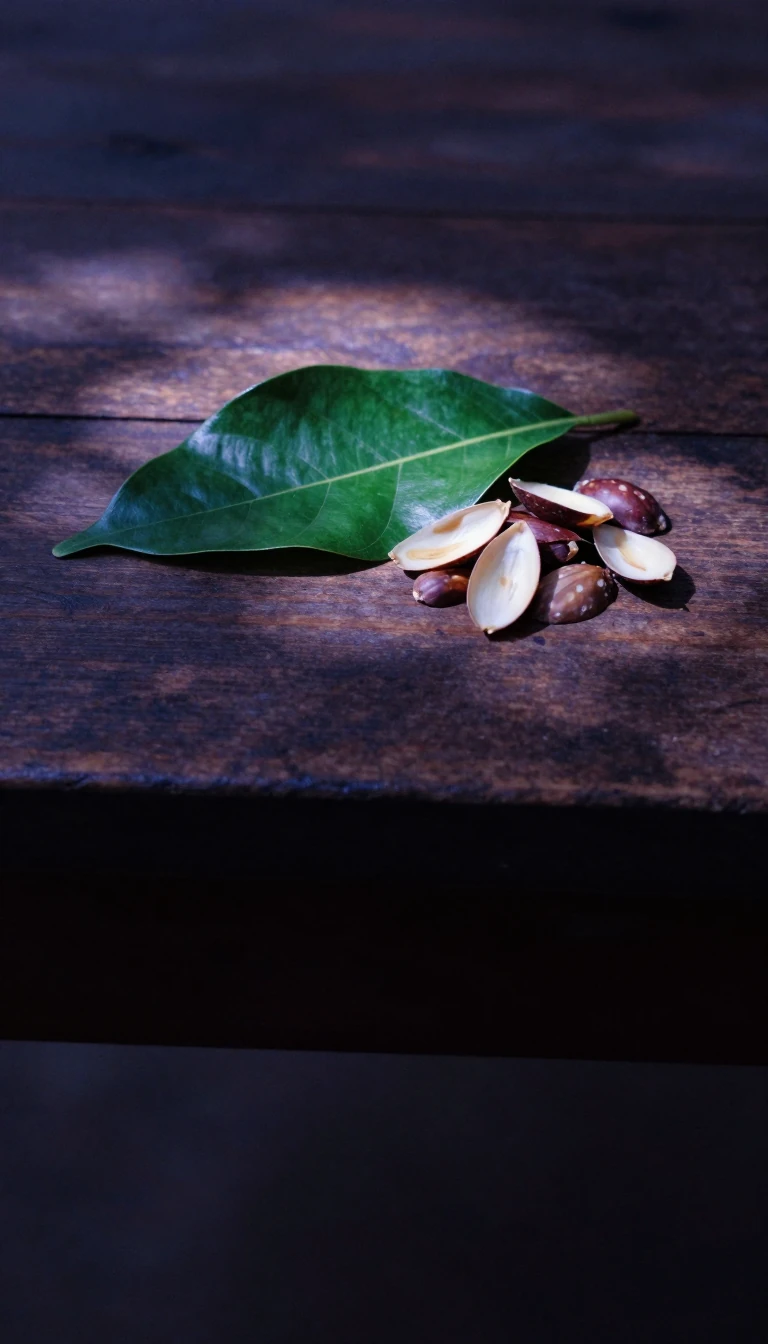
In short: Lupin beans have been a staple since the 22nd century BC, yet they remain a double-edged sword. While modern sweet cultivars offer a protein-rich, gluten-free alternative to soy, traditional bitter varieties require precise preparation to avoid severe alkaloid poisoning. Understanding this ancient crop is essential for modern nutrition.
Lupins are the seeds of the genus Lupinus, with a history stretching back to the 22nd century BC in ancient Egypt. Archaeological evidence from the Twelfth Dynasty confirms their early domestication, and they have since become a global food source. Today, they are cultivated across Australia, Europe, Russia, and the Americas, serving as green manure, livestock fodder, and an increasingly popular plant-based protein for human consumption.
The primary challenge with lupins lies in their alkaloid content. Bitter varieties, preferred by some Mediterranean cultures for their superior flavor, contain toxic compounds that can cause nervous system symptoms like dilated pupils, confusion, and tremors if not leached properly in water. Modern 'sweet' lupins have been bred to contain significantly lower levels of these toxins, often requiring no soaking. However, safety remains a concern; the German Federal Institute for Risk Assessment warns against home-debittering methods, as there is no guarantee they sufficiently reduce alkaloid levels to safe thresholds.
Beyond toxicity, lupins present a distinct allergen risk. They can trigger life-threatening anaphylaxis, particularly in individuals with peanut allergies due to cross-reactivity. Because lupin flour is increasingly used in breads, pasta, and even sauces, it can be a hidden danger in over-the-counter foods. With no current desensitization treatments, strict avoidance and carrying emergency medication are the only recommended precautions for those affected.
Nutritionally, raw lupins are a powerhouse, containing 36% protein and 10% fat. They are rich in manganese and folate, and their ability to grow in cooler climates makes them a viable cash crop alternative to soy. Despite their potential, as of 2020, only 4% of the global lupin harvest was consumed by humans, with the vast majority still utilized as high-protein livestock feed.
Opens the Intellect+ feed with this card first. Swipe up for the next one.
Sources
- Summary by Intellect · source: Lupin bean
To cite this card, link to https://intellectplus.co.uk/app/gardening-lupin-bean.
How we source, check and correct cards: Editorial standards.
General information, not professional advice. Spotted an error? Flag the card or see corrections and complaints.
Intellect Plus is a visual educational discovery platform for exploring fascinating facts and ideas. Brain Food, Not Brain Rot. What is Intellect Plus?
Related
More in Plants · More in Gardening · Latest · A–Z · All topics
