The ancient clubmoss that once simulated massive industrial explosions for scientific study
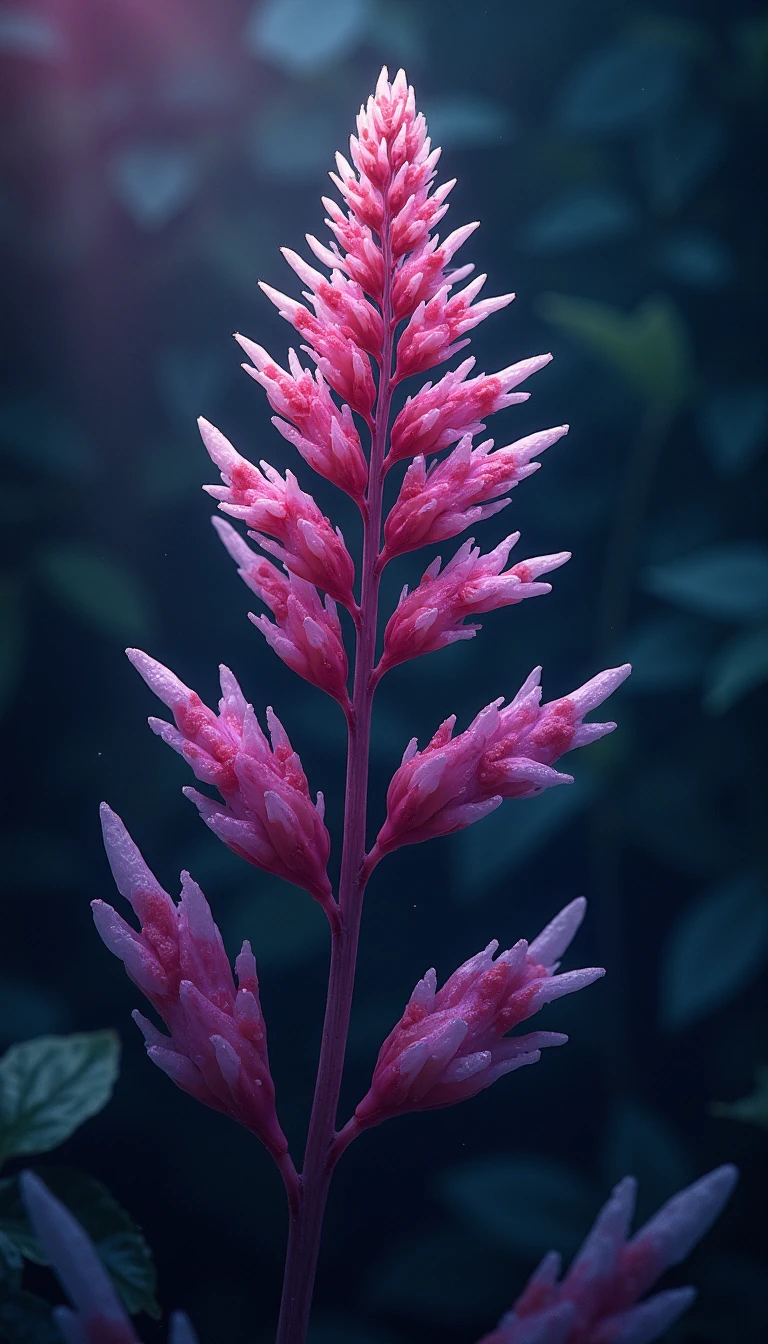
In short: Lycopodium, or clubmoss, is a primitive, flowerless plant that has existed for centuries. Beyond its botanical intrigue, its highly flammable spores have been used in everything from traditional medicine to chemical warfare testing and physics experiments. Discover the strange, dual life of this resilient, creeping ground pine.
Lycopodium, derived from the Greek for wolf and foot, represents a genus of vascular plants with a complex taxonomic history. First described by Carl Linnaeus in 1753, the genus has been subject to shifting classifications. While traditional models once grouped nearly all species within the family Lycopodiaceae under this single name, modern approaches, such as the 2016 Pteridophyte Phylogeny Group classification, recognize it as a narrower group containing between nine and 15 species. These plants are characterized by their creeping stems and microphyll leaves, which are arranged in spirals along branches that fork at regular intervals.
The plant's reproductive cycle is equally fascinating, involving an alternation between a spore-producing phase and a subterranean sexual stage. The fertile stems, which terminate in cone-like strobili, produce the spores that define the genus's common name: clubmoss. These spores are not merely biological curiosities; they are highly combustible. This property has led to their use in diverse and sometimes unexpected fields. Historically, lycopodium powder was utilized in scientific research to determine the molecular size of oleic acid and even served as a tool in chemical warfare test programs like Operation Dew.
Beyond the laboratory, the plant has a long history in traditional Austrian medicine, where it was used to treat conditions ranging from rheumatism to kidney disorders, though these medicinal claims remain unproven. Today, the genus includes species distributed globally, from the subcosmopolitan stag's-horn clubmoss to varieties found in the Andes and Hawaii. Whether viewed as an ancient botanical survivor or a volatile powder used to simulate grain elevator explosions, Lycopodium remains a subject of both scientific scrutiny and historical curiosity.
Opens the Intellect+ feed with this card first. Swipe up for the next one.
Sources
- Summary by Intellect · source: Lycopodium
To cite this card, link to https://intellectplus.co.uk/app/gardening-lycopodium.
How we source, check and correct cards: Editorial standards.
General information, not professional advice. Spotted an error? Flag the card or see corrections and complaints.
Intellect Plus is a visual educational discovery platform for exploring fascinating facts and ideas. Brain Food, Not Brain Rot. What is Intellect Plus?
Related
More in Plants · More in Gardening · Latest · A–Z · All topics
