Water lilies are ancient aquatic survivors that have shaped ecosystems for millions of years
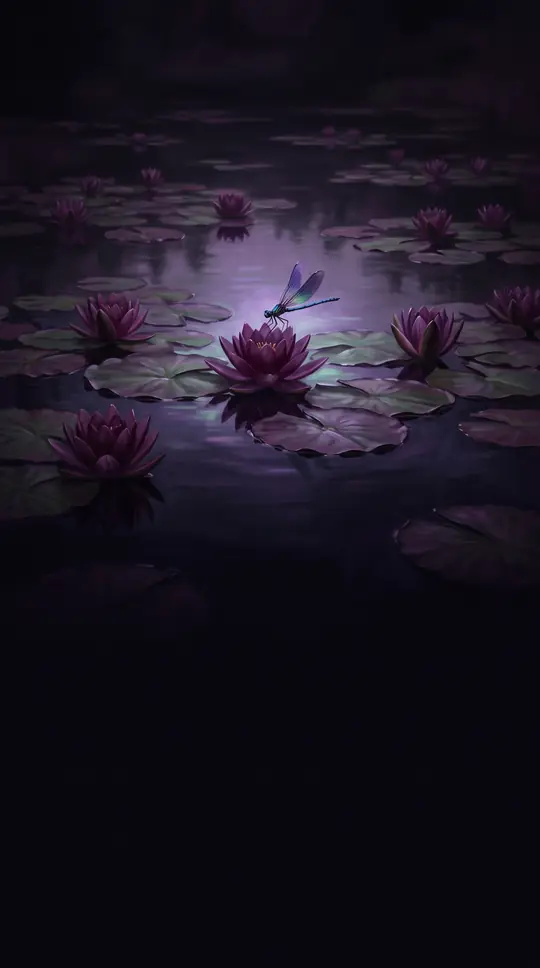
In short: Beyond their aesthetic grace in garden ponds, Nymphaeales are a vital evolutionary link in freshwater habitats. These aquatic plants range from tiny, fragile species to giants with leaves spanning two meters. They provide essential cover for wildlife, serve as historical food sources, and actively transform ponds into thriving swamps.
The order Nymphaeales, which includes the iconic water lily genus Nymphaea, comprises 74 species across three families: Nymphaeaceae, Cabombaceae, and the enigmatic Hydatellaceae. While they are prized globally for their showy flowers and floating foliage, their ecological role is far more profound. These plants are master engineers of their environments; by growing rapidly, they facilitate plant succession, effectively bridging the transition from open pond to swamp and eventually to wet prairie.
Physically, these plants are remarkably diverse. Some species, like the fanwort Cabomba, feature delicate leaves less than 0.3 cm in diameter, while others produce massive circular leaves reaching 2 meters across. Their survival strategies are equally varied. Many species utilize horizontal, creeping rhizomes to anchor themselves in stream or pond bottoms, while others reproduce vegetatively through runners or detachable plantlets. Their flowers, typically radially symmetrical, are usually insect-pollinated, though some species have evolved self-pollination or even wind-pollination mechanisms.
Despite their beauty, these plants possess a complex relationship with their surroundings. While they provide critical habitat for fish and birds, some species can become invasive, clogging waterways and displacing native flora. Furthermore, while parts of these plants have been consumed as food throughout history, they contain alkaloids like nupharin, rendering them toxic. This duality—as both a source of sustenance and a potential hazard—highlights the evolutionary success of a group that has adapted to thrive in quiet freshwater habitats across almost every corner of the globe.
Opens the Intellect+ feed with this card first. Swipe up for the next one.
Sources
- Summary by Intellect · source: Nymphaeales | Characteristics, Order, Families, Species, & Facts | Britannica
- Also: Nymphaea
To cite this card, link to https://intellectplus.co.uk/app/gardening-nymphaea.
How we source, check and correct cards: Editorial standards.
General information, not professional advice. Spotted an error? Flag the card or see corrections and complaints.
Intellect Plus is a visual educational discovery platform for exploring fascinating facts and ideas. Brain Food, Not Brain Rot. What is Intellect Plus?
Related
More in Plants · More in Gardening · Latest · A–Z · All topics
