The ancient black seed that has traveled from Egyptian tombs to modern kitchen spice racks
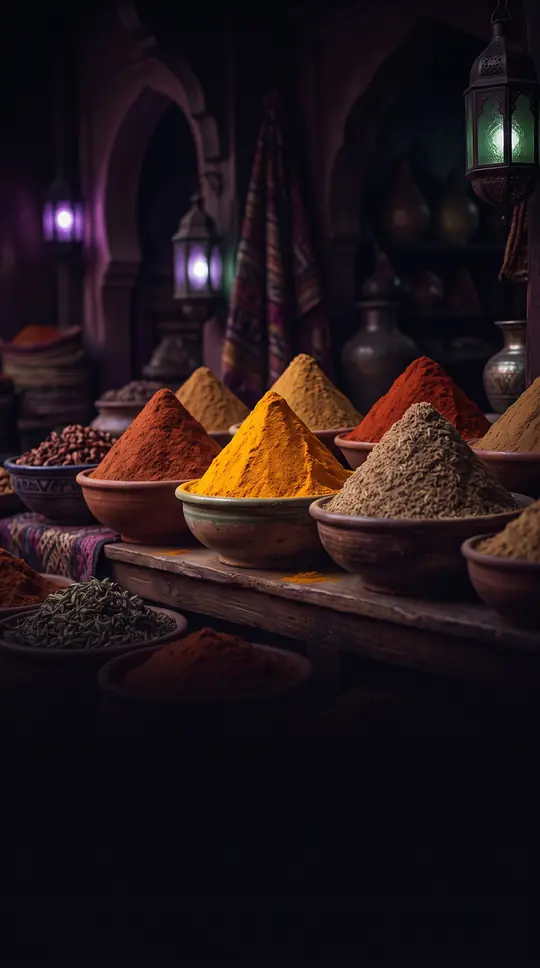
In short: Known by many names, from black caraway to kalonji, this unassuming annual flowering plant has been a culinary staple for three millennia. While its delicate blue and white petals grace gardens, its true value lies in the tiny, dark seeds hidden within its inflated fruit, which offer a distinct, aromatic seasoning.
Nigella sativa, a member of the Ranunculaceae family, is native to a region spanning from eastern Europe to West Asia. The plant typically reaches heights of 20 to 30 centimeters and produces finely divided leaves alongside its pale, multi-petaled flowers. Its name is derived from the Latin term for black, a nod to the dark seeds that develop inside its unique, multi-follicle capsule. These seeds have been cultivated for thousands of years, with archaeological findings confirming their presence in ancient Egyptian sites, including the tomb of Tutankhamun, and in Hittite vessels dating back to the second millennium BC.
Culinary traditions across the globe have long utilized these seeds to add depth to various dishes. In Bengali cooking, they are a key component of the five-spice blend known as panch phoron, while in Middle Eastern cuisine, they frequently season braided cheeses like majdouleh or flatbreads such as nân-e barbari. The seeds are often dry-roasted to enhance their flavor, making them a versatile addition to curries, vegetable dishes, and poultry. Beyond their culinary utility, the seeds are composed of 32% to 40% oil, containing a complex profile of fatty acids and aromatics like thymoquinone and carvacrol.
Historically, the plant has been integrated into traditional medicinal practices, with the physician Avicenna documenting its use for respiratory issues in his medical texts. However, modern scientific scrutiny suggests caution regarding these historical claims. While some research, including a 2016 review, suggests potential benefits for cholesterol and triglyceride levels, and a meta-analysis indicates a possible short-term reduction in blood pressure, current clinical evidence remains insufficient to support its use as a treatment for human disease. Consequently, the United States regulatory authorities categorize the plant as safe for consumption specifically as a flavoring or spice, rather than a medicinal supplement.
Opens the Intellect+ feed with this card first. Swipe up for the next one.
Sources
- Summary by Intellect · source: Nigella sativa
To cite this card, link to https://intellectplus.co.uk/app/gardening-nigella-sativa.
How we source, check and correct cards: Editorial standards.
General information, not professional advice. Spotted an error? Flag the card or see corrections and complaints.
Intellect Plus is a visual educational discovery platform for exploring fascinating facts and ideas. Brain Food, Not Brain Rot. What is Intellect Plus?
Related
More in Plants · More in Gardening · Latest · A–Z · All topics
