Why the world's most productive grain belts were once vast, wild, roaming frontiers
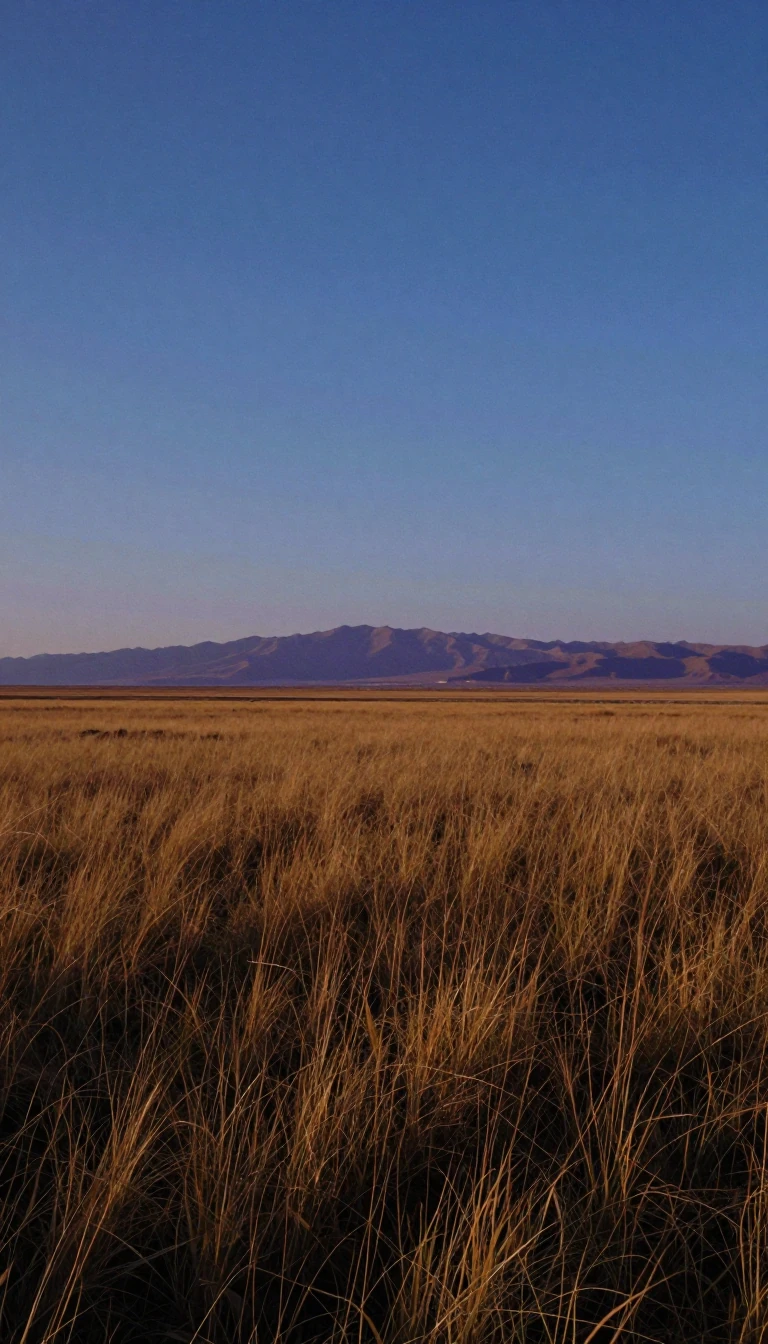
In short: Temperate grasslands, savannas, and shrublands are defined by their vast, tree-devoid expanses and temperate climates. Known globally as prairies, pampas, veld, or steppes, these biomes are more than just open fields. They are complex, biodiversity-rich ecosystems that have been fundamentally reshaped by human agriculture, turning wild landscapes into global breadbaskets.
Defined by the World Wide Fund for Nature, these biomes occupy a middle ground between semi-arid and semi-humid climates. While they are generally characterized by a lack of trees, exceptions exist near rivers and streams where riparian forests thrive. The vegetation varies significantly based on local rainfall; shortgrass prairies dominate semi-arid regions, while tallgrass prairies flourish in areas with higher precipitation. In contrast, temperate savannas feature widely spaced trees that prevent a closed canopy, creating a unique grassy woodland ecosystem that lacks the year-round warmth of tropical counterparts.
The ecological history of these regions is marked by the dramatic decline of large vertebrate migrations. Once, the vast grasslands of North America and Eurasia supported massive herds of bison, saiga, Tibetan antelopes, and kiang. Today, these natural spectacles are restricted to isolated pockets like the Tibetan Plateau and the Daurian Steppe. This decline is largely attributed to the conversion of native landscapes into agricultural land, particularly across the North American Great Plains and the Eurasian steppes, which now serve as some of the world's most productive grain-growing regions due to their rich soils and moderate rainfall.
Despite the heavy impact of human activity, these biomes remain biological powerhouses. A single three-acre patch of North American tallgrass prairie can host up to 300 distinct plant species and support over 3 million individual insects per acre. Other regions, such as the Patagonian Steppe, are recognized for their high level of taxonomic distinctiveness at the generic and familial levels. While some areas like heaths and pastures are maintained by human intervention preventing forest growth, the remaining wild grasslands offer a glimpse into the immense ecological complexity that once defined these expansive, temperate landscapes.
Opens the Intellect+ feed with this card first. Swipe up for the next one.
Sources
- Summary by Intellect · source: Temperate grasslands, savannas, and shrublands
To cite this card, link to https://intellectplus.co.uk/app/nature-temperate-grasslands-savannas-and-shrublands.
How we source, check and correct cards: Editorial standards.
General information, not professional advice. Spotted an error? Flag the card or see corrections and complaints.
Intellect Plus is a visual educational discovery platform for exploring fascinating facts and ideas. Brain Food, Not Brain Rot. What is Intellect Plus?
Related
More in Earth science basics · More in Nature · Latest · A–Z · All topics
