Why the Eurasian aspen is a master of survival and forest regeneration
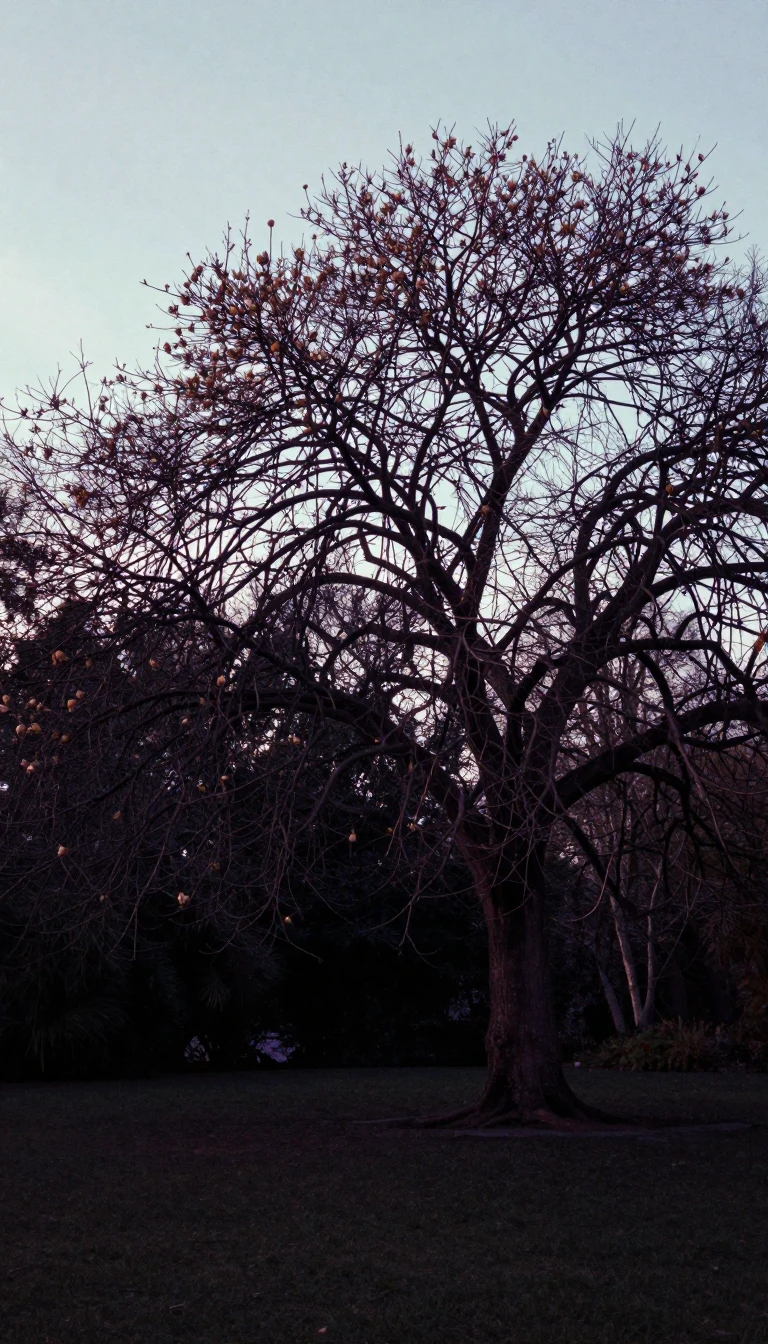
In short: The Eurasian aspen is a hardy, light-demanding tree that thrives from the Arctic Circle to North Africa. Known for leaves that tremble in the slightest breeze, this species is a master of clonal expansion, using an extensive root system to colonize landscapes long after the parent tree has vanished.
Populus tremula, or the Eurasian aspen, is a remarkably resilient deciduous tree native to a vast range spanning from Iceland and the British Isles to the mountains of North Korea and Japan. It is uniquely adapted to harsh climates, enduring long, cold winters and short summers with ease. Its scientific name reflects a distinct botanical feature: a laterally flattened leaf petiole that causes the foliage to quiver even when the wind is barely perceptible. This characteristic was famously noted in Gerard's 17th-century Herball, where it was colloquially dubbed 'langues de femmes'.
The tree's primary survival strategy is its aggressive clonal reproduction. It spreads through root sprouts, or suckers, which can emerge up to 40 metres from the parent. This makes the species a vigorous colonizer of open areas following fires or clear-cutting. Because these suckers can continue to sprout from the shallow lateral roots for years after surface growth is removed, the aspen is notoriously difficult to clear from unwanted areas. While individual trees can live for up to 200 years, they experience their most rapid growth phase before the age of 20, with growth rates typically peaking around 30 years.
Ecologically, the aspen is a powerhouse. It provides essential habitat for various birds and mammals that favor young forests, and it serves as a host for the hornet moth during its larval stage. Its wood is highly valued for its light, soft properties, making it a staple in the production of matches, plywood, and writing paper. Furthermore, due to its rapid regeneration and hardiness, it has become an important resource for renewable energy. The species is so robust that it is even resistant to browsing by fallow deer, as its foliage is considered unpalatable, ensuring its continued dominance in diverse ecosystems across the Old World.
Opens the Intellect+ feed with this card first. Swipe up for the next one.
Sources
- Summary by Intellect · source: Populus tremula
To cite this card, link to https://intellectplus.co.uk/app/gardening-populus-tremula.
How we source, check and correct cards: Editorial standards.
General information, not professional advice. Spotted an error? Flag the card or see corrections and complaints.
Intellect Plus is a visual educational discovery platform for exploring fascinating facts and ideas. Brain Food, Not Brain Rot. What is Intellect Plus?
Related
More in Plants · More in Gardening · Latest · A–Z · All topics
