The Caribbean royal palm is a towering giant that doubles as a forest pantry
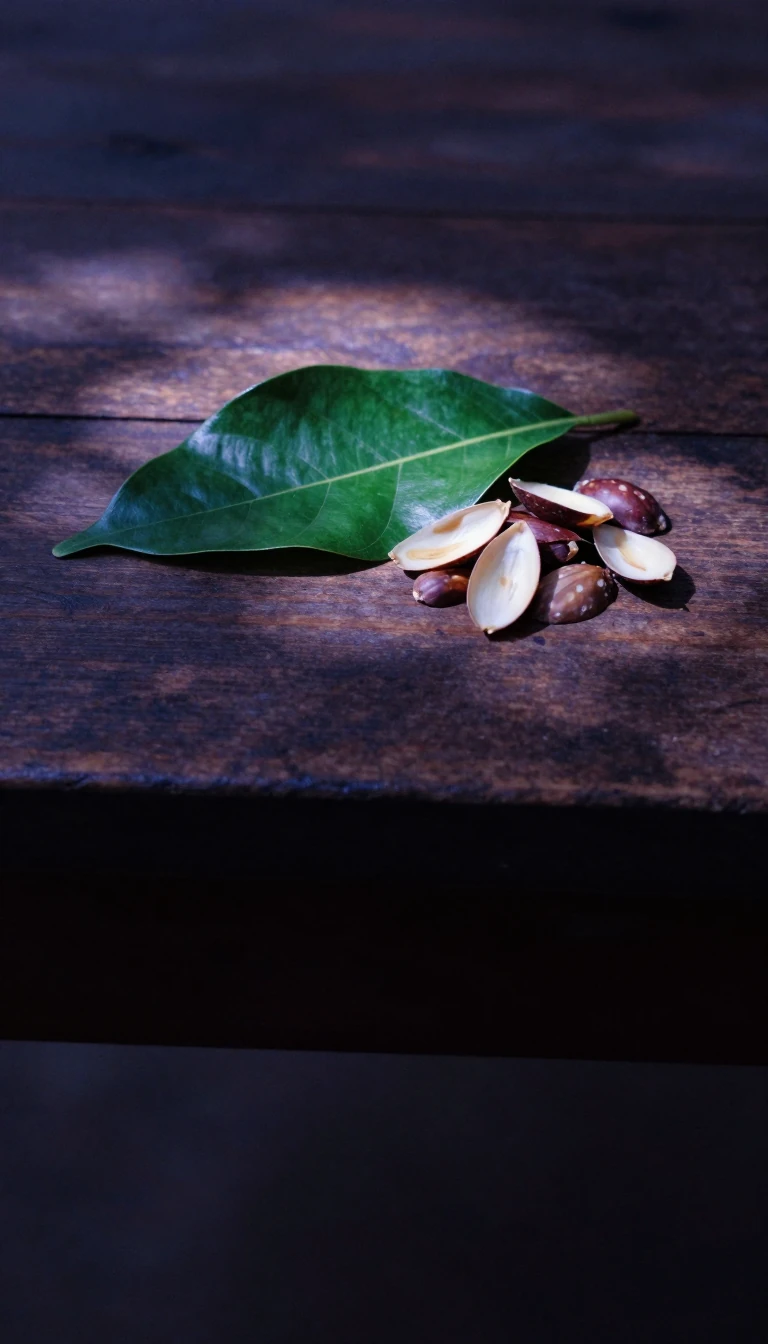
In short: Reaching heights of 40 meters, the Roystonea oleracea is a botanical titan native to the Caribbean and northern South America. Beyond its ornamental majesty, this palm has served as a vital food source for both wildlife and humans for centuries, with its edible buds and fermented sap.
Known by many names, including the imperial palm and cabbage palm, Roystonea oleracea is a striking species characterized by its grey, pillar-like stem and a vibrant green crownshaft. Its specific epithet, oleracea, hints at its historical utility as a food source, as the plant's terminal buds have long been harvested for consumption in the West Indies. Beyond the buds, historical accounts from the 18th century suggest that the palm's immature inflorescences were pickled and enjoyed as vegetables, while its sap could be fermented into alcohol.
The palm is not just a resource for people; it is a cornerstone of its native ecosystems. In the Nariva Swamp of Trinidad and Tobago, research conducted between 1995 and 1996 revealed that the palm's fruit serves as a crucial dietary staple for the orange-winged amazon parrot and the red-bellied macaw. During the latter half of the year, specifically from July through November, these fruits become the primary food source for these avian species, highlighting the tree's ecological significance in seasonally flooded environments.
Taxonomically, the species has a complex history of reclassification. First described by Nikolaus von Jacquin in 1763, it has moved through several genera, including Oreodoxa and Kentia, before being settled into Roystonea in 1901. Modern efforts to refine its classification have faced hurdles; as of 2008, molecular phylogenetic studies remained scarce, leaving the exact relationship between this species and its genus peers somewhat uncertain. Even within the species, attempts to define distinct varieties—such as those based on leaf angles observed in botanical gardens—have often been folded back into the typical variety by researchers like Scott Zona and Rafaël Govaerts, who found no consistent morphological differences to justify separate status.
Opens the Intellect+ feed with this card first. Swipe up for the next one.
Sources
- Summary by Intellect · source: Roystonea oleracea
To cite this card, link to https://intellectplus.co.uk/app/gardening-roystonea-oleracea.
How we source, check and correct cards: Editorial standards.
General information, not professional advice. Spotted an error? Flag the card or see corrections and complaints.
Intellect Plus is a visual educational discovery platform for exploring fascinating facts and ideas. Brain Food, Not Brain Rot. What is Intellect Plus?
Related
More in Plants · More in Gardening · Latest · A–Z · All topics
