Why these common garden wildflowers are actually sophisticated biological sensors for environmental radiation
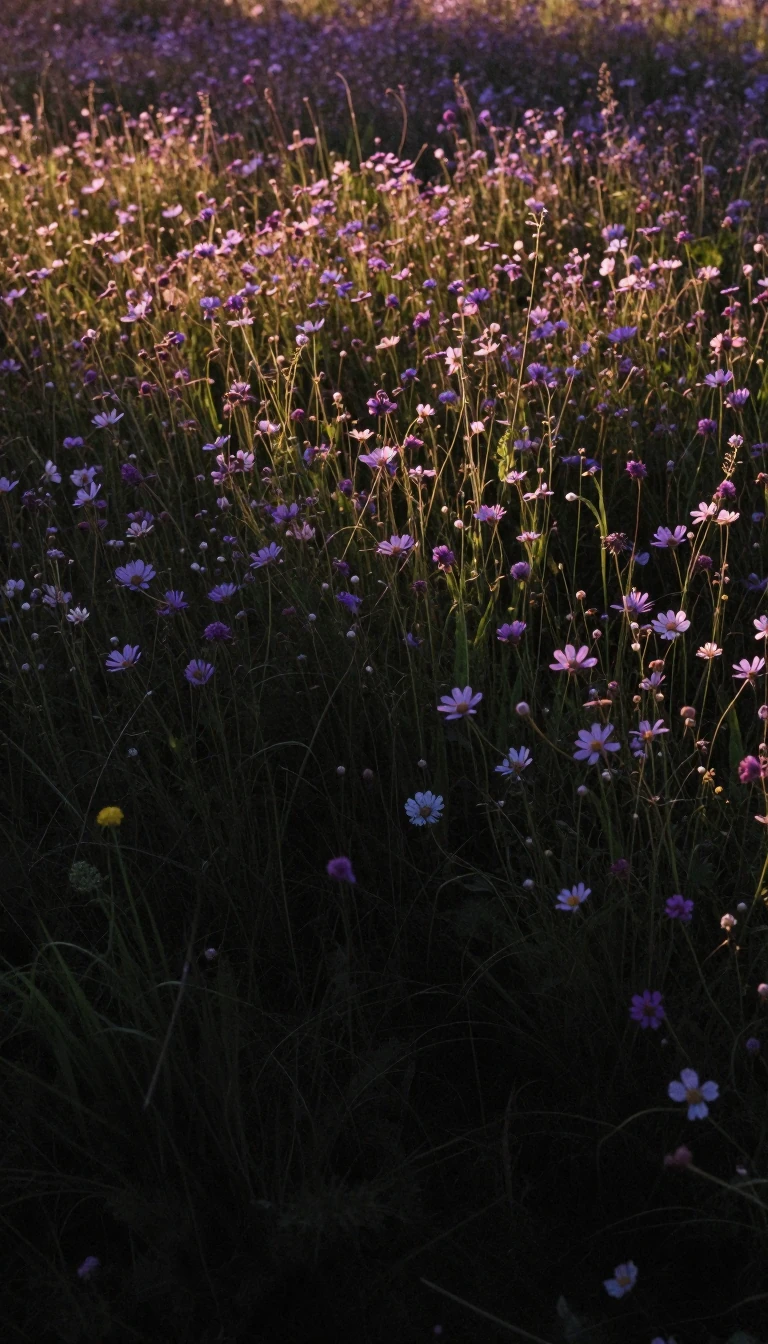
In short: Tradescantia are more than just resilient, fast-growing perennials. Beyond their popularity as ornamental houseplants and garden staples, these plants possess a unique biological sensitivity. Their stamen hairs can physically mutate when exposed to ionizing radiation, turning from blue to pink and serving as a rare, living bioassay for environmental pollutants.
The genus Tradescantia, named by Carl Linnaeus to honor English naturalists John Tradescant the Elder and his son, encompasses 86 recognized species native to the Americas. These herbaceous perennials, often called spiderworts or inchplants, have been cultivated in Europe since the 17th century. While they thrive in diverse habitats from Canadian prairies to northern Argentina, their utility extends far beyond aesthetics. Because of their unique chromosomal structure, they have become essential subjects for cytogenetic research and environmental monitoring.
The most striking feature of these plants is their role as a bioindicator. When exposed to ionizing radiation, such as gamma rays, or industrial pollutants like sulphur dioxide, the cells in the stamen hairs of certain species undergo a visible mutation. The normally blue cells shift to a distinct pink hue, providing a reliable, observable signal of ambient radiation levels. This natural sensitivity has made them a subject of intense study for scientists tracking environmental health and mutagenic risks.
Despite their scientific value, the genus presents a complex legacy. Some species, such as T. fluminensis, have become aggressive environmental weeds in regions like Australia and New Zealand due to their ability to propagate from tiny stem fragments. Furthermore, the common name 'wandering Jew'—derived from a Christian myth—has faced increasing scrutiny, with many now favoring alternatives like 'wandering dude' to avoid offensive connotations. Whether serving as a garden ornamental, an invasive pest, or a living radiation sensor, Tradescantia remains a plant of surprising scientific and cultural depth.
Opens the Intellect+ feed with this card first. Swipe up for the next one.
Sources
- Summary by Intellect · source: Tradescantia
- Also: www.rhs.org.uk — Tradescantia virginiana | common spiderwort
To cite this card, link to https://intellectplus.co.uk/app/gardening-tradescantia.
How we source, check and correct cards: Editorial standards.
General information, not professional advice. Spotted an error? Flag the card or see corrections and complaints.
Intellect Plus is a visual educational discovery platform for exploring fascinating facts and ideas. Brain Food, Not Brain Rot. What is Intellect Plus?
Related
More in Plants · More in Gardening · Latest · A–Z · All topics
