The Elm Family: Why These Resilient Yet Vulnerable Giants Shape Our Landscapes
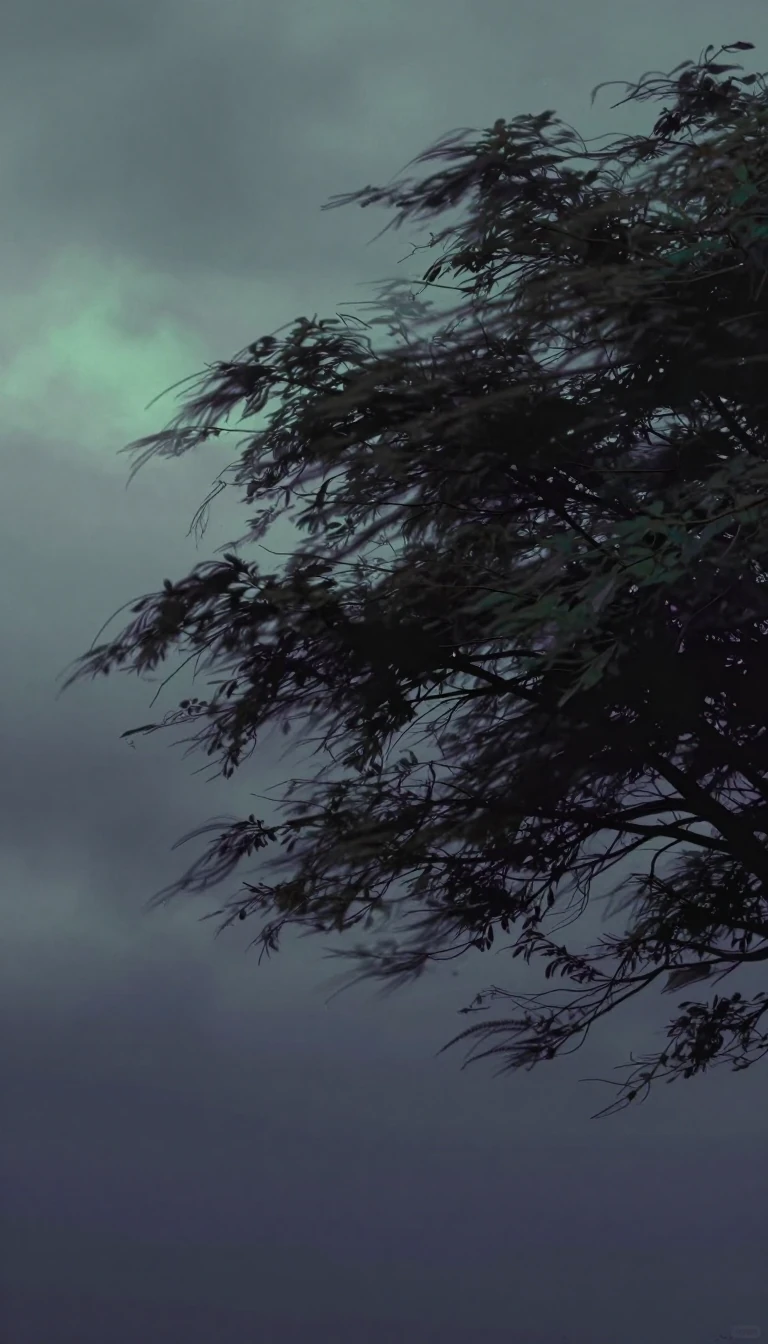
In short: The Ulmaceae family, home to the iconic elm, has long defined temperate forests and urban shade. Prized for their durable timber and elegant, lopsided foliage, these trees are now caught in a struggle against invasive pests and fungal pathogens that have fundamentally altered their presence across Europe and North America.
The Ulmaceae family comprises roughly six to seven genera and about 45 species of trees and shrubs. Primarily found in north temperate regions, these plants are characterized by simple, often asymmetrical leaves with toothed margins. Their reproductive strategy involves small, petalless flowers that emerge before the foliage, eventually producing a unique, winglike fruit known as a samara.
Beyond their aesthetic appeal as ornamental shade trees, members of this family have historically provided essential resources. Elm wood, valued for its durability even when submerged, has been a staple in the construction of boats, farm buildings, and fine furniture. Certain species, such as the slippery elm, possess a mucilaginous substance in their inner bark that has been used traditionally for medicinal poultices and as a thirst-quenching chew.
Despite their utility, the family faces severe biological threats. Dutch elm disease, a fungal infection transmitted by bark beetles, has decimated wild and cultivated populations throughout North America and Europe. This vulnerability is compounded by other pathogens like elm phloem necrosis and the invasive Asian longhorned beetle, which targets hardwood trees. Consequently, modern arboriculture emphasizes the selection of resistant strains to preserve these species.
The diversity within the genus Ulmus is vast, ranging from the towering American elm, which can reach heights of 30 metres, to the compact, drooping branches of the Camperdown elm. While some varieties like the Siberian elm are favored for their rapid growth and utility in windbreaks, their brittle wood highlights the trade-offs inherent in selecting these trees for landscape design. Understanding these botanical nuances is essential for anyone looking to cultivate these historic trees today.
Opens the Intellect+ feed with this card first. Swipe up for the next one.
Sources
- Summary by Intellect · source: Ulmaceae | Description & Major Species | Britannica
- Also: Ulmaceae
To cite this card, link to https://intellectplus.co.uk/app/gardening-ulmaceae.
How we source, check and correct cards: Editorial standards.
General information, not professional advice. Spotted an error? Flag the card or see corrections and complaints.
Intellect Plus is a visual educational discovery platform for exploring fascinating facts and ideas. Brain Food, Not Brain Rot. What is Intellect Plus?
Related
More in Plants · More in Gardening · Latest · A–Z · All topics
