The Wych Elm: A resilient, storied giant currently fighting for its survival
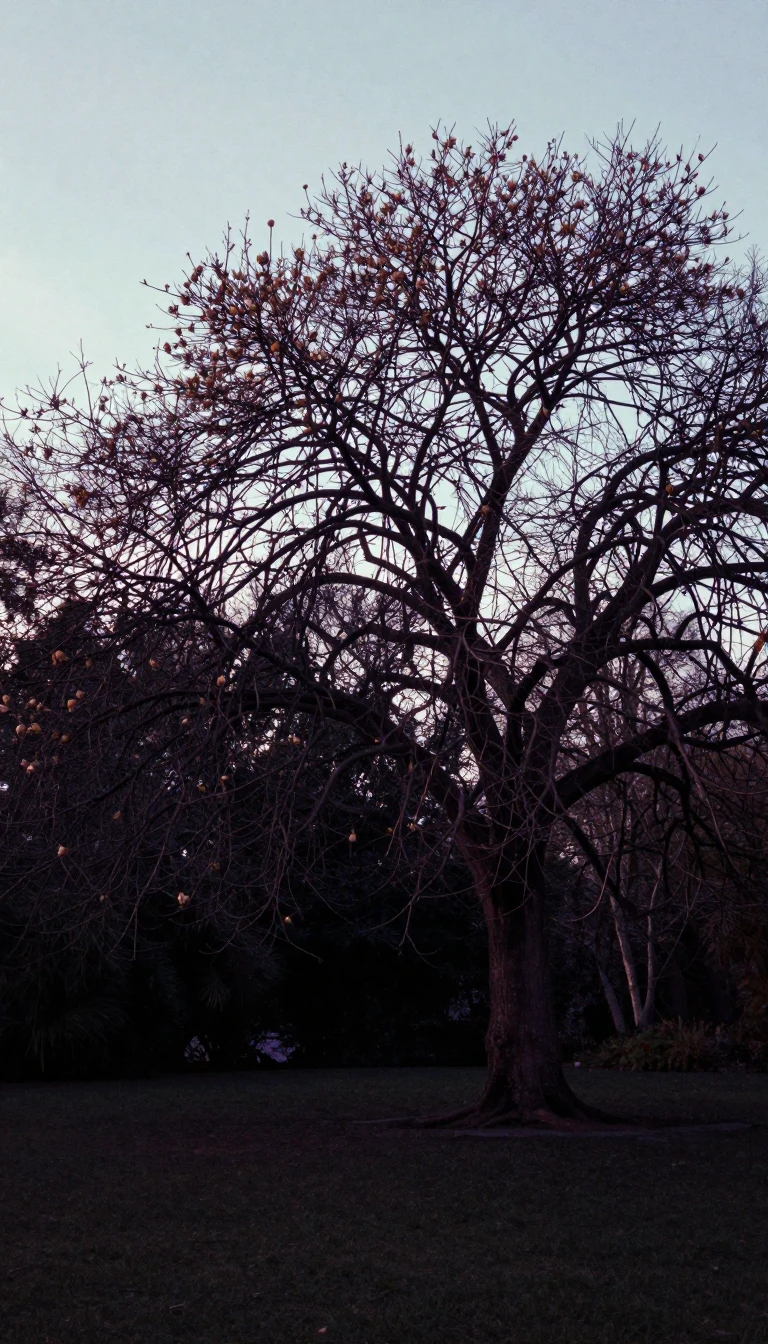
In short: The wych elm is the only indisputably native elm of the British Isles, stretching from Ireland to the Ural Mountains. Once a symbol of connection to the earth, this montane species is now battling Dutch elm disease, with its survival often relying on isolated pockets or human-led conservation efforts.
Ulmus glabra, known as the wych or Scots elm, is a hardy deciduous tree that thrives in moist, humid environments at altitudes up to 1,500 meters. Its name derives from the Old English word 'wice,' meaning pliant or supple, a trait reflected in its tough, flexible young shoots. Unlike many other elms, the wych elm does not produce root suckers, relying entirely on seed for natural reproduction. This limitation, combined with the consumption of seedlings by deer, has contributed to its decline across its native range.
The species faces a severe threat from Dutch elm disease (DED). While it is less attractive to the bark beetles that spread the pathogen compared to other elms, it remains highly susceptible. Research indicates that the tree's genetic diversity is limited, making natural evolution of resistance unlikely. In European trials, inoculated clones suffered up to 100% wilting. While some isolated populations, such as those discovered on Mount Šimonka in Slovakia in 1998, have remained healthy, these are believed to be protected by geographic isolation rather than innate immunity.
Beyond its ecological struggles, the wych elm holds a deep place in human culture. It was famously featured in E. M. Forster's novel 'Howards End' as a symbol of human connection to the land. Historically, the tree was also the subject of curious folklore and medicinal claims; in 18th-century France, its inner bark was touted as a panacea for everything from nerve issues to chest ailments. Today, the wood remains highly prized by craftsmen for its striking 'partridge-breast' grain and iridescent sheen, ensuring that while the living trees face an uncertain future, their legacy in art and history remains secure.
Opens the Intellect+ feed with this card first. Swipe up for the next one.
Sources
- Summary by Intellect · source: Ulmus glabra
To cite this card, link to https://intellectplus.co.uk/app/gardening-ulmus-glabra.
How we source, check and correct cards: Editorial standards.
General information, not professional advice. Spotted an error? Flag the card or see corrections and complaints.
Intellect Plus is a visual educational discovery platform for exploring fascinating facts and ideas. Brain Food, Not Brain Rot. What is Intellect Plus?
Related
More in Plants · More in Gardening · Latest · A–Z · All topics
