The African shea tree: a centuries-old source of nutrition and ritual
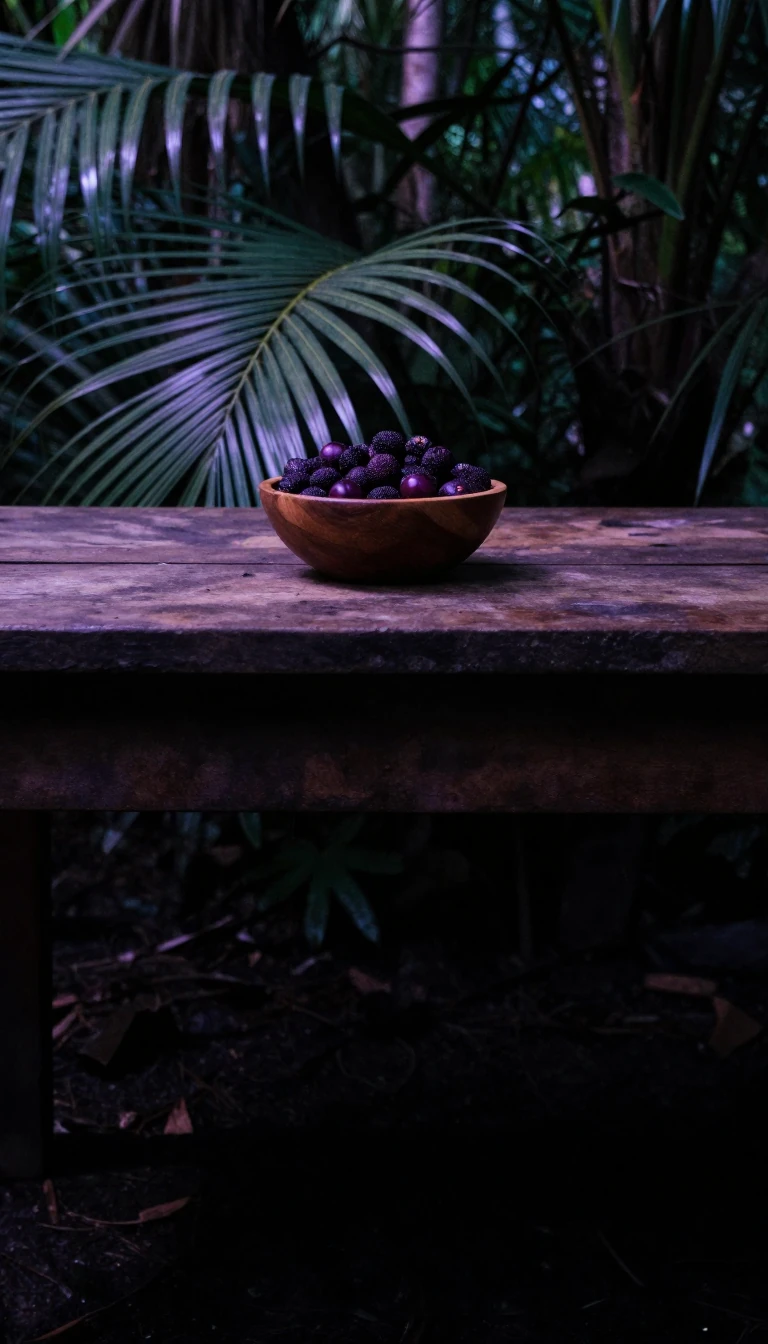
In short: Indigenous to the African savannah, the Vitellaria paradoxa is far more than a mere commodity. From providing essential dietary fats to holding mystical significance in Afro-Brazilian religions, this resilient tree supports entire ecosystems and cultures, offering a vital lifeline during the annual hungry season.
The shea tree, scientifically known as Vitellaria paradoxa, is a deciduous species native to the African dry savannah belt. Spanning over 5,000 kilometres from Senegal in the west to South Sudan and the Ethiopian highlands in the east, it thrives across 19 different countries. While it can reach heights of 25 metres, its true value lies in its fruit. The fruit consists of a tart, nutritious pulp surrounding an oil-rich seed. These seeds are processed into shea butter by roasting and pressing the kernels, followed by boiling, sieving, and cooling the resulting liquid.
This butter is a cornerstone of African life, serving as a major source of dietary fat, medicine, and food. In West African cultures like the Yoruba and within the Afro-Brazilian diaspora, the fruit is believed to possess mystical powers; in Brazil, it is used in food offerings for the Orishas. In Ghana and Nigeria, it is a key ingredient in African black soap, while in the Lango and Acholi cultures, it is used to enthrone traditional leaders. Even the city of Tamale in Northern Ghana derives its name from the Dagomba word for 'Home of Shea nuts'.
Beyond human utility, the tree supports a unique micro-ecosystem. The moth Cirina butyrospermi feeds exclusively on its leaves, and its protein-rich caterpillars are a traditional food source. The tree is also a long-term investment for land care; it begins bearing fruit between 10 and 15 years of age, reaches full production by 20 to 30 years, and can continue to produce nuts for up to 200 years. This longevity makes it a vital tool for rural development and food security during the annual hungry season.
Opens the Intellect+ feed with this card first. Swipe up for the next one.
Sources
- Summary by Intellect · source: Vitellaria
To cite this card, link to https://intellectplus.co.uk/app/gardening-vitellaria.
How we source, check and correct cards: Editorial standards.
General information, not professional advice. Spotted an error? Flag the card or see corrections and complaints.
Intellect Plus is a visual educational discovery platform for exploring fascinating facts and ideas. Brain Food, Not Brain Rot. What is Intellect Plus?
Related
More in Plants · More in Gardening · Latest · A–Z · All topics
