Beyond Western Medicine: The Indigenous Frameworks of Holistic Wellbeing
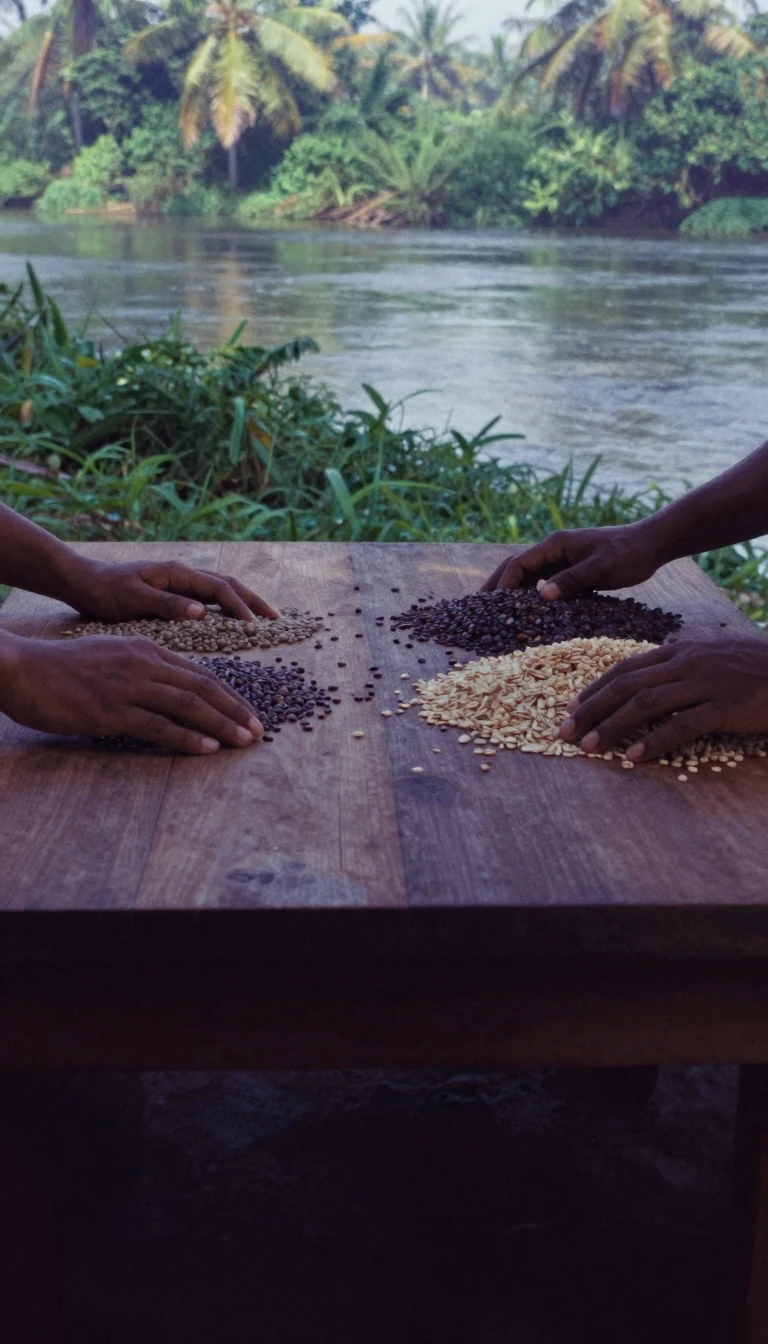
In short: Western healthcare often treats health as a series of isolated symptoms to be managed individually. However, Indigenous models from Turtle Island and Moananuiākea suggest a different reality: health is not a personal checklist, but a collective, spiritual, and ecological harmony that connects people to their ancestors and the land.
A systematic scoping review identified 33 manuscripts detailing Indigenous-developed frameworks for wellbeing. These models contrast sharply with Western approaches, which tend to individualize and compartmentalize health. Instead, Indigenous ontologies emphasize holistic integration, where health is inseparable from spirituality, the presence of ancestors, and the preservation of cultural traditions. This shift moves the focus from 'fixing' a person to supporting 'ecological thriving.' The review analyzed 33 manuscripts to synthesize these perspectives. Researchers utilized qualitative methods in over half of the included studies. These findings aim to inform more equitable public health practices. The study specifically looked at frameworks developed by Indigenous authors for their own families and communities.
Central to these frameworks is the concept of relationality—the idea that wellbeing is tied to reciprocal relationships with the land. For many communities, the land is not just a resource but a primary source of identity and responsibility. The research highlights seven key themes in these models, including the use of place-specific metaphors and the pursuit of self-determination. These frameworks are not merely theoretical; they are calls for tangible applications in global health systems to address persistent disparities caused by colonial structures. The research identifies empowerment as a core component of these models. It also highlights the importance of using specific Indigenous language. These frameworks advocate for a shift toward tangible applications in current systems. The goal is to address the disparities created by Western health practices.
The study, which analyzed 21 publications from Moananuiākea and 12 from Turtle Island, underscores a move toward decolonial theory. By centering collective wellbeing and the ongoing presence of ancestors, these models offer a path toward more culturally safe public health. The goal is to move beyond conceptual discussion and into practical health systems that recognize the deep interconnectedness of human, spiritual, and environmental health. The scoping review identified 1,473 database references before narrowing the selection. It specifically examined models from North America and the Pacific. The findings suggest that future research must prioritize moving these theories into active practice. This work serves as a foundation for decolonial theory-development.
Opens the Intellect+ feed with this card first. Swipe up for the next one.
Sources
- Summary by Intellect · source: A systematic scoping review for decolonial public and global health: Indigenous frameworks and models of wellbeing from Turtle Island and Moananuiākea.
- Also: Alutiiq
To cite this card, link to https://intellectplus.co.uk/app/health-alutiiq.
How we source, check and correct cards: Editorial standards.
General information, not professional advice. Spotted an error? Flag the card or see corrections and complaints.
Intellect Plus is a visual educational discovery platform for exploring fascinating facts and ideas. Brain Food, Not Brain Rot. What is Intellect Plus?
Related
More in History of medicine · More in Health · Latest · A–Z · All topics
