Can cannabis edibles effectively manage chronic pain, or is the science still hazy?
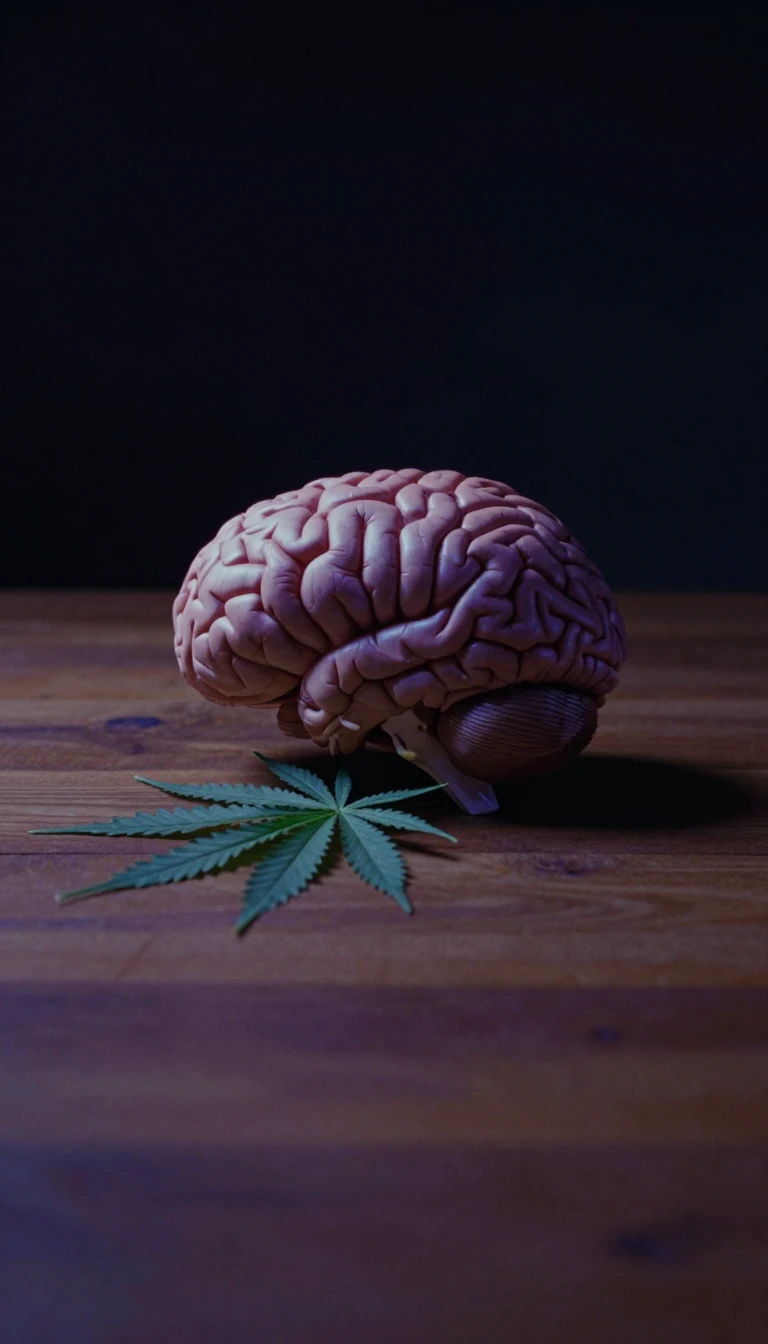
In short: Cannabis edibles offer a distinct alternative to smoking, but their effects on pain remain complex. While THC-dominant products show promise for reducing daily pain intensity, the interaction between THC and CBD suggests that higher doses of CBD might actually diminish the therapeutic impact of THC in certain contexts.
Cannabis edibles, which contain decarboxylated cannabinoids, offer a different physiological experience than inhaled cannabis. While smoking delivers cannabinoids to the bloodstream in minutes, edibles require digestion, often taking hours to reach peak effect, which can persist for approximately six hours. This delayed onset, combined with variations in individual metabolism, poses risks for inexperienced users who may consume additional doses prematurely. Beyond recreational use, these products are increasingly studied for medical applications, including the management of muscle spasms, inflammation, and chronic pain.
A recent study of 243 adults with chronic low-back pain examined the efficacy of various edible formulations. Participants using THC-dominant or THC-plus-CBD products reported significantly lower pain intensity on days of use compared to days without. Notably, only those consuming products with relatively equal amounts of THC and CBD experienced a significant longitudinal decrease in pain over a 14-day period. However, the relationship is nuanced; while increasing doses of THC were associated with lower pain, increasing doses of CBD appeared to attenuate this effect, suggesting a complex interplay between the two compounds.
Public health policy continues to grapple with these products. In Canada, where edibles were legalized for non-medical use in October 2019, regulations cap THC at 10 mg per package to prevent overconsumption. Research indicates that while these regulated products satisfy about 65% of consumers, a significant 35% segment prioritizes higher potency levels currently unavailable on the legal market. This creates a policy tension: regulators must balance the safety benefits of strict THC limits against the risk that overly restrictive caps may drive consumers toward unregulated, potentially less safe sources. As the market evolves, understanding these consumer preferences and the pharmacological nuances of cannabinoid ratios remains critical for both public health and clinical practice.
Opens the Intellect+ feed with this card first. Swipe up for the next one.
Sources
- Summary by Intellect · source: Lower Pain Intensity Is Associated with the Use of Recreational Edible Cannabis Products Containing Delta-9-Tetrahydrocannabinol: A Secondary Analysis in Adults Self-Managing Their Chronic Low Back Pain.
- Also: Cannabis edible
- Also: Exploring consumer preferences for cannabis edible products to support public health policy: A discrete choice experiment.
To cite this card, link to https://intellectplus.co.uk/app/health-cannabis-edible.
How we source, check and correct cards: Editorial standards.
General information, not professional advice. Spotted an error? Flag the card or see corrections and complaints.
Intellect Plus is a visual educational discovery platform for exploring fascinating facts and ideas. Brain Food, Not Brain Rot. What is Intellect Plus?
Related
More in Health, medicine and disease · More in Health · Latest · A–Z · All topics
