Why your body reacts to cannabis in ways that remain scientifically unpredictable
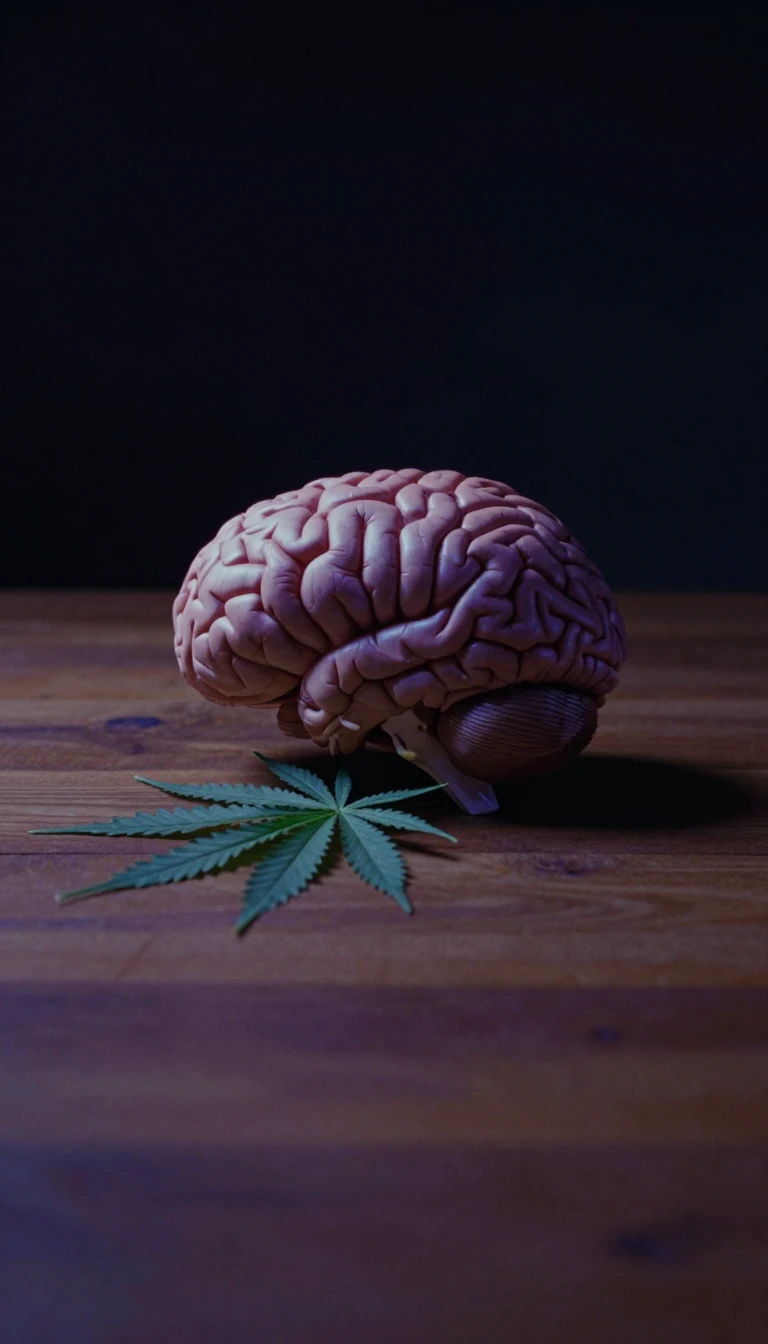
In short: Cannabis interacts with a sophisticated internal network called the endocannabinoid system, which regulates mood, memory, and appetite. When external cannabinoids like THC enter the body, they over-activate these receptors, triggering a wide range of effects that vary wildly based on your genetics, age, and how the substance is consumed.
The primary psychoactive component of the Cannabis sativa plant is delta-9-tetrahydrocannabinol (THC). When consumed, THC binds to cannabinoid receptors found throughout the body, including the brain. This interaction is not uniform; because individuals possess unique biological profiles, the resulting experience—ranging from euphoria to anxiety—can differ significantly between people, and even between separate sessions for the same user. While THC is the most well-known cannabinoid, the plant contains hundreds of others, such as cannabidiol (CBD), which lacks psychoactive properties and is being studied for potential benefits in managing epilepsy and inflammation.
The method of consumption dictates how quickly these chemicals reach the brain. Smoking allows THC to enter the bloodstream almost immediately, whereas edibles are absorbed much more slowly, typically taking between 30 minutes and an hour. This delay can lead to higher doses being ingested, which is a growing concern regarding accidental poisoning in children. Furthermore, because cannabinoids are lipophilic, they are stored in body fat, resulting in a long elimination half-life compared to other substances. This means that while the immediate psychotropic effects may fade, traces can remain detectable in drug tests for weeks or even months in long-term users.
Long-term use is associated with several health risks, including potential impacts on brain development in adolescents, respiratory damage from smoking, and an increased risk of cannabis use disorder. There is also evidence linking frequent use to a higher risk of psychosis in vulnerable individuals. Despite these findings, the scientific community remains cautious about making broad claims regarding the plant's medical utility. Research is ongoing, and because cannabis products are often unregulated, they may contain contaminants or cannabinoid concentrations that differ drastically from their labels, complicating efforts to establish consistent medical guidelines.
Opens the Intellect+ feed with this card first. Swipe up for the next one.
Sources
- Summary by Intellect · source: What Does Marijuana Do to Your Body?
- Also: Effects of cannabis
To cite this card, link to https://intellectplus.co.uk/app/history-effects-of-cannabis.
How we source, check and correct cards: Editorial standards.
General information, not professional advice. Spotted an error? Flag the card or see corrections and complaints.
Intellect Plus is a visual educational discovery platform for exploring fascinating facts and ideas. Brain Food, Not Brain Rot. What is Intellect Plus?
Related
More in Empires & civilisations · More in History · Latest · A–Z · All topics
