The nonpsychoactive compound that modulates the brain's internal signaling
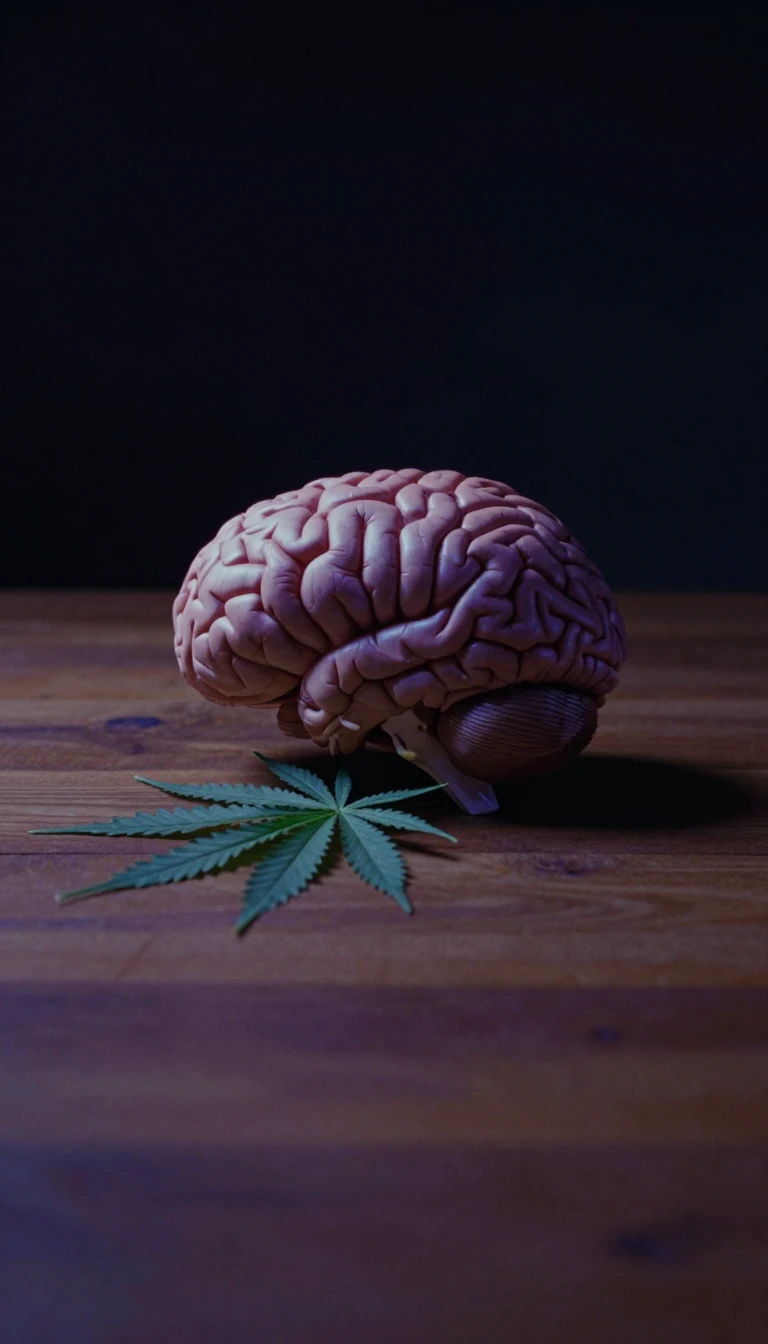
In short: Cannabidiol (CBD) is often mistaken for a simple recreational trend, but its chemistry is far more nuanced. Unlike THC, it doesn't produce a high; instead, it interacts with complex receptors to potentially dampen neural overactivity and alter how our bodies process pain and anxiety.
Discovered in 1940, CBD is one of 113 identified cannabinoids found in cannabis plants like Cannabis sativa and C. indica. While it can account for up to 40% of a plant's extract, its primary distinction from THC lies in its nonpsychoactive properties. Rather than binding directly to the main active site of cannabinoid (CB) receptors, CBD acts indirectly by binding to adjacent sites. This interaction allows it to modulate the effects of THC, potentially reducing psychoactivity while simultaneously enhancing certain side effects.
The biological mechanism of CBD is still being mapped, but research suggests it reduces resting-state activity in multiple brain regions. This reduction may help normalize pain receptor activity and decrease anxiety-related neural signaling. Furthermore, CBD has been shown to dampen overactive neuronal stimulation caused by lysophosphatidylinositol, a molecule involved in seizures. Because of these specific actions, the FDA approved Epidiolex in 2018 as an oral formulation for treating rare childhood epilepsy disorders, including Dravet syndrome and Lennox–Gastaut syndrome.
Despite its widespread presence in oils, gummies, and topicals, the market is fraught with complexity. Many over-the-counter products lack quality control, sometimes containing heavy metals or lacking the advertised CBD content entirely. Furthermore, heating CBD to temperatures between 250–300 °C can trigger a chemical conversion into THC. While generally well-tolerated, users may experience side effects like drowsiness or gastrointestinal upset, and animal studies indicate potential toxicity to the male reproductive system.
Opens the Intellect+ feed with this card first. Swipe up for the next one.
Sources
- Summary by Intellect · source: Cannabidiol | Description, Actions, Uses, Legality, & Side Effects | Britannica
- Also: Cannabidiol
To cite this card, link to https://intellectplus.co.uk/app/culture-cannabidiol.
How we source, check and correct cards: Editorial standards.
General information, not professional advice. Spotted an error? Flag the card or see corrections and complaints.
Intellect Plus is a visual educational discovery platform for exploring fascinating facts and ideas. Brain Food, Not Brain Rot. What is Intellect Plus?
Related
More in Clothing and fashion · More in Cultures · Latest · A–Z · All topics
