The chemical dance that saved dinosaur eggs from dissolving
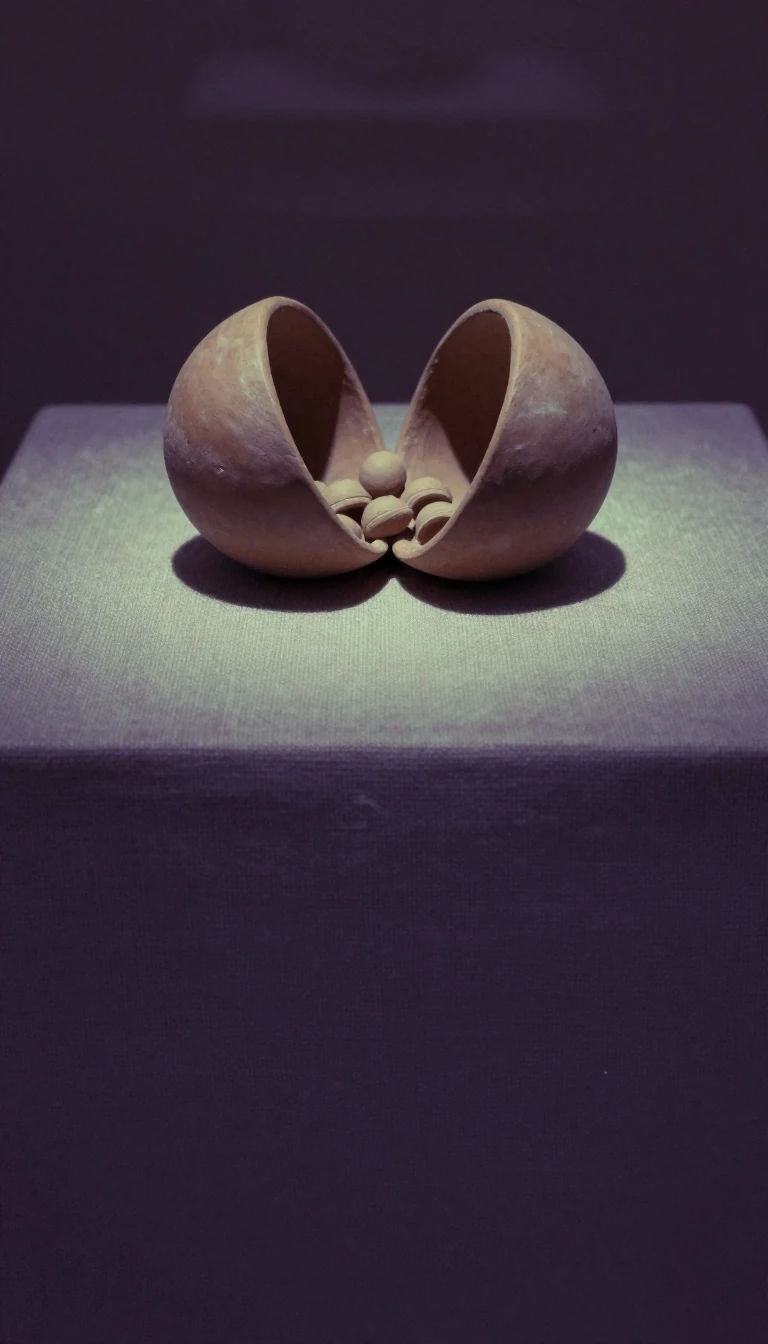
In short: In the acidic soils of the Late Cretaceous, dinosaur eggshells should have vanished. Instead, they survived. This preservation wasn't a fluke of geology, but a precise chemical interaction between prehistoric life forms that allowed delicate fossils to endure for 75 million years.
The Dinosaur Park Formation in southern Alberta provides a rare window into the nesting habits of hadrosaurs. While remains of juvenile hadrosaurs—including dentaries, limb bones, and vertebral centra—are relatively common in specific bonebeds like 50, actual eggshells are incredibly rare. They are only found in two distinct microfossil sites within the formation, which are characterized by high concentrations of shelled invertebrates like pisidiid clams, unionid clams, and snails. These young specimens were often buried near their original locations, showing little to no signs of transport abrasion. Researchers have identified specific productive sources for these remains, such as bonebeds 23, 28, 47, and 50. Interestingly, these juvenile bones are not typically found in direct association with the eggshell fragments.
The preservation of these sub-centimeter fragments of pebbly-textured eggshell is a result of a specific geochemical mechanism. Naturally occurring acids in the environment would typically dissolve calcium carbonate, erasing the evidence of nesting. However, the presence of the aforementioned clams and snails provided a solution. As these invertebrate shells slowly dissolved, they released enough basic calcium carbonate into the surrounding sediment to neutralize the acidity, effectively creating a protective chemical buffer for the hadrosaur eggshells.
This discovery highlights the complexity of the fossil record, where the presence of one species can dictate the preservation of another. While hadrosaurs are known to have nested in both upland and lowland environments, the specific factors—ranging from soil conditions to competition—remain debated. For now, the chemistry of the seabed and shoreline remains the primary reason we can glimpse their reproductive history. The formation's sediments were originally formed by rivers flowing toward the Bearpaw Sea. This area also contains diverse remains of fish, turtles, and crocodilians. Additionally, the site features a distinct transition between different faunas, such as the replacement of Corythosaurus by Lambeosaurus.
Opens the Intellect+ feed with this card first. Swipe up for the next one.
Sources
- Summary by Intellect · source: Dinosaur Park Formation
- Also: PloS one — A ceratopsid-dominated tracksite from the Dinosaur Park Formation (Campanian) at Dinosaur Provincial Park, Alberta, Canada. · CC BY
To cite this card, link to https://intellectplus.co.uk/app/health-dinosaur-park-formation.
How we source, check and correct cards: Editorial standards.
General information, not professional advice. Spotted an error? Flag the card or see corrections and complaints.
Intellect Plus is a visual educational discovery platform for exploring fascinating facts and ideas. Brain Food, Not Brain Rot. What is Intellect Plus?
Related
More in Bones & muscles · More in Health · Latest · A–Z · All topics
