Nature's master engineers build complex structures from raw minerals
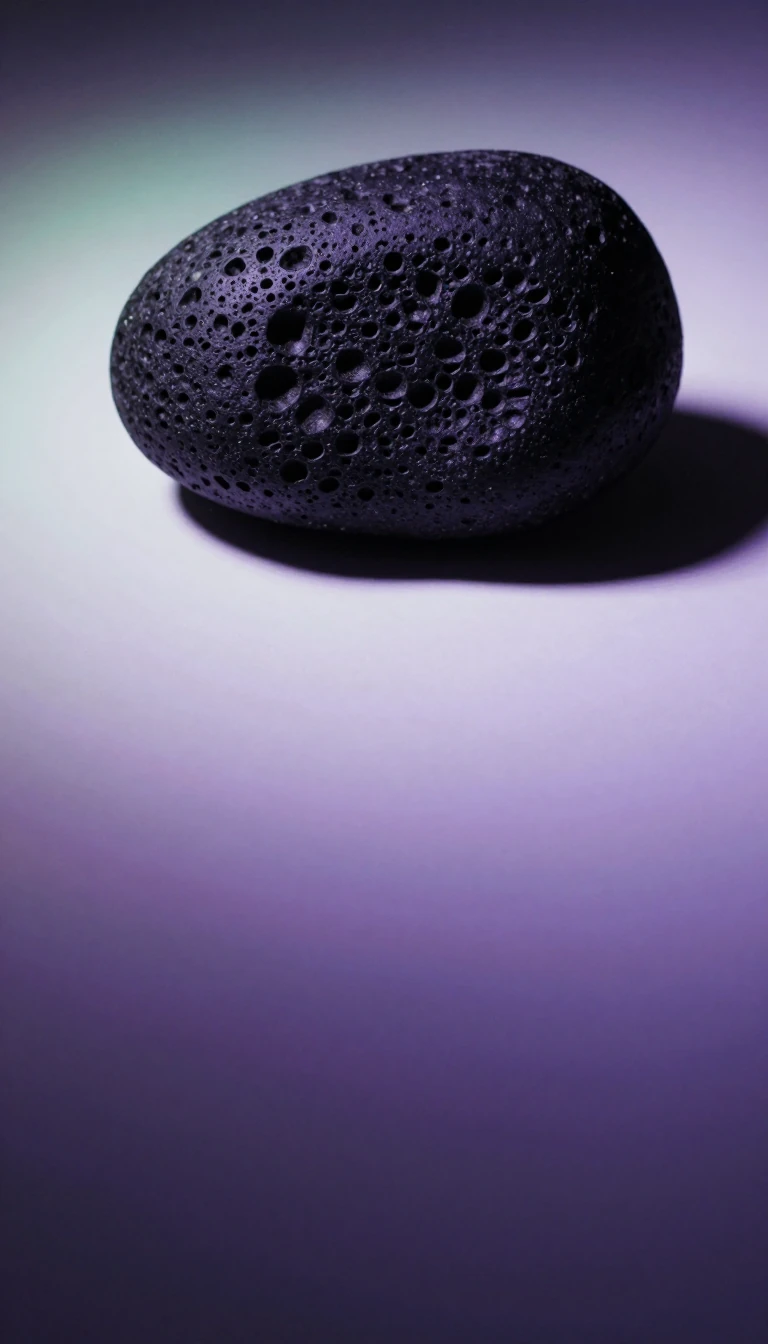
In short: From the calcium in your bones to the shells of ancient mollusks, life has spent 550 million years perfecting the art of biomineralization. It is not just random crystallization; it is a highly controlled biological process that turns soft tissues into durable, multifunctional architectures.
Living beings create or keep non-organic minerals through biomineralisation, which frequently yields rigid structures. This phenomenon is nearly universal, appearing across all six taxonomic kingdoms of Earth's biosphere. While vertebrates typically utilize calcium phosphates and carbonates for bones and teeth, other life forms have evolved distinct mineral signatures: algae and diatoms produce silicates, while invertebrates often rely on carbonates. Some specialized bacteria even create minerals for functional purposes, such as magnetic sensors (Fe3O4) or iron storage in proteins like ferritin.
The precision of these biological systems is remarkable. In many cases, organisms use organic polymers like collagen and chitin as a scaffold to guide mineral growth from the nanometer to the macroscopic level. This creates biocomposites with specific mechanical properties, such as the compressive strength provided by the mineralization of collagen in vertebrate cartilage and bone. Research on ancient polyplacophoran mollusks, like the chiton, shows that certain protein domains involved in this organic matrix formation have remained conserved since the Cambrian period, highlighting a fundamental evolutionary blueprint for structural integrity.
Beyond structural support, biomineralization is being explored for high-tech applications. Scientists are investigating 'biotemplating' to create precise nanocrystals using de novo designed proteins. Furthermore, the process is being harnessed for environmental engineering; for instance, the bacterium Shewanella oneidensis MR-1 can be used to induce the formation of struvite while simultaneously removing heavy metals like cadmium from wastewater. By understanding how cells control crystal morphology and composition, researchers hope to replicate these complex architectures for advanced materials engineering.
Opens the Intellect+ feed with this card first. Swipe up for the next one.
Sources
- Summary by Intellect · source: Biomineralization - Latest research and news | Nature
- Also: Biomineralization
- Also: Proteomic Analysis of Biomineralization Proteins in the Shell Plates and Spicules of Chiton <i>Acanthochitona rubrolineata</i>.
- Also: Bacterially induced synthesis of low-Cd struvite coupled with Cd<sup>2+</sup> biosorption under high cadmium stress.
To cite this card, link to https://intellectplus.co.uk/app/health-biomineralization.
How we source, check and correct cards: Editorial standards.
General information, not professional advice. Spotted an error? Flag the card or see corrections and complaints.
Intellect Plus is a visual educational discovery platform for exploring fascinating facts and ideas. Brain Food, Not Brain Rot. What is Intellect Plus?
Related
More in Bones & muscles · More in Health · Latest · A–Z · All topics
