The ambitious railway vision that never reached the English Channel
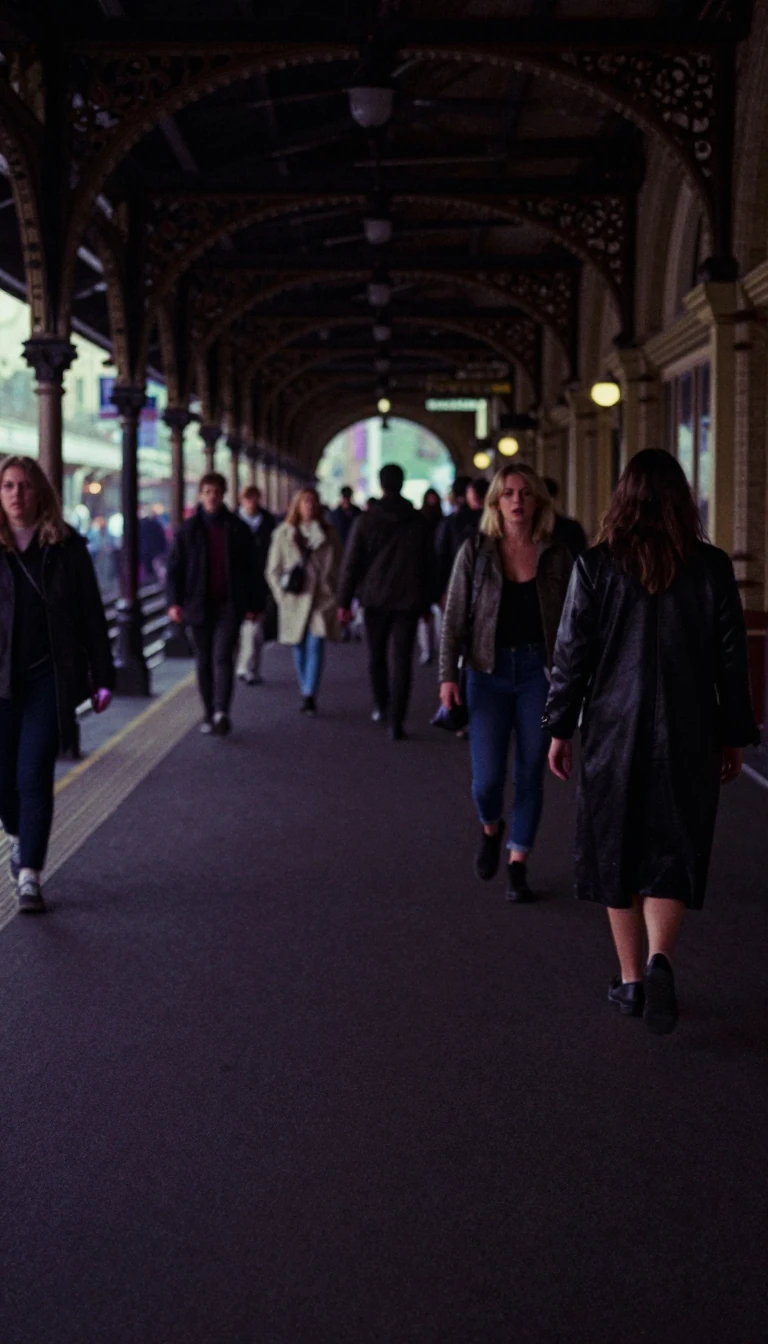
In short: In 1897, the Great Central Railway was born with a grander purpose than just connecting English cities. Its chairman, Sir Edward Watkin, envisioned a line that would eventually run through a channel tunnel, linking Britain directly to the European continent.
The Great Central Railway (GCR) was established in 1897 as the final steam mainline built in the United Kingdom. By 1899, 'The London Extension' was officially operational, facilitating more direct passenger and freight travel between London and major hubs like Nottingham, Leicester, Sheffield, and Manchester. However, the grander vision of a cross-channel link to France remained unfulfilled, as the line eventually fell victim to the 1963 Beeching report. This ambitious construction scheme was originally spearheaded by chairman Sir Edward Watkin. The network was designed to provide more efficient transit between the capital and cities including Sheffield and Manchester.
The Beeching Axe led to significant cutbacks, and much of the line ceased functioning as a through route by 1966. In response, local groups formed the Main Line Preservation Group (MLPG) in the late 1960s to save the tracks. Through a series of negotiations and acquisitions, the group secured the railway, purchasing much of the line for £75,000 in 1971—a sum equivalent to approximately £948,000 in 2025. The preservation efforts were driven by the Main Line Preservation Group, which established its headquarters at Loughborough Central in 1970. This group eventually transitioned into the Main Line Steam Trust to support the company's ongoing needs.
Today, the GCR operates as a heritage railway spanning 8 miles (13 km) between Loughborough and Leicester [S1:po]. It features stations restored to different eras, such as the 1950s at Loughborough Central and the Edwardian era at Rothley. A major ongoing effort, known as 'Bridging the Gap,' seeks to reunite the GCR with the Great Central Railway (Nottingham) to create a continuous 18-mile track. The railway's capacity is enhanced by a double-track section between Loughborough and Rothley, which opened in June 2000. This infrastructure allows for higher operational capacity, particularly during large-scale gala events.
Opens the Intellect+ feed with this card first. Swipe up for the next one.
Sources
- Summary by Intellect · source: Great Central Railway (heritage railway)
To cite this card, link to https://intellectplus.co.uk/app/health-great-central-railway-heritage-railway.
How we source, check and correct cards: Editorial standards.
General information, not professional advice. Spotted an error? Flag the card or see corrections and complaints.
Intellect Plus is a visual educational discovery platform for exploring fascinating facts and ideas. Brain Food, Not Brain Rot. What is Intellect Plus?
Related
More in History · Latest · A–Z · All topics
