The Architecture of Survival: Navigating a 13th-Century Fortress
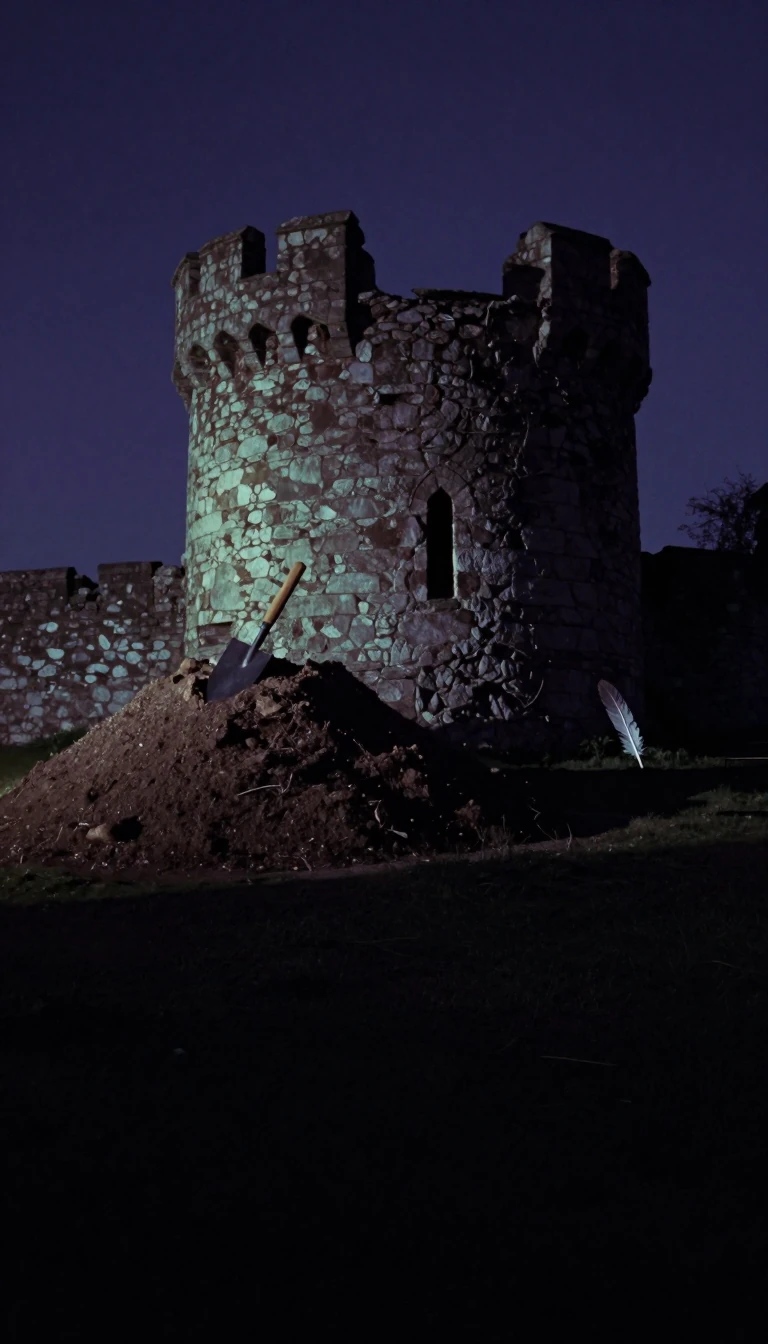
In short: Harlech Castle was designed to be impenetrable, a masterpiece of late 13th-century military engineering. Today, its preservation requires a delicate balance between honoring its violent history and ensuring the safety of modern visitors navigating its jagged, historic terrain.
Harlech Castle, built by Edward I between 1282 and 1289, is a premier example of concentric military architecture. Its strategic location on a rocky crag overlooking the Irish Sea was intended to project power and withstand prolonged sieges. The fortress was so significant that it was eventually designated a UNESCO World Heritage Site, recognized as one of the finest examples of its kind in Europe.
The physical experience of the castle today highlights the challenges of maintaining such a site. Visitors must navigate a 'Level 3' moderate terrain, which includes uneven historic steps, gravel paths, and cobbles. These surfaces can be particularly challenging for mobility scooters. To manage the risks of the site, such as falling masonry or high winds, the castle employs extensive monitoring and designated one-way systems for its wall walks.
Safety at the site is also managed through environmental controls. While the castle hosts various wild plants and flowers that support pollinators, these species can be poisonous to both humans and animals, requiring visitors to avoid contact. Furthermore, the castle's layout includes specific hazards like a dry moat and low-profile walls, which are managed through a combination of physical boundaries and wild overgrowth used as a deterrent.
The castle's history is marked by significant military transitions. It withstood the siege of Madog ap Llywelyn (1294–1295) and fell to Prince Owain Glyndŵr in 1404, before being recaptured in 1409. It remained a key fortification until 1647, when it was the final stronghold to surrender to Parliamentary armies during the English Civil War.
Opens the Intellect+ feed with this card first. Swipe up for the next one.
Sources
- Summary by Intellect · source: Castell Harlech | Cadw
- Also: Harlech Castle
To cite this card, link to https://intellectplus.co.uk/app/health-harlech-castle.
How we source, check and correct cards: Editorial standards.
General information, not professional advice. Spotted an error? Flag the card or see corrections and complaints.
Intellect Plus is a visual educational discovery platform for exploring fascinating facts and ideas. Brain Food, Not Brain Rot. What is Intellect Plus?
Related
More in History · Latest · A–Z · All topics
