When your immune system turns against you: The mystery of HLH
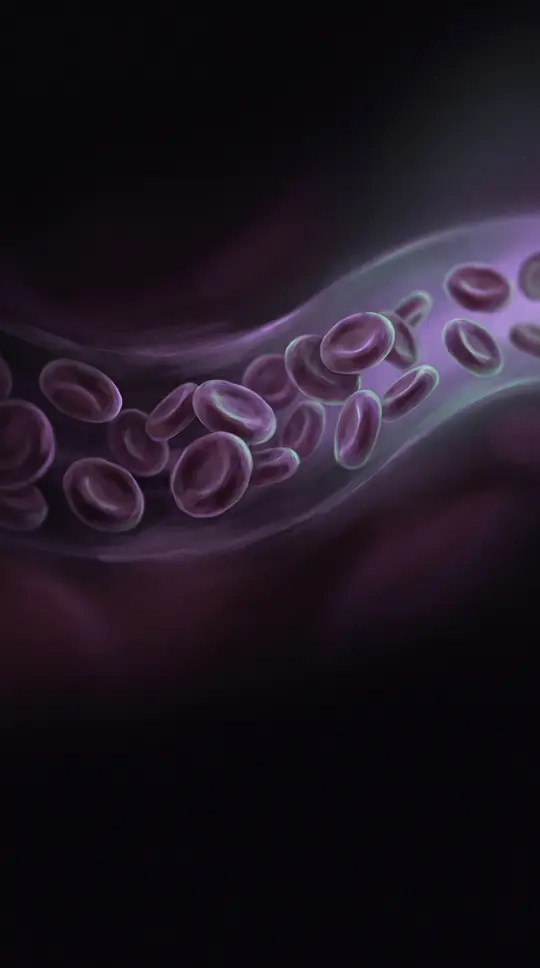
In short: Hemophagocytic lymphohistiocytosis is a life-threatening condition where an overactive immune system attacks the body instead of foreign invaders. These abnormal white blood cells accumulate in the liver and spleen, causing organ enlargement and systemic failure. Often misdiagnosed as sepsis, this rare disorder demands urgent medical attention and precise diagnostic testing.
Hemophagocytic lymphohistiocytosis (HLH) is a severe, hyperinflammatory syndrome characterized by the uncontrolled proliferation of lymphocytes and histiocytes. These cells, which should protect the body, instead secrete high levels of inflammatory cytokines and attack healthy tissues. The disease is categorized into two forms: primary (familial) and secondary (acquired). Primary HLH is typically inherited in an autosomal recessive pattern, often appearing in infants and young children due to genetic mutations in genes like PRF1, UNC13D, and STX11. These mutations impair the ability of cytotoxic T cells and natural killer cells to eliminate infected or abnormal cells.
Secondary HLH is an acquired condition that can affect adults and children alike, often triggered by external factors such as viral infections—most notably the Epstein-Barr virus—cancer, or autoimmune disorders. Recently, researchers have identified an increase in HLH cases associated with immune checkpoint inhibitors (ICIs), a class of cancer therapy. A systematic review of 96 patients treated with ICIs found that HLH occurred after a median of two treatment cycles. Symptoms across all forms of HLH are notoriously non-specific, frequently mimicking sepsis, which often leads to diagnostic delays.
Clinical diagnosis relies on a combination of physical findings and laboratory markers. Common indicators include prolonged fever, hepatosplenomegaly, and cytopenias. Laboratory tests typically reveal markedly elevated ferritin, high triglycerides, and low fibrinogen. Because the condition is life-threatening, treatment must be aggressive. For familial cases, stem cell transplantation is often the only curative option. Acquired cases may resolve if the underlying trigger is identified and managed, though mortality remains significant. Early recognition is critical, as the disease can rapidly progress to seizures, organ failure, or coma if left untreated.
Opens the Intellect+ feed with this card first. Swipe up for the next one.
Sources
- Summary by Intellect · source: Hemophagocytic Lymphohistiocystosis
- Also: Hemophagocytic Lymphohistiocytosis: Symptoms, Causes & Outlook
- Also: Immune Checkpoint Inhibitor-Associated Hemophagocytic Lymphohistiocytosis: A Systematic Review.
- Also: Hemophagocytic lymphohistiocytosis
To cite this card, link to https://intellectplus.co.uk/app/health-hemophagocytic-lymphohistiocytosis.
How we source, check and correct cards: Editorial standards.
General information, not professional advice. Spotted an error? Flag the card or see corrections and complaints.
Intellect Plus is a visual educational discovery platform for exploring fascinating facts and ideas. Brain Food, Not Brain Rot. What is Intellect Plus?
Related
More in Anatomy and morphology · More in Health · Latest · A–Z · All topics
