Your immune system uses a unique molecular ID card to distinguish self from invader.
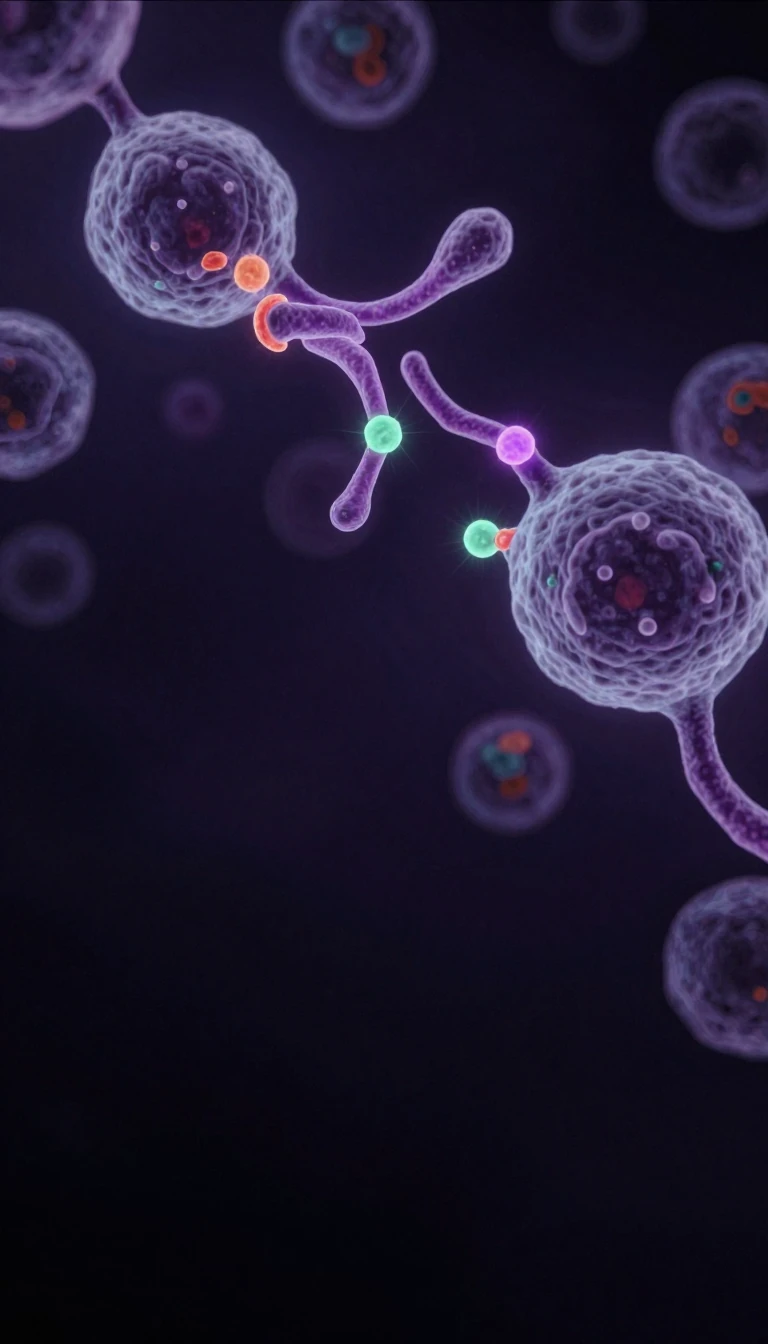
In short: The Human Leukocyte Antigen system is a complex of over 200 genes that act as the body's primary defense gatekeeper. By displaying protein fragments on the surface of your cells, these molecules allow your immune system to identify and destroy threats, while simultaneously preventing it from attacking your own tissues.
The Human Leukocyte Antigen (HLA) system, located on chromosome 6, is the human version of the major histocompatibility complex (MHC). It functions as a critical regulator of adaptive immunity by presenting antigens—small protein fragments—to T lymphocytes. These HLA molecules are highly polymorphic, meaning they exist in many different versions across the human population. This genetic diversity is an evolutionary advantage, as it ensures that different individuals have varying capacities to recognize and respond to a wide range of infectious pathogens.
HLA molecules are categorized into three main classes. Class I molecules (HLA-A, HLA-B, and HLA-C) are found on nearly all nucleated cells and present internal peptides, such as those from viruses, to cytotoxic T cells for destruction. Class II molecules (HLA-DP, HLA-DQ, and HLA-DR) primarily display peptides from extracellular pathogens to helper T cells, which then coordinate the production of antibodies. Class III molecules are involved in the complement system, a group of proteins that help eradicate invaders.
Because HLA molecules are unique to each individual, they serve as a biological 'self' marker. The immune system uses these markers to differentiate between the body's own cells and foreign invaders. This same uniqueness makes HLA matching a fundamental challenge in organ transplantation, as the immune system may reject tissues that display unfamiliar HLA types. Beyond defense, researchers are exploring how specific HLA variants influence susceptibility to diseases like tuberculosis, HIV, and COVID-19, potentially opening new doors for personalized medical treatments.
The complexity of the HLA system is immense, spanning approximately 4,000 kilobases of DNA. Because of the vast number of alleles and the way they are inherited, the probability of two unrelated individuals possessing identical HLA molecules at all loci is extremely low. This diversity is essential for population-level survival, ensuring that at least some individuals can effectively detect and fight off emerging infectious threats.
Opens the Intellect+ feed with this card first. Swipe up for the next one.
Sources
- Summary by Intellect · source: Human leukocyte antigen (HLA) | Major Histocompatibility Complex, Adaptive Immunity, & Tissue Typing | Britannica
- Also: Human Leukocyte Antigen (HLA) System: Genetics and Association with Bacterial and Viral Infections
- Also: Human leukocyte antigen
To cite this card, link to https://intellectplus.co.uk/app/science-human-leukocyte-antigen.
How we source, check and correct cards: Editorial standards.
General information, not professional advice. Spotted an error? Flag the card or see corrections and complaints.
Intellect Plus is a visual educational discovery platform for exploring fascinating facts and ideas. Brain Food, Not Brain Rot. What is Intellect Plus?
Related
More in Human body & genes · More in Science · Latest · A–Z · All topics
