The human body is a complex, ancient machine built from repeated segmental patterns.
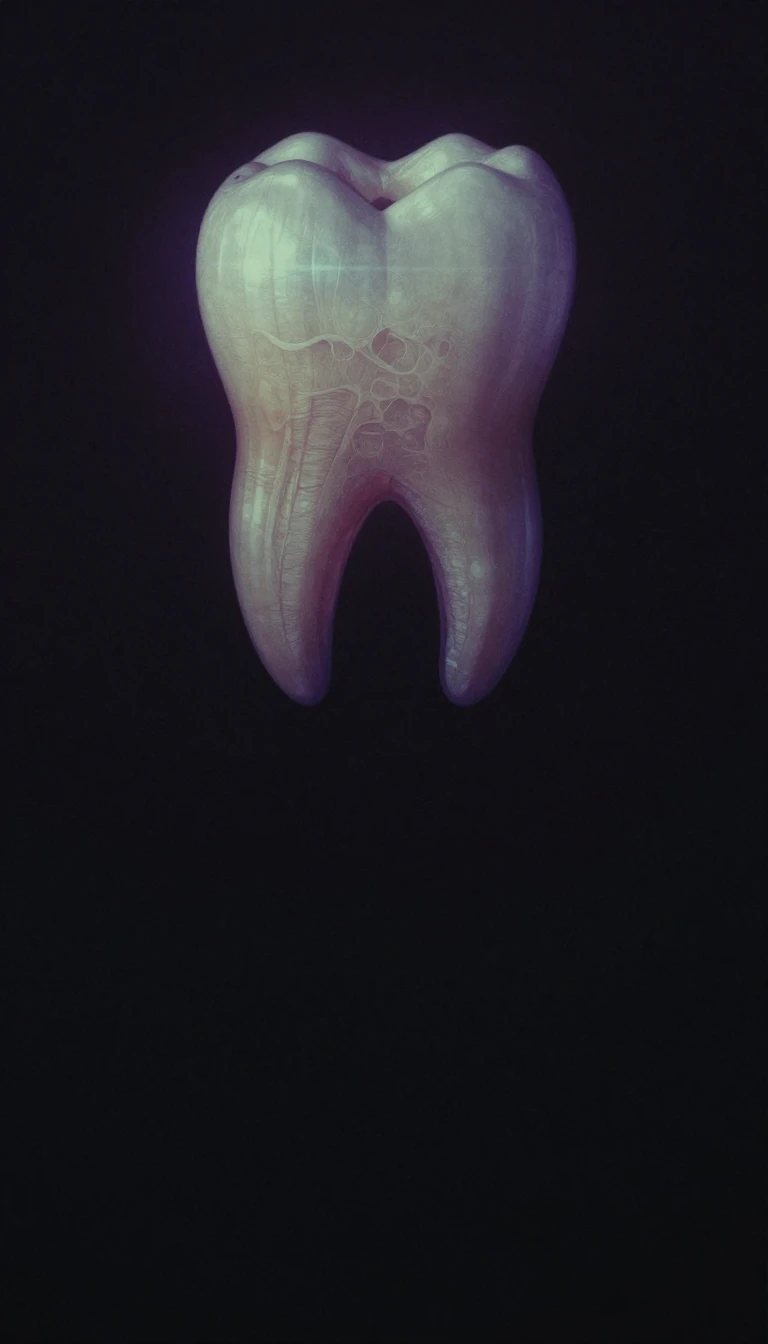
In short: Beneath the skin lies a sophisticated architecture of systems, organs, and tissues. While we share a vertebrate blueprint with other animals, our unique bipedal posture and highly developed neocortex set us apart. Understanding this intricate biological machinery is the foundation for every medical professional and artist alike.
Human anatomy is the scientific study of the body's morphology, organized into levels ranging from microscopic cells to macroscopic organs. This structure is not random; it reflects an ancient evolutionary heritage. Like all vertebrates, humans maintain a segmental pattern, most clearly visible in the vertebral column and ribcage. During embryonic development, humans even exhibit features common to all chordates, such as a notochord and pharyngeal gill slits, though these are eventually replaced or lost as the body matures.
The body functions through a series of integrated systems, including the musculoskeletal, nervous, circulatory, and endocrine systems. Chemically, we are about 60 percent water by weight, which acts as a vital solvent for life's processes. The remaining structure is built from organic compounds—lipids, proteins, carbohydrates, and nucleic acids—alongside essential minerals like calcium and phosphorus. These components are organized into tissues that form the organs responsible for everything from breathing and digestion to information processing.
Modern medical education has evolved significantly, moving from traditional dissection of cadavers to technologically advanced techniques. While dissection remains a cornerstone for training surgeons and diagnostic specialists, educators are increasingly adopting innovative methodologies. Recent studies indicate that integrating gamification into anatomy curricula can significantly improve student performance, offering a versatile way to maintain engagement as teaching hours in medical schools have faced reductions in recent decades.
Beyond medicine, anatomy is essential to the visual arts. Artists study the function of muscles and bones to accurately depict movement and form, a practice famously advanced by Leonardo da Vinci. Whether viewed through the lens of a microscope or the stroke of a paintbrush, the human body remains a subject of profound complexity, governed by a genetic master code that dictates our inherited characteristics and physical potential.
Opens the Intellect+ feed with this card first. Swipe up for the next one.
Sources
- Summary by Intellect · source: Human anatomy
- Also: www.britannica.com — Human body | Organs, Systems, Structure, Diagram, & Facts | Britannica
- Also: The influence of gamification on the teaching assessment of human anatomy.
To cite this card, link to https://intellectplus.co.uk/app/health-human-anatomy.
How we source, check and correct cards: Editorial standards.
General information, not professional advice. Spotted an error? Flag the card or see corrections and complaints.
Intellect Plus is a visual educational discovery platform for exploring fascinating facts and ideas. Brain Food, Not Brain Rot. What is Intellect Plus?
Related
More in Medical basics · More in Health · Latest · A–Z · All topics
