Your body is a collection of fluid-filled compartments designed to protect your internal organs.
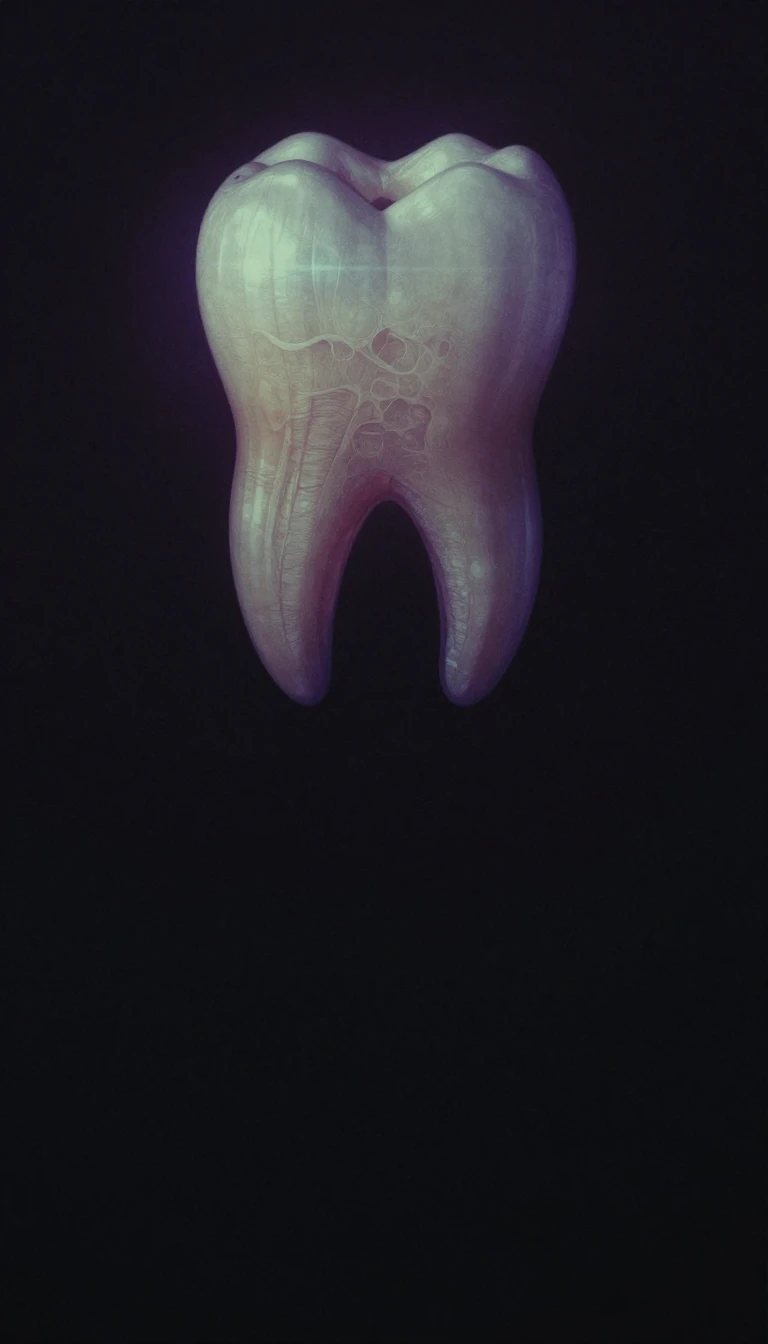
In short: Human anatomy is organized into distinct, fluid-filled spaces called body cavities. These compartments do more than just house your organs; they provide the necessary room for your heart to beat, your lungs to expand, and your digestive system to function without disrupting the delicate tissues surrounding them.
At the highest level, the human body is divided into two primary regions: the dorsal and ventral cavities. The dorsal cavity is a continuous, protected space housing the central nervous system, specifically the brain within the cranial cavity and the spinal cord within the narrow, thread-like spinal cavity. These structures are cushioned by cerebrospinal fluid, which helps shield them from impact within their bony enclosures.
The ventral cavity is more complex, containing the thoracic and abdominopelvic cavities separated by the diaphragm. The thoracic cavity, protected by the ribcage, holds the lungs and heart in their own specialized compartments, the pleural and pericardial cavities. Below, the abdominopelvic cavity serves as the body's largest space, housing the digestive tract, kidneys, and reproductive organs. Unlike the dorsal cavity, the ventral cavity is designed to allow for significant changes in organ size and shape during normal physiological activity.
These cavities are not merely empty voids; they are lined by specialized membranes, such as the peritoneum in the abdomen. During embryonic development, these spaces form through a process called cavitation, where the lateral plate mesoderm splits to create a primitive body cavity. If this development is interrupted—such as a failure of the ventral body wall to close—it can lead to severe congenital conditions like ectopia cordis, where the heart develops outside the thorax, or gastroschisis, where abdominal contents protrude through the wall.
The existence of these cavities is a defining feature of complex animal life. By isolating organs within fluid-filled, membrane-lined compartments, organisms gain the ability to grow and move internal structures independently of the body wall. This structural organization is essential for maintaining internal stability, providing a pathway for nerves and vessels, and ensuring that vital organs remain protected while performing their life-sustaining functions.
Opens the Intellect+ feed with this card first. Swipe up for the next one.
Sources
- Summary by Intellect · source: Body cavity
- Also: Body cavity | anatomy | Britannica
To cite this card, link to https://intellectplus.co.uk/app/health-body-cavity.
How we source, check and correct cards: Editorial standards.
General information, not professional advice. Spotted an error? Flag the card or see corrections and complaints.
Intellect Plus is a visual educational discovery platform for exploring fascinating facts and ideas. Brain Food, Not Brain Rot. What is Intellect Plus?
Related
More in Anatomy and morphology · More in Health · Latest · A–Z · All topics
