Mephedrone: The synthetic stimulant that surged from obscure academic curiosity to global street drug.
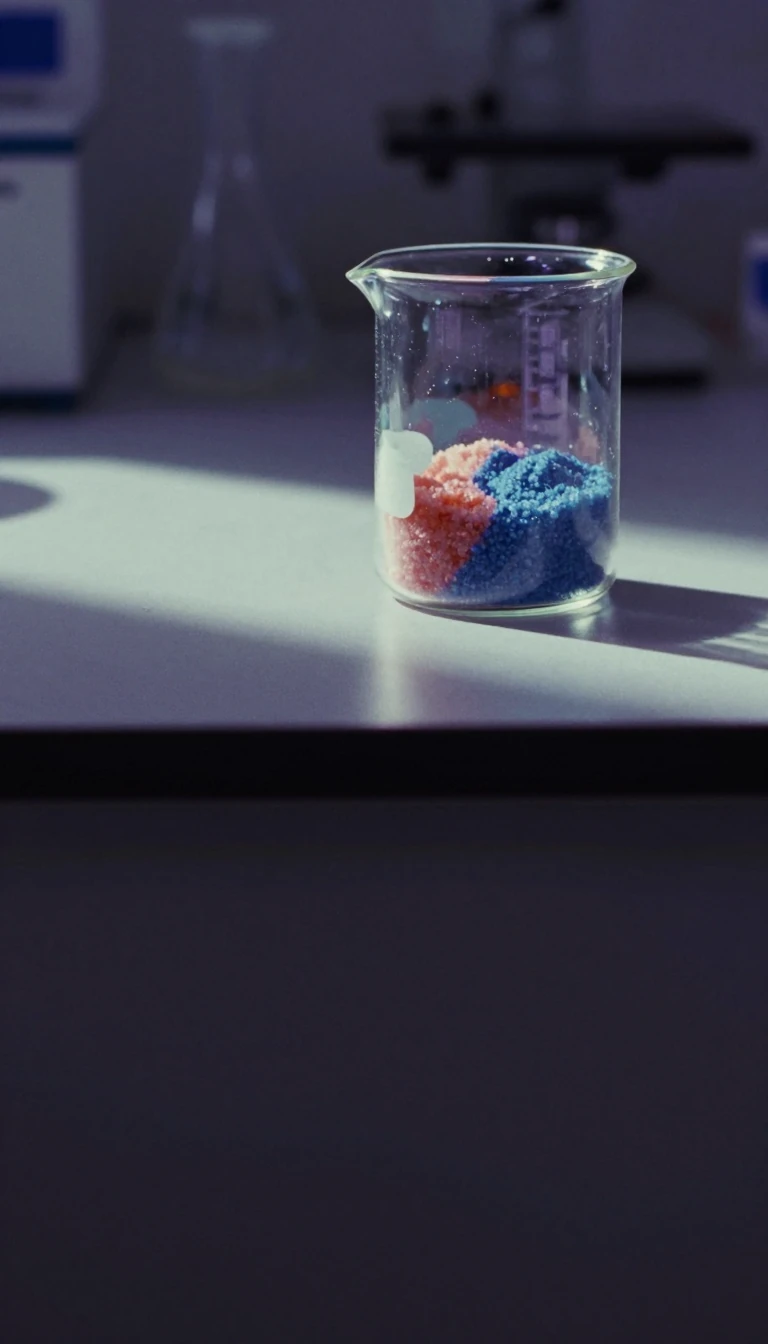
In short: First synthesized in 1929, mephedrone remained a scientific footnote for decades until an underground chemist rediscovered it in 2003. Marketed as a legal high, this synthetic cathinone rapidly spread across Europe and beyond, mimicking the effects of MDMA and cocaine while sparking intense debates about its safety and toxicity.
Mephedrone, or 4-methylmethcathinone, is a synthetic stimulant chemically related to the khat plant. Its modern rise began in 2003 when an anonymous chemist on the website The Hive publicized its effects, comparing the experience to ecstasy. By 2007, it had entered the commercial market, and by 2010, it was detected in all 22 European Union member states that reported to Europol. Its popularity was fueled by its status as a legal, inexpensive alternative to traditional stimulants, though this legality did not equate to safety in the eyes of users.
The drug acts as a potent substrate for monoamine transporters, promoting the release of dopamine, serotonin, and norepinephrine. Pharmacologically, it is often compared to MDMA and methamphetamine, though it distinguishes itself by having a more pronounced effect on serotonin release compared to dopamine. Users typically consume it as a crystal or powder, snorting, swallowing, or injecting it to achieve euphoria, increased sociability, and an enhanced appreciation for music. Because its effects are short-lived, with a plasma half-life of about two hours, users often engage in repeated dosing.
The medical and toxicological profile of mephedrone remains a subject of ongoing research. Reported side effects range from anxiety and cardiovascular changes to more severe reactions like seizures and serotonin syndrome. While some animal studies suggest it may be less neurotoxic than MDMA, other research indicates it can alter the surface charge density of human blood cells. Fatalities linked to the drug have been heavily scrutinized; in 2010, while 52 UK deaths were alleged to involve mephedrone, coroners confirmed it as the direct cause in only a small fraction of those cases. Today, the substance is widely classified as illegal, with permanent bans in the United States and across the European Union.
The social environment plays a complex role in the drug's effects. Recent research in rats indicates that mephedrone-induced social reward is shaped by oxytocin and vasopressin systems, with the drug causing central receptor adaptations in the brain. As regulatory bodies continue to monitor its use, the story of mephedrone serves as a case study in how synthetic substances can rapidly bypass traditional drug markets and challenge existing public health frameworks.
Opens the Intellect+ feed with this card first. Swipe up for the next one.
Sources
- Summary by Intellect · source: Mephedrone
- Also: The Effect of Selected Cathinones on Natural Cell Membranes: Microelectrophoretic Methods.
To cite this card, link to https://intellectplus.co.uk/app/health-mephedrone.
How we source, check and correct cards: Editorial standards.
General information, not professional advice. Spotted an error? Flag the card or see corrections and complaints.
Intellect Plus is a visual educational discovery platform for exploring fascinating facts and ideas. Brain Food, Not Brain Rot. What is Intellect Plus?
Related
More in Health, medicine and disease · More in Health · Latest · A–Z · All topics
