The search for a single definition of consciousness remains elusive
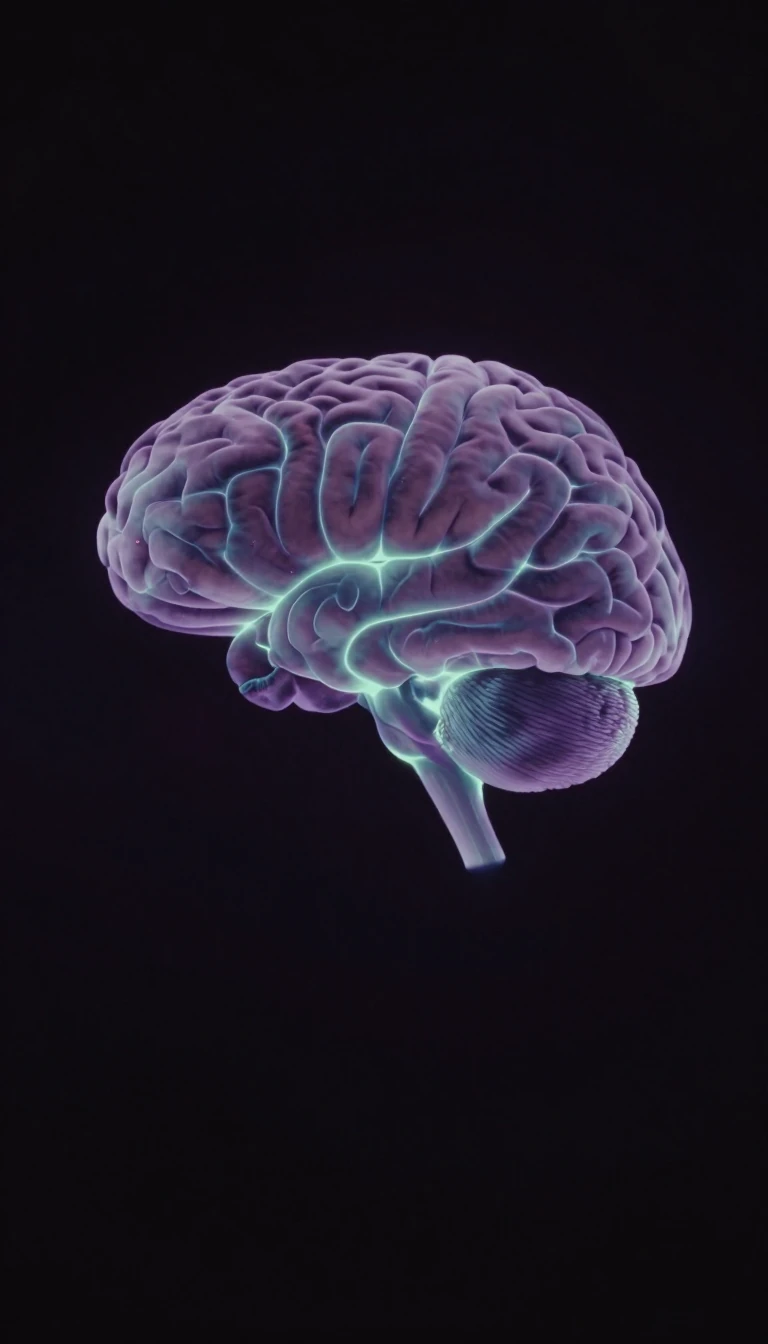
In short: Is consciousness a biological byproduct, an electromagnetic field, or a computational process? Because no universal definition exists, researchers are currently debating 29 distinct theories to explain how subjective experience emerges from physical matter. This vast landscape of viewpoints makes it difficult for scientists to synthesize recent perspectives on the mind.
The sheer volume of research into human consciousness has created a fragmented landscape of viewpoints. A scoping review of literature published between 2007 and 2017 identified 29 distinct theories, highlighting that the very definition of 'consciousness' is often considered an endpoint of a theory rather than a starting point. For instance, some frameworks define it as the ability to maintain alert attention and self-awareness, while others focus on the subjective character of mental states.
Neurobiologically, researchers are searching for the Neural Correlates of Consciousness (NCC)—the minimum neuronal mechanisms sufficient for any specific conscious percept. While sub-cortical structures like the thalamus and hippocampus are frequently cited, cortical areas such as the cingulate and prefrontal regions are also heavily reported. Some models suggest consciousness is a state-dependent property of complex biological systems, while others propose it arises from quantum processes inside neurons via molecular structures called microtubules.
The lack of a unified definition creates significant hurdles for clinical practice and artificial intelligence. Clinicians need objective ways to quantify conscious levels in patients with severe brain injuries beyond simple behavioral responses. Similarly, as large language models (LLMs) begin to function as 'consciousness attributors'—generating judgments on whether other entities are aware—understanding the underlying rules of these attributions becomes vital for shaping how we interpret machine intelligence.
Modern advancements in neurophysiological techniques and magnetic stimulations allow scientists to test these hypotheses by modulating brain activity online. However, because consciousness could be generated by processes ranging from a single neuron to the entire brain, the number of potential NCCs remains vast and contested.
Opens the Intellect+ feed with this card first. Swipe up for the next one.
Sources
- Summary by Intellect · source: Theoretical Models of Consciousness: A Scoping Review
- Also: Models of consciousness
To cite this card, link to https://intellectplus.co.uk/app/health-models-of-consciousness.
How we source, check and correct cards: Editorial standards.
General information, not professional advice. Spotted an error? Flag the card or see corrections and complaints.
Intellect Plus is a visual educational discovery platform for exploring fascinating facts and ideas. Brain Food, Not Brain Rot. What is Intellect Plus?
Related
More in Mind · More in Health · Latest · A–Z · All topics
